NHS Joint Replacement Surgeries Face Widespread Disruption Due to Bone Cement Shortage
A critical shortage of vital bone cement is threatening to cancel or delay thousands of NHS joint replacement operations across the United Kingdom. The crisis stems from a packaging fault at a key supplier, Heraeus Medical, which has temporarily halted production at its main site, impacting product availability for at least two months.
Supply Chain Warning and Impact on Patients
In a statement released last night, the NHS supply chain department alerted clinical and orthopaedic leads nationwide about the manufacturing delays. The notice explained that Heraeus Medical reported a packaging issue affecting 15 of its bone cement products, including standard fixation cements used in hip and knee replacements, as well as antibiotic-laden variants for high-risk or revision surgeries.
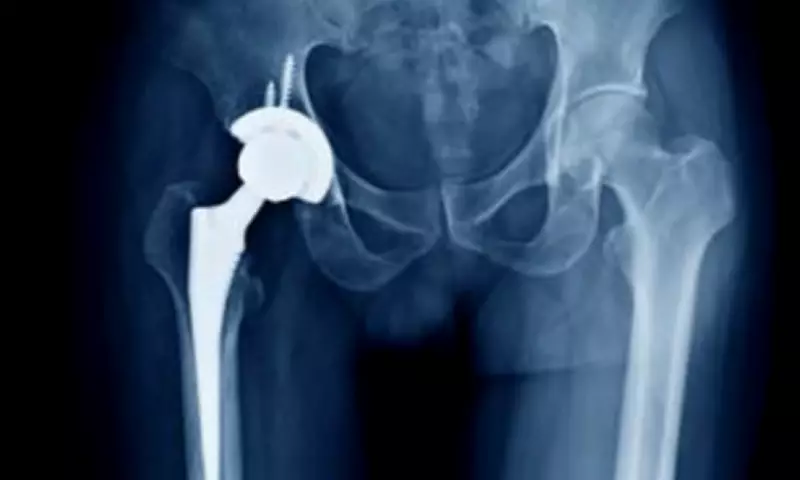
Bone cement acts as a strong grout, filling the space between metal implants and patient bone to create a stable bond. With an estimated 110,000 hip replacement surgeries performed in 2023/24, and 120,000 hip and 96,000 knee procedures recorded that year, the two-month hold-up could affect thousands of patients. Many have already endured lengthy waits, with parliamentary data from February 2025 showing 31,323 patients waiting for hip replacements (median wait 24.7 weeks) and 49,500 for knee replacements (average wait 28.7 weeks).

NHS Response and Alternative Measures
The NHS is taking the issue seriously, establishing an incident team and working closely with Heraeus Medical and alternative suppliers. A supply chain notice stated: 'We are assessing the potential supply impact and will provide further updates as more information becomes available. We are coordinating with the Department of Health and Social Care and NHS England to manage the situation nationally.'
Heraeus Medical UK Ltd holds a contract worth between £1.8 billion to £2 billion over four years under the NHS Total Orthopaedic Solutions 3 framework. The company reassured that products already in the market are unaffected, attributing the shortage to a critical machine failure during a production improvement project.
Patient Concerns and Advocacy
Deborah Alsina, Chief Executive of Arthritis UK, expressed deep concern: 'This is a crushing blow for those individuals who have finally made it to the front of the orthopaedic surgery queue after a long time waiting. We trust the Department for Health and Social Care will work hard to address the supply issues given the impact on those waiting in pain whose lives are left on hold.'
She urged hospitals to communicate quickly with affected patients to avoid additional worry and highlighted the support available through Arthritis UK's helpline and online community. The delays come as waiting times for routine treatments hit record highs, with over 7.37 million treatments—relating to 6.23 million patients—in the queue, including more than 190,000 people waiting at least a year.
Clinical Implications and Safety Assurances
The affected products include cements used for standard joint fixation and those with antibiotics for infection management in revision surgeries. In revision procedures, cement can help maintain joint space and deliver high local antibiotic doses before a new implant is inserted. The NHS has issued immediate guidance to hospitals to ensure trauma and urgent care continue safely, enable use of alternative suppliers, and support prioritisation of orthopaedic waiting lists based on patient needs.
An NHS spokesperson told the Daily Mail: 'Any stock already in hospitals is unaffected, and the NHS is working closely with government and leading professional bodies to ensure safe and effective care can be provided while supply is resolved, and to reduce delays for patients requiring less urgent care as far as possible.'
This supply crisis underscores the ongoing challenges in NHS orthopaedic care, with stakeholders calling for swift action to mitigate impacts on vulnerable patients and strained waiting lists.