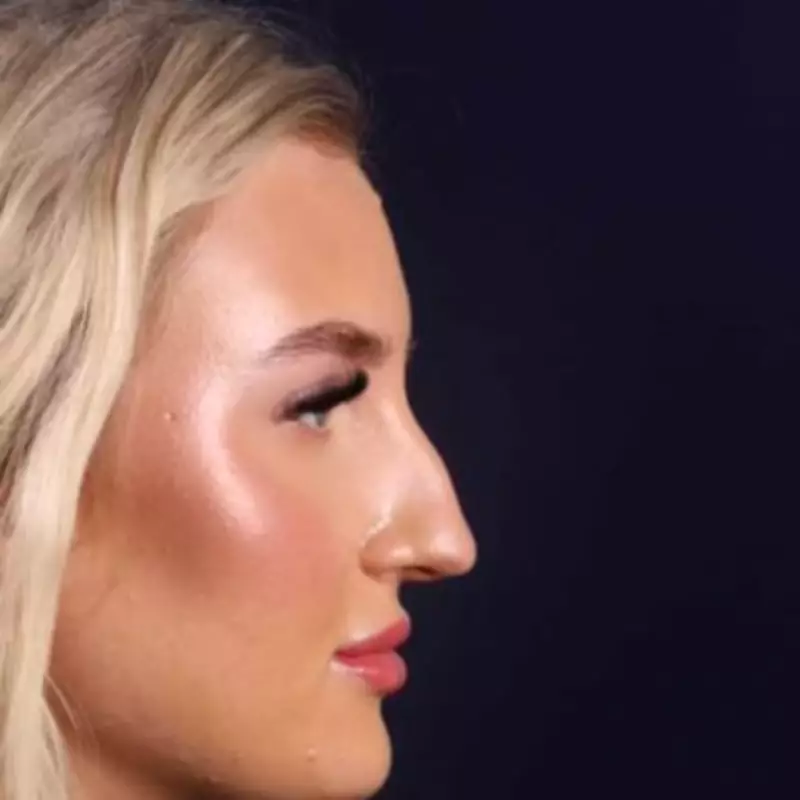
A young woman from London, left with a significant hole in her nose due to prolonged use of decongestant spray, underwent life-changing surgery in Turkey after being repeatedly turned away by medical professionals in the United Kingdom. Annie-Mae Dawes, a 24-year-old make-up artist and beauty therapist, struggled with severe breathing difficulties for over a decade, an issue that became her deepest insecurity from the age of twelve.
Years of Misdiagnosis and Frustration
Annie-Mae's respiratory problems were consistently dismissed by UK doctors, who attributed her symptoms to a possible childhood nose break without identifying any treatable conditions. Despite this, she remained resolute in her belief that surgical intervention was necessary to alleviate her blocked airways. "I was told multiple times I did not have a deviated septum, when in the end it turns out that it was blocking 60% of my airways," she revealed, highlighting the critical misdiagnosis that prolonged her suffering.
Turning to International Medical Solutions
Frustrated by the lack of support domestically, Annie-Mae conducted extensive independent research, ultimately discovering specialised surgeons in Turkey capable of addressing her complex nasal issues. At twenty-three years old, she travelled abroad for a combined septoplasty, rhinoplasty, and perforation repair procedure, investing £3,555 in the transformative operation.

During the surgery, her Turkish surgeon uncovered a 1cm perforation in her septum directly caused by excessive decongestant spray usage, which he promptly repaired. The procedure also involved removing a dorsal hump to create a smoother profile, lifting and refining the nasal tip, and using cartilage grafts from her deviated septum to significantly improve airflow.
Aesthetic and Functional Transformation
Annie-Mae decided to alter her nose's appearance during the surgery, believing its original shape did not harmonise with her facial features. She acknowledges the complex relationship many have with cosmetic procedures, stating, "I do believe that we should all love ourselves exactly the way we are, but equally life is short and if something is getting us down that we can’t shake then why not change it?"
Her decision has yielded profound improvements in both aesthetics and health. "Being able to breathe is the best part it has changed my quality of life to the extreme – I sleep better, I don’t snore, I don’t mouth breathe, I don’t have daily sinus pain or headaches anymore," she explained, emphasising how proper nasal function has alleviated chronic issues.
Overcoming Fears Through Diligent Preparation
Initially apprehensive about anaesthesia, having never undergone general sedation before, Annie-Mae mitigated her concerns through meticulous research into her chosen surgeon's credentials and methodology. "I trusted my decision, I went in super educated – and when I get something in my head there is no backing out," she noted, crediting her thorough preparation and supportive network for her confidence.
Nearly two years post-operation, she reports feeling "overjoyed" and "so happy" with the results, having adapted to her new appearance and experiencing unprecedented respiratory ease. The transformation has been so complete that she has "almost forgotten what it was like before," marking a stark contrast to her previous daily struggles.
Sharing Experience and Offering Guidance
Annie-Mae has documented her surgical journey extensively on social media platforms, receiving numerous inquiries from individuals considering similar procedures. While careful not to encourage surgery indiscriminately, she aims to provide support and companionship to those navigating the process, particularly during the challenging initial recovery phase.
She is currently developing a service to accompany women undergoing nasal surgery abroad, recognising the emotional and physical toll of facing such procedures alone. Her advice to prospective patients is candid and cautionary: "Don’t get it unless you absolutely hate all parts of your nose. Otherwise you’ll likely swap one small insecurity for another as there is no such thing as perfection."

She further recommends psychological preparation for potential identity adjustments, patience through the lengthy healing process—which can exceed a year for final results—and selecting a surgical destination with accessible follow-up care. "Have an ear, nose and throat medic back home on standby just in the rare case of any complications," she advised, underscoring the importance of safety in medical tourism decisions.