Breakthrough Implant Provides Relief for Sleep Apnea Sufferers
Researchers from the University of California San Diego have unveiled a groundbreaking medical device designed to combat obstructive sleep apnea (OSA), a debilitating condition affecting at least 30 million Americans. This innovative implant offers a new solution for patients who struggle with traditional breathing machines, promising improved sleep quality and reduced health risks.
Understanding Obstructive Sleep Apnea
Obstructive sleep apnea is a serious disorder where the soft palate and throat muscles relax excessively during sleep, repeatedly blocking the airway. This obstruction leads to loud snoring, sudden awakenings as individuals gasp for air, and chronic fatigue. Over time, the frequent breathing interruptions place immense strain on the cardiovascular system, elevating blood pressure, increasing blood sugar levels, and raising the risk of heart attacks, strokes, and diabetes.
How the New Implant Works
The device, known as proximal hypoglossal nerve stimulation (pHGNS), targets specific nerves in the tongue to maintain an open airway throughout the night. Unlike older implants, it does not require extensive pre-surgical mapping, making the procedure simpler and less invasive.

- Design: The implant is a small, rechargeable battery-powered unit, roughly the size of a pacemaker, surgically placed under the skin in the upper chest below the collarbone.
- Mechanism: A thin, flexible wire connects the chest generator to the hypoglossal nerve in the neck, ending in a multicontact electrode cuff that wraps around the nerve.
- Function: When activated before sleep, the cuff delivers mild electrical pulses, stimulating the tongue and airway muscles to contract and stiffen, thereby preventing airway collapse.
Clinical Trial Results
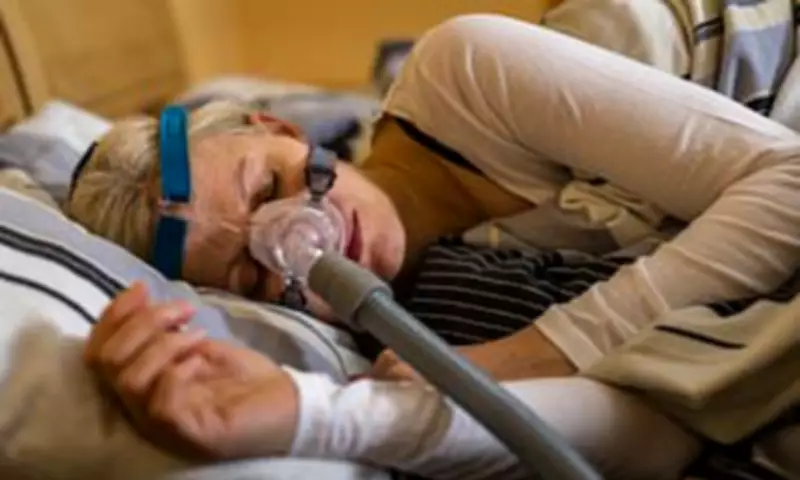
A recent study published in the Annals of Internal Medicine involved 104 adults with moderate OSA who could not tolerate continuous positive airway pressure (CPAP) therapy, the standard treatment involving a face mask and machine. Participants were randomly assigned to a treatment group, where devices were activated after one month, or a control group, where devices remained off for seven months.
- Breathing Interruptions: After seven months, 58.2% of patients in the treatment group achieved a significant reduction in breathing interruptions, compared to only 13.5% in the control group. The average events per night dropped from 34.3 to 11.6, shifting from severe to mild OSA.
- Oxygen Levels: Blood oxygen desaturation improved by at least 25% in 69% of treated patients, versus 38% in controls.
- Daytime Sleepiness: The treatment group's sleepiness scores decreased from 10 to six, moving from excessive to normal levels, while the control group showed no improvement.
After the initial phase, the control group's devices were activated, and by month 13, both groups demonstrated continued progress, though early-treated patients maintained an advantage. No serious complications were reported, with minor side effects like headache and temporary tongue discomfort affecting fewer than 3% of participants.
Implications and Future Research
This implant represents a promising alternative for OSA patients who find CPAP machines cumbersome or intolerable. Researchers emphasize that while the device is safe and effective, larger and longer-term studies are necessary to assess its impact on severe clinical outcomes, such as heart attack and stroke rates. As sleep apnea continues to pose significant public health challenges, innovations like pHGNS offer hope for enhanced quality of life and reduced long-term health risks.