Health Officials Issue Critical Warning Over Fake Mounjaro Weight Loss Injections
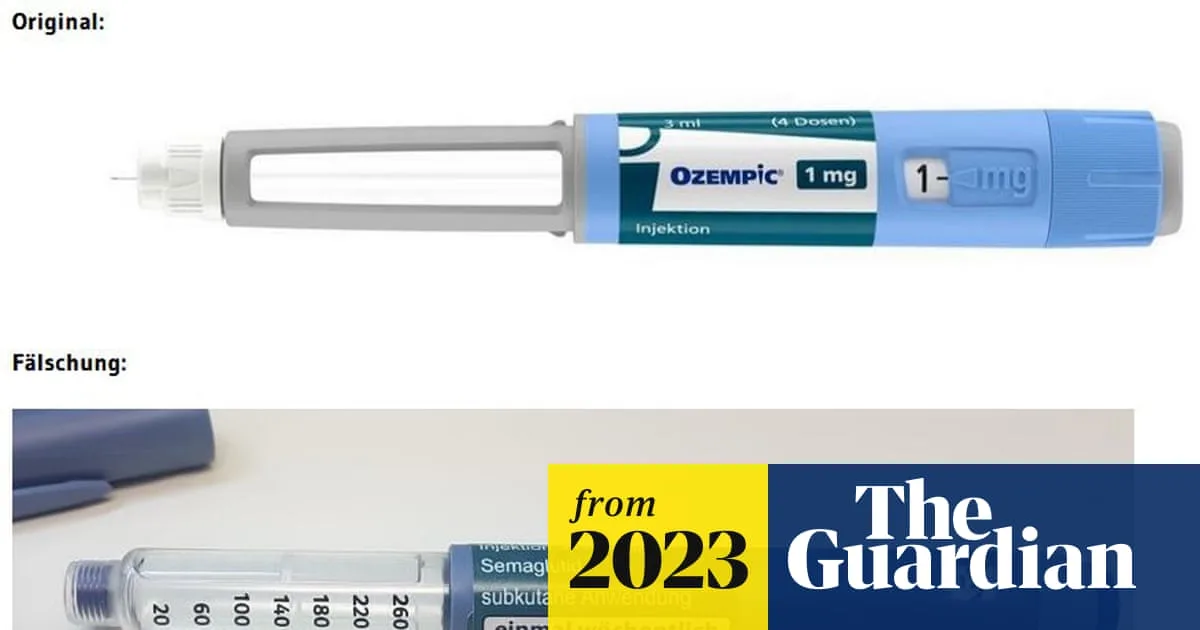
Health authorities have raised a serious alarm regarding counterfeit Mounjaro weight loss injections being sold through an online pharmacy. The Medicines and Healthcare Products Regulatory Agency (MHRA) has issued urgent guidance for individuals who have purchased 15mg KwikPens, advising them to verify the batch number and cease use immediately if it matches the affected lot.
Identifying the Counterfeit Batch
The MHRA specifically warns that pens with batch number D873576 are counterfeit and should not be used. Currently, this alert is believed to impact customers who obtained the medication from The Private Pharmacy Clinic, an online retailer based in Birmingham. Officials emphasize the importance of checking both the batch number and the strength of the KwikPen to ensure safety.
Sterility and Safety Concerns
Dr. Alison Cave, Chief Safety Officer at the MHRA, stated that laboratory testing confirmed the presence of tirzepatide, the active ingredient in Mounjaro, within the fake pens. However, significant concerns remain regarding sterility due to unknown manufacturing conditions. "Testing has confirmed that the identified fake pens do contain tirzepatide, the active substance in Mounjaro, but because the manufacturing conditions are unknown, we cannot confirm that the contents are sterile," Dr. Cave explained.
While the regulatory body assesses the risk as low for those who may have already used the medication, the injection method heightens worries. If the contents are not sterile or have been improperly stored, there is a potential risk of infection. Symptoms to watch for include redness, swelling, warmth at the injection site, pain, fluid leakage, mild fever, fatigue, and a sore throat.
Additional Health Risks and Allergic Reactions
Beyond infection risks, the counterfeit injections pose dangers of allergic reactions that could severely impact health or even lead to fatalities. Possible symptoms encompass rashes, itching, or breathing difficulties. In rare instances, users might experience anaphylaxis, a severe and rapid allergic reaction that can cause rapid organ failure, restrict oxygen to the brain, and result in brain damage or death. Anyone exhibiting such symptoms is urged to seek immediate medical attention.
Reporting and Regulatory Actions
Dr. Cave further advised: "If you suspect that you’ve had a side effect as a result of using these affected pens, or suspect it’s not a genuine product, or have a defective pen, you can report it to our MHRA Yellow Card scheme." She stressed that individuals should not attempt to extract medicine from a defective pen under any circumstances.
The issue came to light after faults were reported where parts of the pens detached during use. The MHRA was alerted by Eli Lilly, the manufacturer of the genuine product, which received five reports of faulty pens. To date, no cases requiring treatment have been reported to the MHRA from this batch.
Patients with 15mg pens bearing a different batch number or 7.5mg pens with the same batch number are encouraged to continue their medication as prescribed. The General Pharmaceutical Council has imposed a ‘notice of conditions’ on The Private Pharmacy Clinic, whose website is currently under maintenance, and the MHRA will maintain ongoing surveillance of the situation.
Broader Context of Weight Loss Medications
Weight loss injections, known as GLP-1 drugs, function by mimicking hormones released post-meal to aid in weight management. Under current NHS guidelines, these drugs are typically reserved for patients with a BMI over 35 accompanied by a weight-related health condition, or those with a BMI between 30 and 34.9 referred to specialist services.
An estimated 2.4 million people in the UK are using weight-loss medications, but stringent NHS rationing forces the majority to procure them privately at an approximate cost of £200 per month. This incident underscores the risks associated with purchasing such treatments from unverified online sources.
A Drug Safety Update has been disseminated to healthcare professionals, providing detailed advice on identifying the counterfeit product and managing patients who may have been exposed. The MHRA continues to monitor the issue closely to safeguard public health.