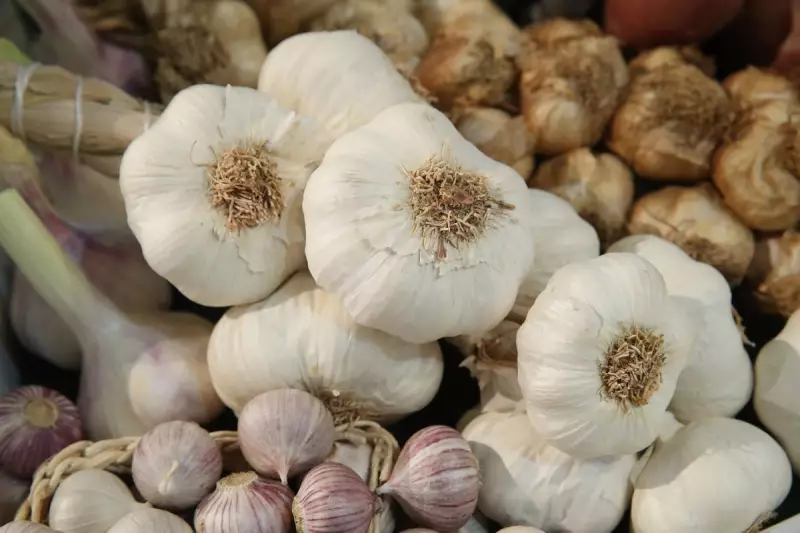
Garlic, a staple sizzling in olive oil or crushed into a curry, has long been a kitchen hero. But beyond its pungent flavour, it has earned a reputation as a potent natural remedy, with science now backing what tradition claimed for centuries: garlic is remarkably good for you.
The secret to its power lies in its unique chemistry. Garlic (allium sativum) contains sulphur compounds, including diallyl disulfide and S-allyl cysteine, which are responsible for both its distinctive aroma and its medicinal effects. The most studied compound is allicin, which forms when garlic is chopped, crushed, or chewed. This unstable compound quickly breaks down into other health-promoting sulphur compounds.
A Powerful Ally for Your Heart
Extensive research highlights garlic's potential to support cardiovascular health. Garlic supplements can significantly reduce high blood pressure, with some studies showing effects comparable to certain prescription medications. A 2019 analysis found this reduction was linked to a 16%-40% lower risk of cardiovascular events like heart attacks and strokes.

This benefit is multi-faceted. Garlic extract improves arterial elasticity, making blood vessels more flexible and reducing the strain on the heart. Furthermore, garlic compounds help relax blood vessels by increasing levels of nitric oxide and hydrogen sulphide, gases that naturally widen vessels for better blood flow. Allicin may also block angiotensin II, a hormone that tightens blood vessels.
Garlic also positively impacts cholesterol. Research suggests it can lower both total cholesterol and LDL ('bad') cholesterol. Taking garlic for over two months can reduce LDL cholesterol by up to 10% in individuals with mildly raised levels. Lab studies indicate garlic compounds block liver enzymes that produce cholesterol and may prevent plaque buildup in arteries.
Boosting Your Body's Defences
Garlic's renowned antibacterial properties, largely attributed to allicin, provide robust immune support. Aged garlic extract has been shown to have antimicrobial activity against bacteria, viruses, and fungi.
One study demonstrated that people taking aged garlic extract experienced milder cold and flu symptoms, recovered faster, and missed fewer days of work or school. More recent research suggests garlic supports the immune system by activating key white blood cells, including:
- Macrophages: immune cells that engulf and destroy invaders.
- Lymphocytes (T cells and B cells): which recognise infections and produce antibodies.
- Natural killer cells: which target and destroy infected or abnormal cells.
Garlic may also help regulate inflammation, a critical part of a healthy immune response.
Potential Role in Cancer Prevention
Early research indicates that garlic may help reduce the risk of certain cancers, particularly those in the digestive system, colon, lungs, and urinary tract.
Studies have found that garlic can influence key cancer development processes. It may stop cancer cells from dividing, prevent tumour-feeding blood vessels from forming, and encourage natural cancer cell death. These effects are linked to garlic's influence on cell signalling pathways that control growth and behaviour, with its antioxidant and anti-inflammatory properties also playing a role.
It is important to note that most of this evidence comes from laboratory and animal studies, and more robust clinical trials on people are needed to confirm these effects.
Beyond these three key areas, ongoing research explores other potential benefits. Garlic's antioxidant effects may help lower the risk of Alzheimer's disease, and its anti-inflammatory properties could be useful in managing conditions like osteoarthritis.
How to Incorporate Garlic Safely
While there is no official recommended daily amount, many studies use the equivalent of one to two cloves per day. Supplements are widely available, but consuming garlic as part of food provides additional fibre, vitamins, and plant compounds that supplements lack.

Garlic is generally safe but can cause bloating, gas, and heartburn, especially when eaten raw or in large quantities. It is also known for causing bad breath and body odour due to the release of sulphur-containing gases like allyl methyl sulphide.
Garlic can interact with certain medications. It may increase the effects of blood-thinners like warfarin, raising the risk of bleeding, and can lower blood pressure, which may be problematic for those on related medications. Those who are pregnant, breastfeeding, or have existing health conditions should consult a doctor or pharmacist before consuming large amounts.
In conclusion, garlic is far more than a flavour booster. It is a functional food with a growing body of scientific evidence supporting its benefits for heart health, immune function, and potentially more. While not a replacement for medical treatment, including garlic in your diet can offer tangible health advantages. As with any natural remedy, moderation and professional advice are key.