Middle East Conflict Triggers Pilgrimage Travel Crisis
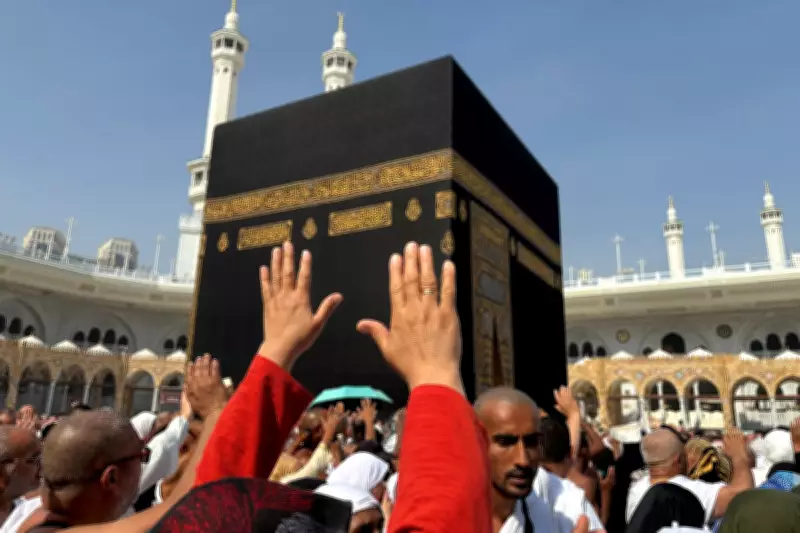
The ongoing war in the Middle East has plunged the travel plans of thousands of Muslim pilgrims into disarray, creating a widespread humanitarian and logistical emergency. Many faithful who converged on Saudi Arabia to perform the sacred Umrah rituals now find themselves stranded, desperately seeking alternative routes home as flights are canceled and borders close.
Indonesian Pilgrims Bear the Brunt of Disruption
Indonesia, home to the world's largest Muslim population, has reported that more than 58,860 of its citizens are currently stranded in Saudi Arabia. Vice Minister of Hajj and Umrah Dahnil Anzar Simanjuntak confirmed the government is actively negotiating with Saudi authorities and airlines to alleviate the financial strain on pilgrims facing unexpected hotel and flight costs.
"This is an urgent humanitarian and logistical issue," stated ministry spokesperson Ichsan Marsha. The Indonesian government has additionally advised approximately 60,000 prospective pilgrims to postpone their Umrah travel until April due to safety concerns arising from the regional conflict.

Personal Stories of Stranded Faithful
Zanirah Faris, an Indonesian pilgrim, shared her distressing experience with iNews TV after her return flight was canceled. Reassigned to a flight on March 12, she highlighted the dual burden of financial pressure and emotional distress. "Not everyone can afford additional hotel stays," she explained, voicing her disappointment that her children are waiting anxiously for her return.
The crisis extends beyond Indonesia. Malaysia's Consul General in Jeddah, Mohamad Dzaraif Raja Abdul Kadir, reported about 1,600 Malaysian pilgrims are also stranded, though he noted they remain in good condition. In response, Malaysia has established a 24-hour operations room and is coordinating with airlines, including a temporary resumption of Malaysia Airlines flights from Jeddah and Medina.
Broader Regional Travel Network Paralyzed
The conflict's impact radiates across global travel networks, with Gulf airports—critical hubs for connections to Europe, Africa, and Asia—experiencing severe disruptions. This has compounded difficulties for pilgrims and other travelers alike.
Maged Kholaif, a 44-year-old Egyptian resident of Kuwait, described the abrupt end to the spiritual high of his Umrah when his February 28th flight was canceled as the war erupted. Stranded with his wife and mother-in-law, and hearing reports of sirens in Kuwait, he made the difficult decision to return overland, finally reuniting with his children in an emotional embrace on Tuesday.
Last-Minute Cancellations and Anxious Vigils
Faced with deteriorating conditions, many prospective pilgrims have made the painful choice to cancel their journeys entirely. Javed Khizer, 47, from Michigan, canceled his family's planned Umrah trip via Turkey and Qatar. "We could only understand that the situation is getting worse," he said, acknowledging the uncertainty of future opportunities during Ramadan.
For those who proceeded, the shadow of conflict looms large. Pilgrim Majid Mughal, 52, visiting from the United States with his family, admitted he would have canceled had he known war would break out. While he reports feeling safe and observing normal security, his family struggles to focus fully on worship, fasting, and prayer amidst constant news checks and reassurances to loved ones back home. Daily monitoring of flight statuses adds to their anxiety, with work and school commitments awaiting their return.
The Umrah, often called the lesser pilgrimage, can be performed year-round, unlike the annual Hajj which is a pillar of Islam. This flexibility offers little comfort now, as what should be a period of profound devotion has been overshadowed by geopolitical turmoil and travel uncertainty for countless faithful.