Every December, supermarket shelves groan under the weight of increasingly peculiar festive fare, from gingerbread cheese to mince pie wraps. But this year's most unexpected culinary trend might be lurking in your living room, bedecked in baubles and fairy lights. Food writers and top chefs are championing a surprising new ingredient: the Christmas tree itself.
From Forest to Fork: The Edible Conifer Trend
According to food writer Julia Georgallis, author of the 2020 cookbook How To Eat Your Christmas Tree, the needles, bark, and branches of your festive fir are a versatile and flavoursome addition to both sweet and savoury dishes. "Just think of it like a bay leaf or a sprig of rosemary," she suggests, urging culinary adventurers to look beyond the supermarket. She emphasises that many edible plants aren't available for purchase, but that doesn't diminish their worth or taste.
Georgallis explains that different conifers offer subtly distinct flavours, far removed from the artificial scent of a car air freshener. Pine is described as woody and delicate, fir is grassy, and spruce – her favourite – carries almost vanilla-like notes. This isn't a modern gimmick, however. The tradition of cooking with conifers spans centuries and continents, from Alpine herbal liqueurs to East Asian techniques of smoking fish and meat with pine.

A Festive Feast: Putting the Tree to the Taste Test
Inspired by Georgallis's book, we attempted several recipes to see if dining on your decoration could become a new family tradition or is merely a passing fad. A crucial first step is ensuring your tree is edible and hasn't been sprayed with harmful chemicals or paint, a common practice among some growers.
Our first attempt was Christmas-Cured Fish, using a side of salmon and 350g of spruce needles. After a 24-hour cure in a mixture of demerara sugar, salt, beetroot, lemon zest, and the finely chopped needles, the result was impressive. The salmon took on a bright pink hue, with a delicate, earthy depth from the spruce that paired beautifully with the citrus. Verdict: 5/5 – fresh, festive, and perfect for a party canapé.
Next, we tackled Spruce and Ginger Ice Cream, made with 300g of blue spruce needles. The process was labour-intensive, requiring constant stirring during freezing. While the resulting ice cream was velvety and rich, the promised vanilla notes of the spruce were overpowered by the stem ginger. Verdict: 3/5 – a lovely dessert, but the essence of tree was lost.
More successful were the Christmas Pickles, where ribbons of beetroot and carrot were preserved with fir needles in a sharp apple cider vinegar brine. After five days in the fridge, they were vibrant, tangy, and deliciously grassy, providing a perfect accompaniment to a festive cheeseboard. Verdict: 4/5 – a lip-puckeringly sharp, moreish treat.
Not Just a Novelty: A Trend with Roots
This trend has already found favour in professional kitchens. Top UK chefs have incorporated pine into seasonal dishes, from pine jelly served with meat to spruce honey paired with cheese. Until recently, Waitrose sold Heston Blumenthal's mince pies topped with pine sugar. Proponents also cite potential health benefits, such as immune system support from the vitamin C found in needles, though these claims should be approached with caution.
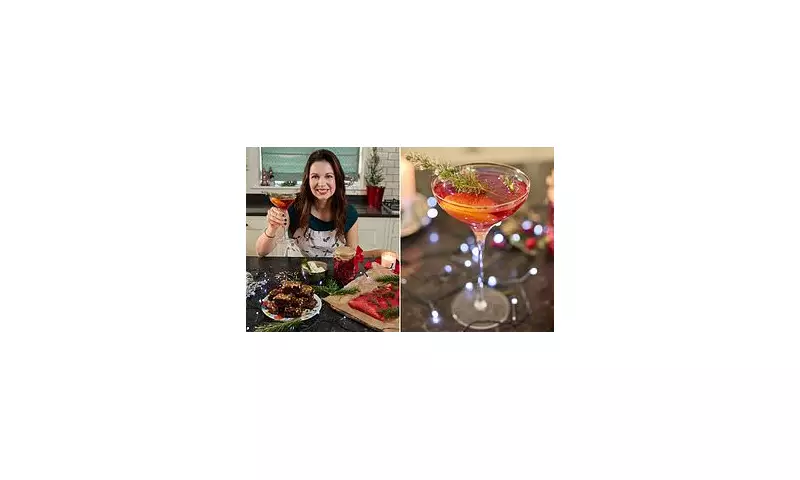
Our final experiments included Pine Nut Brownies, which, while decadent, lacked a distinct pine flavour (Verdict: 2/5), and the clear winner: Fir Tree Mimosas. Made with a homemade cordial of fir needles, lemon, and sugar, mixed with prosecco, the cocktail was fizzy, tart, and dangerously drinkable. Verdict: 5/5 – booze, bubbles, and a dash of tree proved an irresistible combination.
While plucking sprigs straight from your decorated tree is not recommended without checking its provenance, the exploration of conifers in the kitchen connects us to ancient, global culinary traditions. It seems the quest for the next big festive flavour has literally come home to roost – right in the corner of your living room.