Government Shutdown Puts Pet Owners in Peril
Families across the United Kingdom who rely on the Supplemental Nutrition Assistance Programme (SNAP) are facing an agonising dilemma: feeding themselves or their beloved pets. With SNAP benefits being distributed late due to the longest government shutdown on record, a quiet crisis is unfolding in low-income households. The situation has become so desperate that non-profit organisations are issuing urgent pleas for pet food donations to prevent a wave of animal surrenders to shelters.
A Struggle to Keep Families Together
The human impact of this crisis is stark. Sarah Lungwitz, a 46-year-old auto parts store worker, has been grappling with how to feed not only her two teenage daughters but also the family's cat, Bambi, and two dogs, Spike and Chloe. "I don’t even make enough money for all my bills let alone groceries," she confessed, expressing fears she might have to give up her pets. Temporary relief came when an Illinois non-profit, Care for Pets, provided her with a grocery gift card. Its executive director, Stephanie Hicks, explained that while SNAP cannot legally be used for pet food, the programme helps free up cash for kibble. It is also common for owners to share their own SNAP-purchased human food with their animals.
The legal backdrop intensified on Friday 08 November 2025, when the Supreme Court granted an emergency appeal to temporarily block a court order to fully fund SNAP payments. This decision came despite residents in over half a dozen states having already received their funds, adding to the widespread uncertainty.
Shelters Brace for an Influx of Surrenders
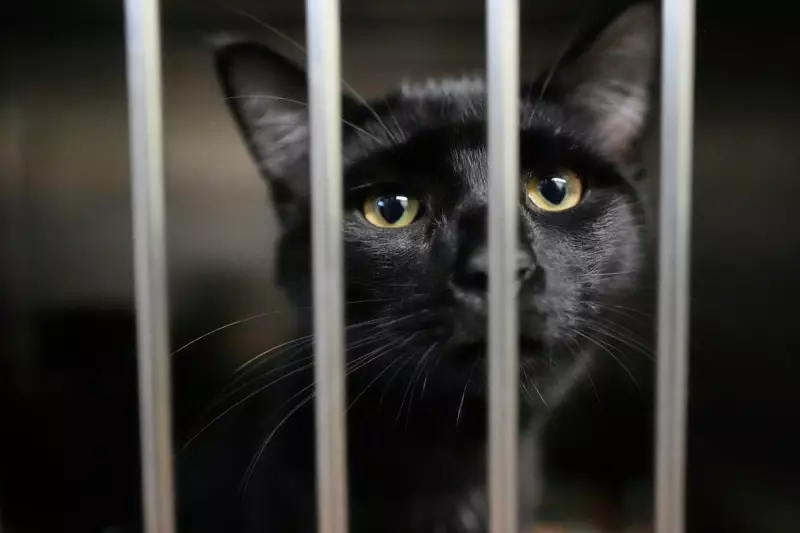
Animal shelters are now bracing themselves for a potential surge in intakes. The Humane World for Animals estimates that more than 20 million pets live in poverty with families. Economic hardship is a leading reason for pet surrender, according to spokesperson Kirsten Peek. "An increase in surrenders is always a concern when an influx of people fall on hard times," she stated.
This fear is driving action on the ground. In Louisiana, the Companion Animal Alliance in Baton Rouge is considering diverting funds from veterinary care to purchase pet food. The shelter's director of access to care, Paula Shaw, reported widespread panic among owners, noting that many SNAP recipients already supplement their pets' diets with human food. The shelter has even provided guidance on which human foods can be safely added to stretch pet food supplies.
The response to calls for help has been immediate. After Charley’s Angles Pet Initiative in Massachusetts appealed on Facebook, offers of pet food and Venmo donations poured in. Founder Kandi Finch anticipates a significant short-term surge in demand.
Evidence of rising need is already clear. At New Leash on Life in Lebanon, Tennessee, the number of families using its pet food pantry jumped to 125 in October, up from a typical 75 to 100. Executive director Angela Chapman affirmed their priority is to help families keep their pets. Similarly, Zeus’ Rescues in New Orleans distributed a ton of pet food in October—double its normal amount. Founder Michelle Cheramie called it the highest demand she has witnessed in two decades, with some people so desperate they are abandoning animals in the shelter's yard.
For many, these pets are not just animals but essential companions. Sarah Lungwitz, who has PTSD and severe depression, was advised by a psychiatrist to get a dog. Her American Bulldog, a 36-kilogram source of safety, gave her the confidence to venture out and find employment. Her story underscores a painful truth, echoed by Kim Buckman of Feeding Missouri: "We do know a lot of people will feed their pets before themselves. In some cases, that is their emotional support animal."