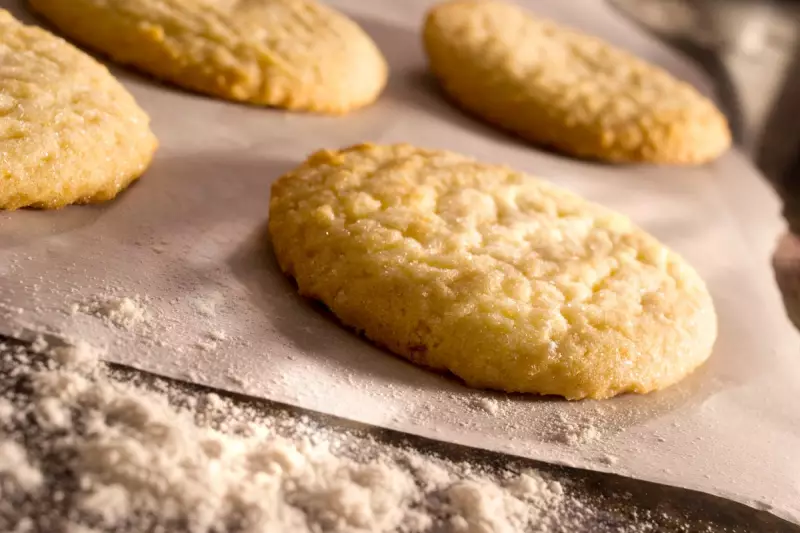
As the festive season tempts us with gingerbread houses and frosted cookies, many seeking healthier options turn to sugar-free treats. However, experts warn these alternatives may carry significant health risks, challenging the perception that they are a better choice.
The Rise of Sugar-Free and the Fear of Sugar
A growing number of people are actively trying to cut down on sugar. The International Food Information Council’s 2025 Food & Health survey found that 75 percent of Americans aimed to reduce or avoid sugar this year, with 22 percent choosing a "sugar-free" option when possible. This trend is fuelling a booming market; research firm Dataintelo estimates the global sugar-free confectionery sector will surge from $42.5 billion in 2023 to $84.3 billion by 2032.
Dietitians argue this shift is often driven by misconceptions. Alison Swiggard, a Registered Dietitian Nutritionist based in Portland, Maine, notes that fear-based messaging has perpetuated myths. "Myths like sugar being addictive or causing diseases like diabetes or cancer have been circulating in the wellness space for ages, and they just can't seem to die. Sugar has a place in a well-balanced diet," she told The Independent.

Hidden Health Pitfalls in Sugar-Free Alternatives
Contrary to popular belief, sugar substitutes are not without consequence. A study highlighted by the American Academy of Neurology discovered a troubling link: individuals consuming more than 190 milligrams of sweeteners daily for a year experienced cognitive and memory skills declining 62 percent faster than those who had just 20 milligrams.
Artificial Sweeteners and Gut Disruption
Products using sweeteners like sucralose, aspartame, or stevia aim to satisfy cravings without calories but can backfire. Registered Dietitian Avery Zenker from Ontario, Canada, explains these substances are linked to altered appetite, increased inflammation, and disruption of the gut microbiome. This imbalance can make the body more susceptible to infections.
"There’s decent evidence they alter the gut microbiome, and disrupt gut barrier function (i.e., contribute to ‘leaky gut’),". Zenker said, referring to a condition that can cause bloating and food sensitivities. She added that some people experience headaches or digestive issues, concluding that on their own, artificial sweeteners "don’t have strong health benefits and may harm health."
The Problem with Sugar Alcohols and Fats
Swiggard also points to sugar alcohols—such as erythritol, xylitol, and sorbitol—common in sugar-free foods. These are not fully absorbed, travelling to the large intestine where bacteria ferment them, leading to gas, bloating, cramping, and loose stools when eaten in quantity.
To compensate for flavour and texture lost by removing sugar, manufacturers often add ingredients like butter and palm oil, which are high in saturated fats. Zenker warns that excessive intake of these fats is linked to increased risks of cardiovascular disease and high cholesterol.
Furthermore, many sugar-free desserts rely on refined carbohydrates like wheat flour. Zenker cautions that these can cause rapid spikes in blood sugar, potentially worsening insulin sensitivity, promoting weight gain, and increasing systemic inflammation. "Replacing added sugar with refined carbohydrates in sugar-free desserts has minimal benefit," she stated.
Should You Eat Sugar-Free Desserts?
There are contexts where artificial sweeteners can be useful, such as reducing tooth decay risk or as a short-term weight management tool for individuals with medical conditions like diabetes. However, the key is mindful consumption.
Swiggard advises scrutinising ingredient labels and reflecting on your motives. "If sugar-free options feel genuinely satisfying and supportive, they can absolutely be part of holiday eating. If they feel like a rule that doesn't actually satisfy, it may be more nourishing to enjoy traditional desserts in a relaxed way," she explained.

For those wanting to avoid both sugar and artificial sweeteners, Zenker recommends using whole-food alternatives. "Using whole food sweeteners like dates, bananas, and applesauce can be nutrient-dense alternatives to sugar," she said. "They still contain sugar, but it’s not linked as strongly to the health risks of refined sugar."
The consensus from experts is clear: the "healthier" label on sugar-free desserts can be misleading. Being an informed consumer, understanding ingredients, and occasionally enjoying a regular treat without guilt might be the more balanced approach this holiday season.