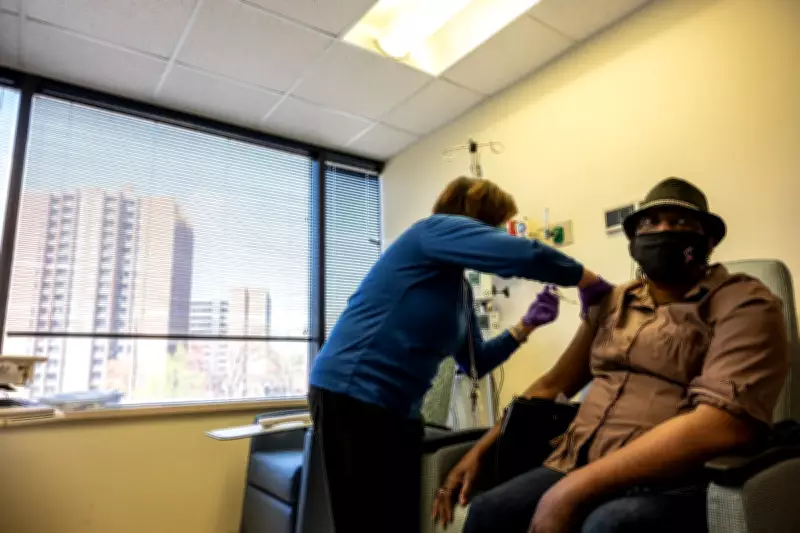
Major Cancer Vaccine Breakthrough Extends Survival for Patients
In a significant medical advancement, mRNA vaccines, originally developed for infectious diseases, are now demonstrating substantial promise in cancer treatment. Recent clinical trials have shown that these vaccines can extend survival for patients with pancreatic cancer, marking a pivotal step forward in oncology research.
Progress Towards a Universal Cancer Vaccine
Researchers are making notable strides towards developing a universal cancer vaccine designed to stimulate the immune system to target and combat tumours. Early successes have been reported in various studies, indicating potential applications across multiple cancer types, including melanoma and lung cancer.
Funding Challenges and Commitments

Last year, a previous administration cancelled $500 million in vaccine development funding, a decision that drew sharp criticism from medical experts who emphasised the life-saving potential of mRNA technology. In response, the Department of Health and Human Services (HHS) has since committed to advancing cancer vaccine research.
The National Cancer Institute is now investing $200 million in a public-private partnership to support clinical trials. However, experts caution that this investment is merely a starting point and that significantly more funding is required to fully develop and deploy effective cancer vaccines.
Future Prospects and Cautionary Notes
While ongoing trials for melanoma and lung cancer show encouraging results, the future of mRNA cancer vaccines remains uncertain without sustained financial support. These vaccines could become a critical tool in the fight against cancer, but their development hinges on continued investment and research efforts.
Medical professionals highlight that the breakthrough in pancreatic cancer survival is a promising sign, yet they urge policymakers to prioritise funding to ensure these innovations reach patients in need. The path forward involves not only scientific innovation but also robust financial backing to translate early successes into widespread clinical applications.