A revolutionary cancer vaccine that could prevent the disease from ever taking hold might be available to the public within the next decade, according to pioneering British scientists.
From Podcast to Potential Cure: The Oxford Project
The ambitious project, led by researchers at the University of Oxford, is set to begin human trials for a lung cancer vaccine in the summer of 2026. This forms the vanguard of a wider programme aiming to create jabs for breast, ovarian, and bowel cancers. The ultimate goal is to combine the most effective elements into a single, preventative anti-cancer injection.
The vision is for this multi-cancer vaccine to be offered free on the NHS, potentially to young people during a routine GP visit. Experts believe such a universal preventative measure could save up to 3.6 million lives globally each year from the deadliest forms of cancer and significantly extend average human lifespans.

A Coordinated, Fast-Tracked Effort
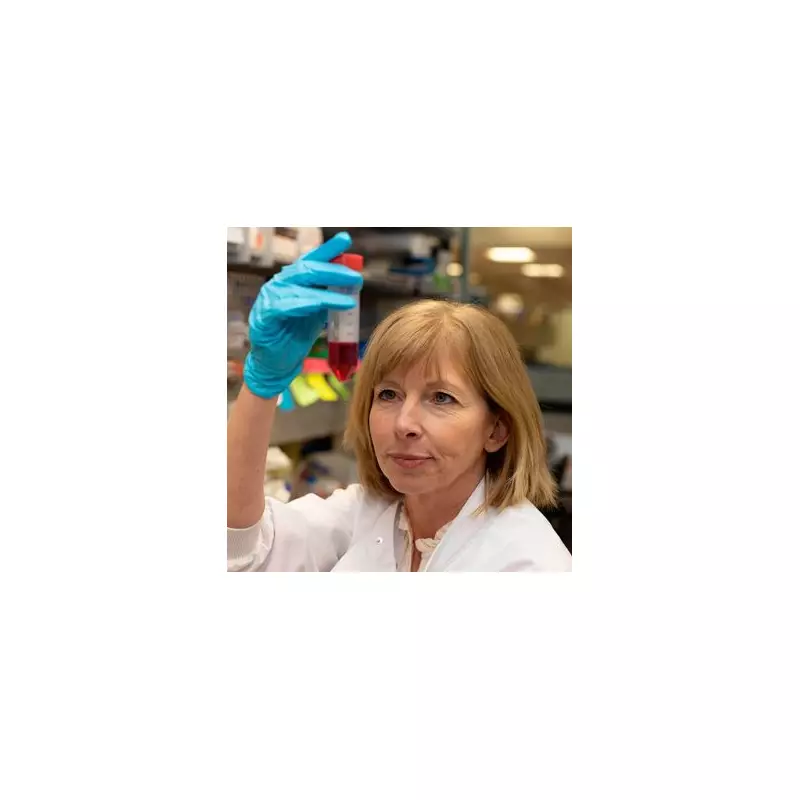
The breakthrough is being spearheaded by Professor Sarah Blagden, a clinician-scientist in experimental cancer therapeutics at Oxford. She revealed the project's rapid progress in the Channel 4 documentary 'Cancer Detectives: Finding the Cures'. Professor Blagden described a pivotal moment three years ago when, listening to a podcast featuring Professor Charles Swanton of London's Francis Crick Institute, she had an epiphany.
"I heard Charlie talking about how cancers evolve and develop resistance," she explained. "I contacted him and said, 'you should design a vaccine against those early changes'." Leveraging the rapid vaccine development platforms refined during the COVID-19 pandemic, her team at Oxford repurposed the technology to target pre-cancerous cells.
"What we think we have is the first vaccine that could actually prevent cancer from starting in the first place," Professor Blagden stated. "We've designed a vaccine to get your immune system to eradicate those cells [undergoing transition towards cancer]."
Aiming for a Universal 'Game-Changer'
The initiative has garnered crucial support from the NHS, Cancer Research UK, the CRIS Cancer Foundation, and major pharmaceutical firms. Despite initial challenges in securing funding for what was considered an "out of the box" idea, the team now has its first batch of lung cancer vaccine produced and is preparing for clinical trials.
Professor Blagden envisions a future where a single jab, given in early adulthood, could drastically reduce cancer risk, similar to childhood vaccines for measles or whooping cough. "We'd like to imagine that we could do this within the next decade or maybe the next 20 years," she said.
She emphasised the unique, coordinated nature of the UK effort: "In the world no-one else is doing it like this... we're working across multiple disease areas." This approach, she argues, represents a "one-in-a-generation opportunity" to shift the medical focus from treating established cancer to preventing it entirely.
The potential benefits extend beyond oncology. By preventing a huge number of cancer cases, the vaccine would free up vast NHS resources to tackle other lethal diseases like dementia and heart conditions. Driven by personal experiences of how "rotten" cancer is, Professor Blagden and her team are committed to moving "fast, fast, fast." Her defiant message to the disease is simple: "We're coming for you."