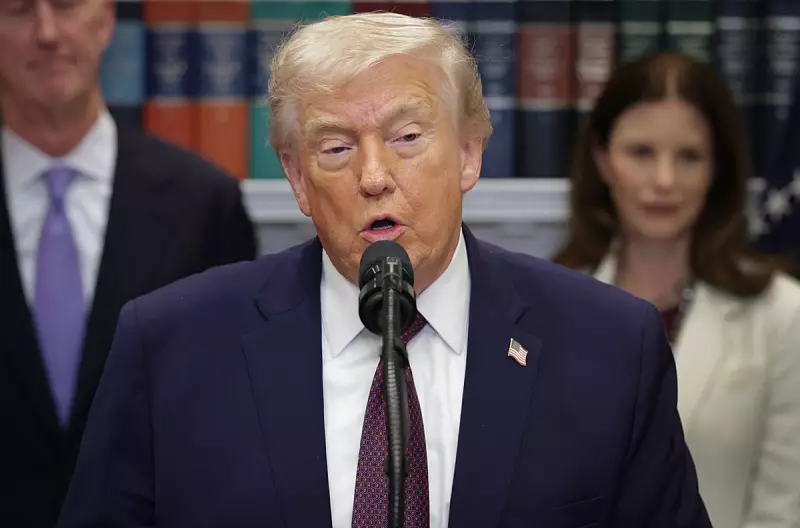
In a significant move aimed at tackling high prescription costs, former President Donald Trump has announced a new agreement with nine of the world's leading pharmaceutical companies. The deal, revealed on Friday 19 December 2025, commits the firms to offering American customers the same discounted prices for key medications that are available in other countries.
The 'Most Favored Nations' Model and Key Players
The initiative, branded the 'Most Favored Nations' pricing model, directly targets the longstanding issue of Americans often paying more for the same drugs than patients abroad. Major industry players including Amgen, Bristol-Myers-Squibb, and GSK are among the nine companies that have signed on. This follows earlier agreements secured with other manufacturers such as Eli Lilly and Novo Nordisk, which are already expected to drive down prices for popular drugs like Wegovy and Zepbound.
Alongside the pricing commitment, the participating firms have pledged a combined $150 billion in new investments into United States-based manufacturing and research and development. This dual approach seeks not only to reduce immediate costs for consumers but also to bolster domestic pharmaceutical infrastructure.

Immediate Benefits and the 'Trump Rx' Portal
The plan promises tangible benefits for patients, particularly those relying on Medicaid. To facilitate access, a new government website named 'Trump Rx' is scheduled to launch next month, which will serve as a central hub for information on the discounted medicines.
In a further show of commitment, several companies involved in the pact, including Merck and Bristol Myers Squibb, have agreed to donate substantial supplies of critical medicines. They will provide a six-month stock of essential drugs to the US government's Strategic Active Pharmaceutical Ingredients Reserve, enhancing national health security.
Context and Broader Implications
The announcement represents a continued push by the Trump administration to use executive agreements to reform aspects of the American healthcare market. The focus on securing price parity with foreign nations has been a central pillar of this strategy. While the deal was unveiled, President Trump declined to take questions on unrelated matters, including the Epstein files and the renaming of the Kennedy Center, keeping the spotlight firmly on the pharmaceutical initiative.
For UK observers and global health policy analysts, this development underscores the ongoing and intense political focus on drug pricing in the United States. The success of the 'Most Favored Nations' model could influence pricing debates and negotiations in other countries, including Britain, where the NHS constantly negotiates for value. The promised $150 billion investment in US capabilities may also have longer-term implications for the global pharmaceutical manufacturing landscape.