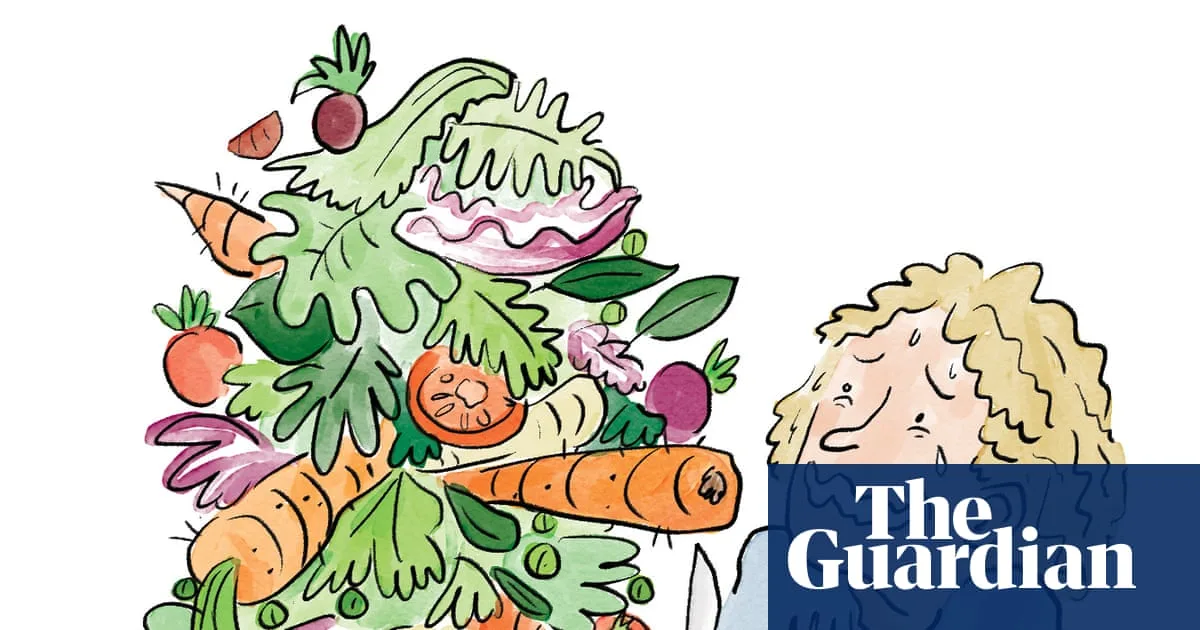
Fibremaxxing has become the latest trend on TikTok, with influencers urging followers to pack as much roughage into their diets as possible. But while most Britons need to eat more fibre, experts warn that overloading can harm gut health.
Dr Emily Leeming, a dietitian at King's College London and author of the upcoming book Fibre Power, says that while our ancestors may have eaten up to 100g of fibre a day, modern guts cannot tolerate such high amounts. The average Briton consumes only 16g daily, far below the 30g adult target, and just 4% meet this recommendation.
Increasing fibre intake gradually is key. Leeming advises against jumping from 16g to 50g, as this can cause bloating and discomfort. Regularly exceeding 50g may also lead to a restrictive or obsessive approach to eating. “We don’t need to go above and beyond to see benefits,” she says.

Even modest increases can have significant health benefits. An extra 7g of fibre per day is linked to lower risks of heart disease, type 2 diabetes and bowel cancer, while 5g more is associated with a 5% lower risk of depression. Fibre supports digestion, reduces bad cholesterol, helps control blood sugar and promotes fullness.
To increase fibre intake safely, Leeming recommends doing so gradually and drinking plenty of fluids, as fibre acts like a sponge. “Healthy eating has to be enjoyable, practical and make you feel good,” she adds.