An ancient Chinese wellness practice has taken social media by storm, with health experts claiming it could hold the secret to healthy ageing. The movement routines, known as qigong, have accumulated millions of views online, with users enthusiastically labelling them 'longevity exercises'.
The Social Media Phenomenon
In one particularly popular video posted earlier this month, wellness influencer Anna Li demonstrated a five-step qigong routine that has been viewed nearly 100,000 times. Her caption resonated with many: 'POV; you used to cringe at your Chinese mom for doing these exercises… Now they are going viral and you have to tell her she was right.'
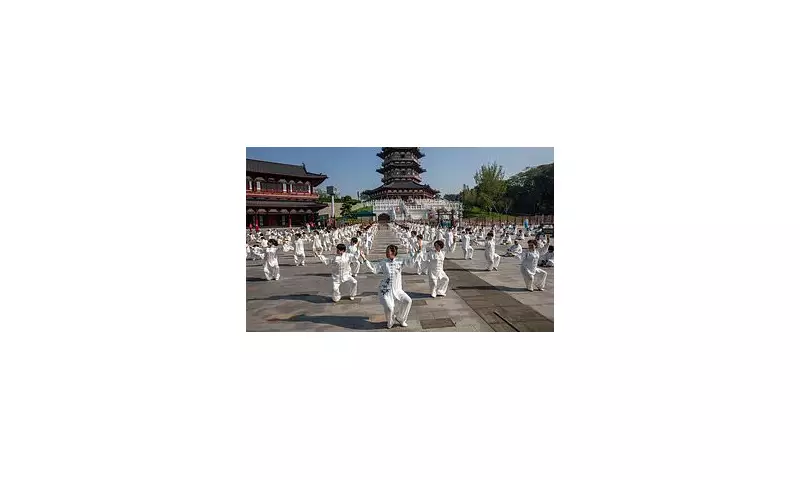
Similarly, clips of Chinese grandmothers performing traditional exercises in local parks have gained significant traction in recent weeks, introducing the ancient practice to entirely new generations.

Understanding Qigong's Ancient Roots
Qigong represents a 4,000-year-old traditional Chinese medicine practice that skilfully combines deliberate movement, meditation and controlled breathing techniques. The foundation of this practice rests on the principle that the body contains freely flowing energy, and that sedentary lifestyles cause this energy to stagnate, impairing the body's natural healing capabilities.
Peter Deadman, a Qigong specialist from the UK Centre of Chinese Medicine, explains: 'Qigong is really an umbrella term for movement exercises that range from meditative practices to martial arts. They have always been focused on living a long life, mainly because the philosophical grounding is Daoism which does not have the Christian tradition of an afterlife—but the key is really that they help with healthy longevity.'
Accessible Exercises for Beginners
Fortunately, you don't need to travel to Beijing to learn qigong, as hundreds of free tutorial videos are available online. One YouTube channel, Qigong for Vitality, has attracted over 179,000 subscribers and offers 200 videos catering to all ages and fitness levels.
Among the most accessible exercises for newcomers are the awakening stretch—a simple morning movement involving raising arms overhead, rising onto toes and slowly lowering hands—and cloud hands, which features slow side-to-side motions with hands gliding across the body.
More vigorous activities include the whole body shake or punch with a twist, which involves controlled, forceful punching exercises performed in steady sequences with coordinated breathing and gentle waist twists.
Other practices include body tapping, where practitioners gently slap or hit acupuncture points around the armpits, chest or neck to relieve stress. The theory suggests this tapping can stimulate the body's lymphatic system—the network of vessels, nodes and organs that helps remove toxins while supporting immune function.
Scientific Backing for Ancient Practice
A major review of 77 studies published in 2010 by American researchers demonstrated that both qigong and tai chi can benefit bone health, improve cardiovascular and respiratory function, and reduce symptoms of depression and anxiety.
More recently, a 2023 analysis of qigong studies found the practice actually changes the hippocampus and prefrontal cortex of the brain in ways that may enhance memory, spatial awareness, concentration and information processing.
According to Mr Deadman, the true magic of qigong lies in its threefold approach: 'These exercises involve deep diaphragmatic breathing, which helps to move the body away from a feeling of stress, as well as focusing the mind, unlike many western workouts where you see people running on a treadmill and watching a film, and of course the movement helps the body. The combination of all three is where the magical effect comes from.'
He adds: 'The benefits of qigong have been a bit lost in the west, with people focusing instead on yoga, but it can be really beneficial for both physical and mental health and in turn healthy ageing.'