Nestled within the vast Salisbury Plain Training Area lies a forgotten piece of English history: the village of Imber. For 82 years, this Wiltshire settlement has stood frozen in time, its streets silent and homes empty, accessible to the public for a mere dozen days each year.
The Wartime Evacuation That Never Ended
In 1943, as World War Two raged, the lives of Imber's 150 residents were abruptly upended. With the war effort requiring extensive training grounds, the British Army issued a sweeping order. Every inhabitant was told to leave their homes, given just 47 days' notice to pack their lives and depart. The promise was clear: they could return once hostilities ceased.
Yet, that promise was never fulfilled. The Ministry of Defence (MoD) retained control of the village and the surrounding land, transforming it into a crucial military training area. To this day, more than eight decades later, Imber remains under strict MoD jurisdiction, a ghost village locked behind fences for 353 days of the year.

A Glimpse Behind the Fence: The 12 Open Days
Public access to this eerie time capsule is severely limited. The gates swing open on just 12 specified days annually, a schedule that includes Easter, a summer open day, a pre-Christmas carol service, and a stretch over the New Year period. This year, from December 29th to January 2nd, visitors were allowed to wander the deserted lanes from 8am to 8am.
During these rare openings, the focal point is the Grade I-listed St Giles Church, which is lovingly maintained. Neil Skelton, 77, a volunteer keeper from Wilton, manages the church during open days. "We do get a lot of visitors," he said. "In the summer on the bus day we had about 4,000 visitors and over the bank holiday we had 3,000."
Tranquillity and Tourism in a Village Lost to Time
Entry to Imber is free, with donations supporting the Churches Conservation Trust (CCT), which cares for St Giles. Remarkably, the sale of refreshments and souvenirs in the church raises between £15,000 and £20,000 each year for its upkeep.
Neil, who first cycled to Imber as a 16-year-old in 1964, now relishes the village's dual nature. "When there is nobody about it is lovely. I often go on my own and I love it, it's a lovely peaceful place to be," he explained. This tranquillity contrasts sharply with the bustling open days, where history enthusiasts flock to witness a village untouched by modern development.
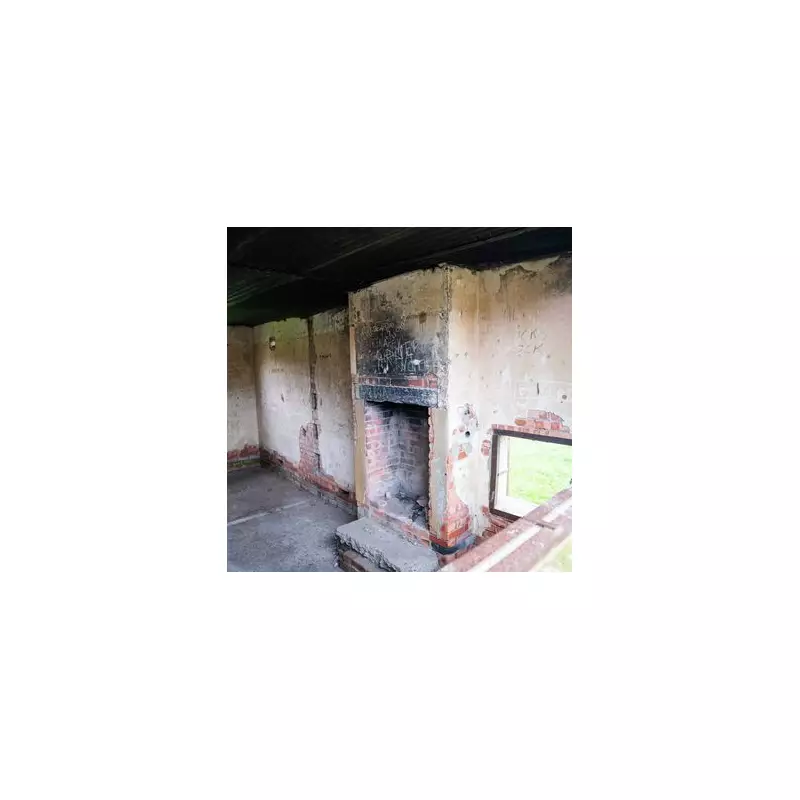
The rest of Imber tells a sadder tale. Many original cottages have crumbled, their thatched roofs succumbing to the elements. Others were damaged beyond repair by military exercises. What remains are often gutted shells or modern, windowless structures built specifically for urban warfare training.
"No one has lived in Imber for 82 years now, so time has stood still," Neil reflects. For most of the year, only wildlife inhabits the ruins. But for those 12 precious days, the ghosts of Imber's past are briefly accompanied by the living, eager to remember the community sacrificed for the nation's defence.