Iran Could Pursue Nuclear Weapons Following US-Israeli Strikes, Experts Warn
Security experts have issued stark warnings that Iran could accelerate its pursuit of nuclear weapons in the aftermath of recent US-Israeli military strikes. The regime's resilience, combined with the psychological impact of the attacks, may harden Tehran's determination to develop nuclear capabilities as a deterrent against perceived Western aggression.
Regime Survival and Nuclear Determination
Global security analyst Jeffrey Lewis emphasized that if the Iranian regime survives the strikes, its resolve to build nuclear weapons would likely strengthen significantly. 'If the strike does not succeed in removing a regime there remain thousands of people in Iran capable of reconstituting a programme like this,' Lewis stated. He further explained that 'the technology itself is decades old, and a vengeful Iran is likely to reach the same conclusion that North Korea reached – that it's a dangerous world with the United States, and it's better to go nuclear.'
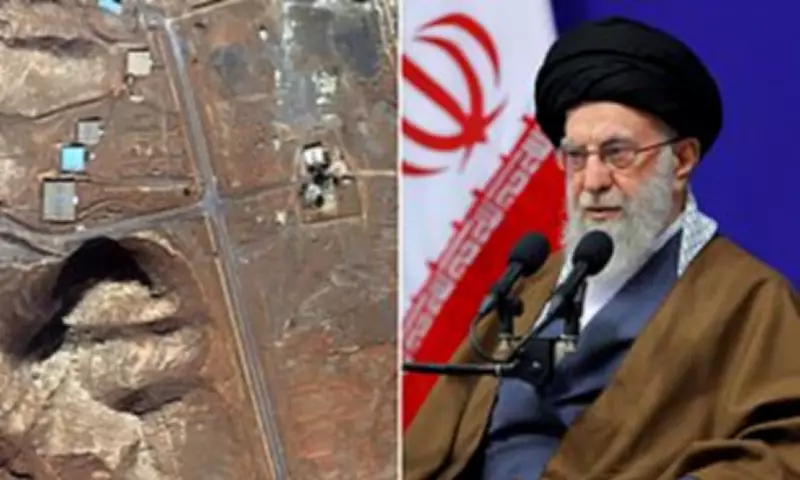
The situation is complicated by the death of Ayatollah Ali Khamenei, Iran's former Supreme Leader, in Saturday morning's airstrikes. Khamenei had previously issued a fatwa – a religious edict – against building nuclear weapons, theoretically placing him in opposition to such development. However, experts have long questioned the robustness and authenticity of this position, and now warn that the next generation of Iranian leadership may abandon it entirely.

Increased Nuclear Risks Regardless of Outcome
Kelsey Davenport, director for nonproliferation policy at the Arms Control Association, highlighted that the risk of Iran pursuing nuclear weapons has increased substantially, regardless of whether the current regime survives. She told the Guardian that remnants of Iran's leadership would be 'pushing Iran towards weaponisation no matter how this conflict ends, because of the nature in which it started.'
Davenport outlined two particularly concerning scenarios:
- If the regime collapses, Iran's stockpile of nuclear material could be stolen or lost, potentially requiring US military intervention to secure it
- There exists a 'real nuclear terrorism risk' associated with regime change objectives that the current administration hasn't adequately acknowledged
Nuclear Justifications and Current Stockpiles
Preventing Iran from obtaining nuclear weapons has emerged as a primary justification for the current military campaign. While both Israel and the US initially suggested they sought regime change, American officials have increasingly emphasized the nuclear argument in recent days.
Before the latest strikes, special envoy Steve Witkoff claimed Iran was merely 'a week away' from obtaining 'industrial grade bomb making material,' though no evidence has been provided to substantiate this assertion.
According to International Atomic Energy Agency (IAEA) estimates, Iran possessed approximately 440 kilograms of uranium enriched to 60 percent before US attacks on its nuclear sites in June. This quantity represents enough material to produce ten nuclear bombs if further enriched to weapons-grade levels of 90 percent.
The current whereabouts of this uranium stockpile remain uncertain. IAEA director general Rafael Grossi acknowledged this week that the agency had lost its 'continuity of knowledge' about the material, though he believes most is stored at the Isfahan nuclear facility. Grossi warned that the ongoing conflict will only make monitoring this potentially deadly stash more challenging.
Political Reactions and Ongoing Conflict
Conservative leader Kemi Badenoch recently cited Iran's nuclear ambitions as justification for military action, arguing that 'Iran in 2026 is not Iraq in 2003' and that the Islamic Republic would deploy nuclear weapons against Britain if allowed to develop them.
Meanwhile, hostilities between Israel and Iran continue unabated, with overnight strikes targeting government and military installations in Tehran. The conflict's regional impact was further demonstrated when the first UK government-chartered evacuation flight from the Middle East failed to depart due to technical issues, forcing passengers to return to hotels in Muscat, Oman.

The convergence of these factors – regime survival pressures, potential leadership changes, existing nuclear infrastructure, and escalating regional conflict – creates what experts describe as a perfect storm for nuclear proliferation in one of the world's most volatile regions.