IAEA Confirms Structural Damage at Iranian Nuclear Facility Following Airstrikes
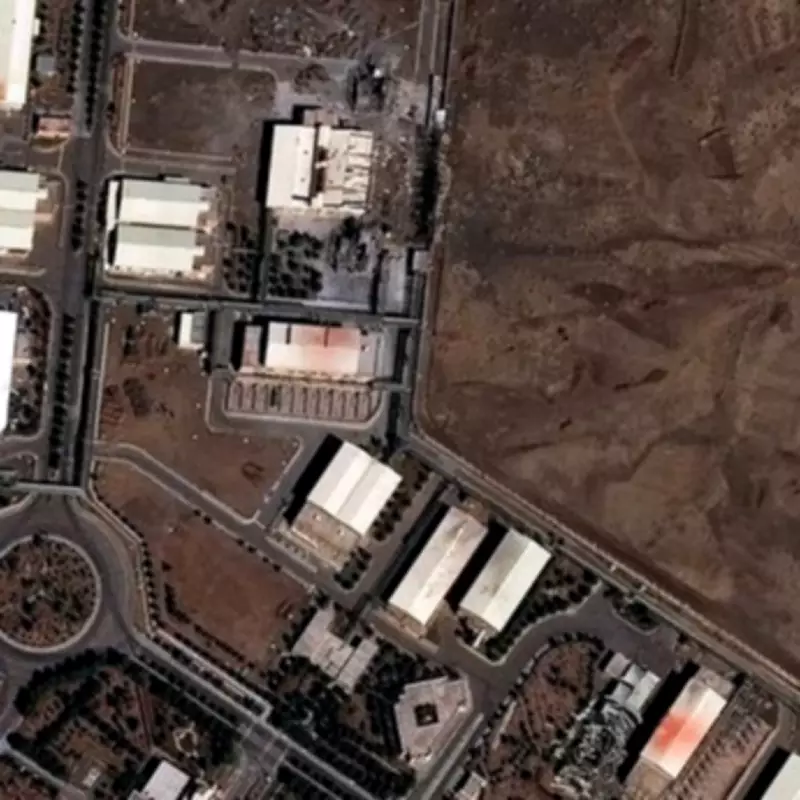
The International Atomic Energy Agency has confirmed that Iran's Natanz nuclear enrichment site has sustained damage following recent US-Israeli airstrikes. The United Nations' nuclear watchdog stated that the damage was concentrated on entrance buildings leading to the underground portion of the facility.
No Radiological Consequences Expected
In a significant development, the IAEA emphasized that no radiological consequences are expected from the recent damage. This assessment comes after careful examination of satellite imagery and on-site evaluations. The agency noted that while there is "some recent damage" to the entrance structures, the Fuel Enrichment Plant itself, which was severely damaged during the June conflict, shows no additional impact.
The statement from the IAEA on social media platform X clarified: "Based on the latest available satellite imagery, IAEA can now confirm some recent damage to entrance buildings of Iran's underground Natanz Fuel Enrichment Plant. No radiological consequence expected and no additional impact detected at FEP itself."

Historical Context of Attacks on Natanz
This is not the first time the Natanz facility has been targeted. During the 12-day Iran-Israel war in June, the site suffered substantial damage:
- Israel's attack on June 13 left the main above-ground enrichment building "functionally destroyed"
- A subsequent US attack on June 22 targeted underground facilities with bunker-busting bombs
- The complex previously housed advanced centrifuges enriching uranium up to 60% purity
Located approximately 135 miles south of Tehran, Natanz represents a crucial component of Iran's nuclear infrastructure, containing both above- and below-ground laboratories that have conducted the majority of the country's uranium enrichment activities.
Iranian Diplomatic Response
Iran's Ambassador to the IAEA, Reza Najafi, addressed the attacks during a special session of the Board of Governors in Vienna. He stated unequivocally that "again they attacked Iran's peaceful safeguarded nuclear facilities yesterday" and dismissed claims about weapons development as "simply a big lie."
When pressed by reporters about which specific facility had been targeted, Najafi confirmed it was indeed the Natanz site that had sustained damage in the latest round of hostilities.
Technical Significance of Natanz Facility
Before the conflict escalated, the IAEA reported that Iran was using advanced centrifuges at Natanz to enrich uranium to approximately 60% purity. This level represents a significant technical step toward weapons-grade enrichment levels of 90%, raising international concerns about the country's nuclear ambitions.
The facility's main above-ground structure, known as the Pilot Fuel Enrichment Plant, suffered catastrophic damage during the June attacks. IAEA Director-General Rafael Grossi described the building as "functionally destroyed" at the time, with serious damage extending to underground halls containing cascades of centrifuges.
Satellite imagery analysis continues to monitor the situation, with recent images showing visible damage to several buildings within the Natanz nuclear facility complex in Isfahan province. The photographic evidence suggests particularly significant damage to two smaller structures at the site.