Iran Sets Out Five Ceasefire Demands Following Rejection of Trump's Peace Proposal
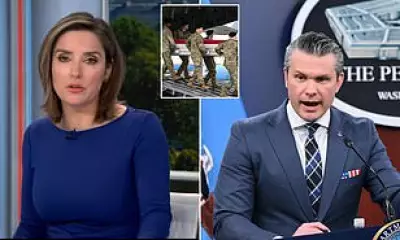
Iran has formally presented its own set of conditions for a ceasefire in the Middle East, after dismissing a comprehensive 15-point peace plan proposed by President Donald Trump. This development comes amid escalating tensions, with the United States confirming the deployment of ground troops following Tehran's rejection of the diplomatic initiative.
Trump's 15-Point Plan and Iran's Response
President Donald Trump recently submitted a detailed 15-point proposal aimed at ending the ongoing conflict in the Middle East. However, Iran has outright rejected this plan, citing it as insufficient and not addressing core regional issues. In response, Iranian officials have articulated five specific demands that must be met for any ceasefire to take effect.
The Five Key Ceasefire Conditions
Iran's conditions for a ceasefire are as follows:

- An end to U.S. and Israeli aggression and assassination attempts: Iran demands a complete halt to military actions and targeted killings by the United States and Israel, which it views as provocative and destabilising.
- Conditions to ensure that the war won't recur: Tehran insists on establishing robust mechanisms to prevent future conflicts, including diplomatic safeguards and regional cooperation frameworks.
- Guaranteed payment of damages and war reparations: Iran seeks financial compensation for losses incurred during the hostilities, emphasising the need for accountability and restitution.
- Region-wide ceasefire for all fronts and resistance groups: The ceasefire must be comprehensive, applying to all combat zones and involving various resistance factions across the Middle East.
- Sovereignty over the Strait of Hormuz: Iran asserts its control over this critical maritime chokepoint, a strategic demand that underscores its regional influence and security concerns.
Escalation and Military Deployment
In the wake of Iran's rejection, the United States has confirmed the deployment of ground troops to the region, signalling a potential intensification of the conflict. This move highlights the fragile state of diplomacy and the high stakes involved in the ongoing war. The situation remains fluid, with both sides digging in their heels, making the prospects for peace uncertain.
The rejection of Trump's peace plan and Iran's counter-demands reflect deep-seated geopolitical rivalries and the complex dynamics of Middle Eastern politics. As tensions mount, the international community watches closely, hoping for a de-escalation that could pave the way for lasting stability in the region.