Ireland Maintains Security Status Amid Gulf Conflict, Harris Confirms
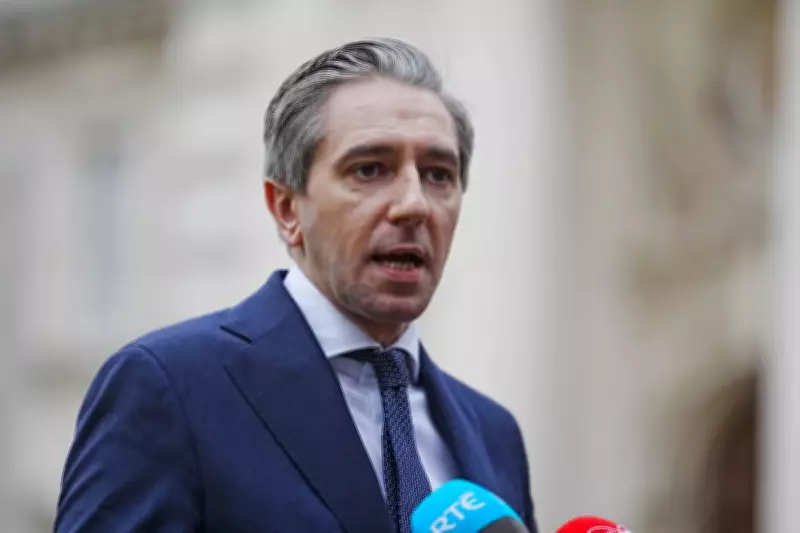
Tanaiste and Finance Minister Simon Harris has declared there has been "no change" to Ireland's security status or threat level despite the escalating conflict in the Gulf region. Speaking to reporters on Tuesday, March 3, 2026, Harris emphasized that authorities are "continuing to monitor the situation globally and any potential impact for Europe."
Evacuation Plans for Irish Citizens
The Irish Government estimates that between 22,000 and 23,000 Irish citizens are currently in the conflict-affected region. Foreign Affairs Minister Helen McEntee noted that only a "relatively low number" had departed so far. Harris asserted that "all options are on the table" to assist citizens requiring evacuation, promising that "whatever can be done to practically and effectively and efficiently help would be done."
Speaking before a Cabinet meeting, Harris outlined three potential evacuation strategies:

- Commercial flight resumption: Currently deemed unlikely.
- Direct charter flights: Possibly to neighboring countries like Oman, avoiding conflict epicenters.
- European coordinated action: Joint efforts with other EU nations in coming hours.
"All of this is being considered in real time," Harris added.
Prioritizing Vulnerable Individuals
Minister McEntee revealed her department is compiling a list of the most vulnerable citizens needing assistance, including:
- Elderly individuals
- Pregnant women
- People with medical conditions
While airlines focus on stranded travelers without accommodation, Irish officials are creating a separate priority list. McEntee explained: "We want to make sure that if we have a chartered flight, that we have a very clear list of who will be on those flights, making sure that those who are most vulnerable... are prioritised."
Political Response and International Concerns
Taoiseach Micheal Martin addressed the broader geopolitical context, stating there was "no question" that recent US strikes on Iran occurred without a UN mandate. He called for "de-escalation" and "a return to the negotiating table." Martin criticized Iran's regional influence, citing its support for groups like Hezbollah and Hamas, and its nuclear program as factors in Middle Eastern instability.
"The UN is in urgent need of reform and the Security Council as it's currently constituted is not fit for purpose," Martin remarked, highlighting the dilemma of engaging with repressive regimes. He concluded: "We will wait and see how this conflict evolves. I think it's important de-scalation would occur, that we would get to negotiating tables as quickly as possible, bring back stability."
Minister McEntee confirmed she has expressed concerns about citizen safety to international counterparts, stating: "This is a conflict that does not have congressional support, it does not have a UN mandate, this is not the route that we would have chosen." She emphasized ongoing engagement with US and other officials to advocate for conflict resolution.