Kid Rock Voices Disbelief Over Live Nation Antitrust Settlement
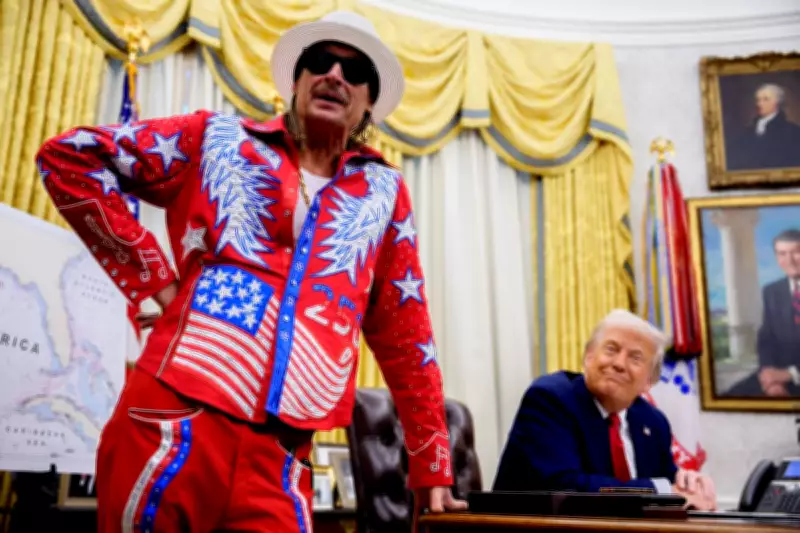
Kid Rock, the prominent right-wing rock musician and a close ally of former President Donald Trump, has publicly decried the recent settlement reached between Live Nation and the U.S. Department of Justice. The settlement abruptly concluded an antitrust trial that had only just begun earlier in March, leaving key witnesses like Kid Rock without the opportunity to testify.
Surprise Agreement Halts High-Profile Trial
In a surprising turn of events, the Justice Department announced a settlement with Live Nation on March 9, just one week into the trial. This move represented a sudden reversal from the department's earlier stance, articulated by attorney David Dahlquist on March 3, that the concert industry is "broken" and controlled by Live Nation as a monopolist.
Kid Rock conveyed his bewilderment to former Rolling Stone editor-in-chief Noah Shachtman, stating, "I don't understand why they would negotiate a settlement. Why not just let it see its course? Let's see what 12 people decide." His comments were featured in a New York Times essay examining how the settlement benefits Live Nation.

Background of the Legal Battle
The lawsuit against Live Nation, Ticketmaster's parent company, was originally initiated by Joe Biden's Justice Department in 2024. Upon re-entering office, President Trump permitted the department to continue pursuing the case. The Justice Department, joined by attorneys general from 39 states and Washington D.C., alleged that Live Nation abused its market dominance to create illegal monopolies in the entertainment industry.
Alongside Kid Rock, other notable figures such as Mumford & Sons' Ben Lovett and executives from various ticketing companies and aggrieved venues were prepared to testify in what promised to be a star-studded trial.
Terms of the Settlement Agreement
The settlement includes several key provisions aimed at addressing competition concerns:
- Live Nation will establish a $280 million settlement fund for the states involved in the lawsuit.
- Ticketmaster must open parts of its platform to other ticketing companies.
- Service fees are capped at 15% of the ticket price.
- Live Nation is required to withdraw from exclusive booking deals with 13 U.S. venues.
On Monday, Judge Arun Subramanian announced that three states—Arkansas, Nebraska, and South Dakota—have joined the Justice Department in accepting the settlement and withdrawing from the case. However, three dozen states remain in the lawsuit, expressing dissatisfaction with the agreement. Judge Subramanian has directed these states to engage in further settlement talks with Live Nation before allowing the trial to resume.
Divergent Reactions from Stakeholders
Live Nation has consistently defended its practices, with attorney David Marriott arguing in court that "every customer we get is a hard-fought battle in a competitive marketplace." The company maintains that Ticketmaster retains only about 5% of what concertgoers pay for tickets and denies being a monopoly.
Michael Rapino, President and CEO of Live Nation Entertainment, hailed the settlement as "a major step in improving the concert experience for artists and fans," emphasizing that it empowers artists and keeps costs affordable for fans.
In contrast, New York Attorney General Letitia James, a lead plaintiff in the case, criticized the settlement, stating it "fails to address the monopoly at the center of this case." She affirmed her commitment to continuing the lawsuit to protect consumers and restore fair competition in the live entertainment industry.
The settlement has thus sparked significant debate, highlighting tensions between regulatory efforts and industry practices, with Kid Rock's vocal criticism adding a notable political dimension to the ongoing legal saga.