Kremlin Confirms Ongoing US Contact as Russian Bombing Intensifies
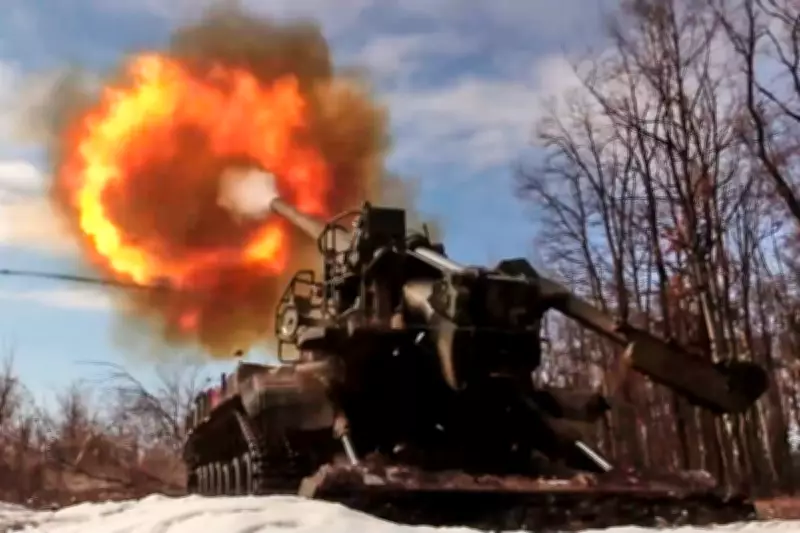
The Kremlin has confirmed it remains in contact with the United States regarding a potential resolution to the Ukraine conflict, even as Russia escalates its military campaign with heavy bombing and drone incursions. This diplomatic engagement occurs against a backdrop of renewed assaults, highlighting the complex interplay between warfare and negotiation efforts.
Zelensky Warns of Putin's Unwavering War Aims
Ukrainian President Volodymyr Zelensky has issued a stark warning, stating that the extensive Russian strikes demonstrate Vladimir Putin has no intention of ending the war. He urged for stronger international pressure on Moscow, emphasising the need for a unified global response to curb Russian aggression and support Ukraine's defence.
International Casualties and Regional Tensions Rise
In a tragic development, Zimbabwe reported that 15 of its citizens were killed while fighting for Russia in Ukraine. The African nation alleges these individuals were victims of human trafficking and deception, underscoring the war's far-reaching human cost and the exploitation of foreign fighters.

Meanwhile, Hungarian Prime Minister Viktor Orbán announced Hungary will gradually cut gas supplies to Ukraine until Russian oil deliveries resume through the damaged Druzhba pipeline. This move signals deepening regional tensions and economic pressures stemming from the conflict.
Military Dynamics: Russian Assaults and Ukrainian Defences
The UK Ministry of Defence has noted a significant increase in Russian mechanised assaults across the front lines. However, it also highlighted Ukraine's successful use of remote mines and uncrewed aerial systems to repel these advances, showcasing the effectiveness of innovative defensive strategies in countering traditional military force.
Russian drone incursions into Latvian and Estonian airspace further complicate the security landscape, raising concerns about NATO's eastern flank and the potential for broader regional instability.
As the war enters a critical phase, the combination of diplomatic overtures and intensified military actions paints a picture of a conflict with no clear end in sight, demanding continued vigilance and international cooperation.