Assassination of Top Iranian Security Chief Creates Power Vacuum
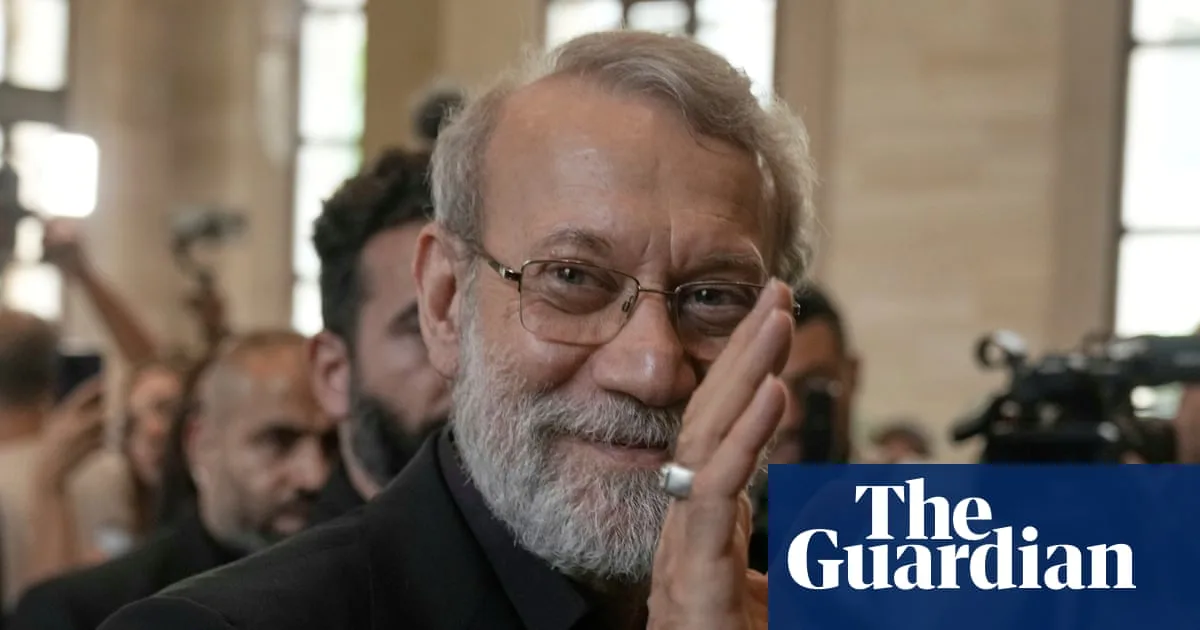
The death of Ali Larijani, Iran's most powerful security official, has plunged the nation's leadership into a significant crisis following targeted Israeli strikes in Tehran. Larijani, who led Iran's Supreme National Security Council, represents the highest-ranking Iranian figure eliminated since the death of Supreme Leader Ayatollah Ali Khamenei during the initial phase of the US-Israeli conflict with Iran.
Iranian authorities confirmed Larijani's death on Tuesday, despite earlier attempts to deny reports of his demise. In a curious move, Tehran released what they claimed was a handwritten letter from Larijani mourning fallen Iranian troops, apparently trying to prove he had survived the initial attack. However, a subsequent tribute posted on his official X account declared: "A servant of Allah has joined his Lord as a martyr."
Strategic Elimination and Immediate Fallout
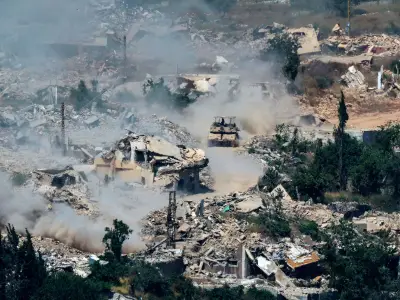
Israeli defense officials stated they eliminated Larijani during overnight strikes targeting "a hideout apartment" in Tehran. In a separate operation, Israel also confirmed the death of Basij paramilitary force commander Gholamreza Soleimani. These coordinated assassinations represent a significant escalation in the ongoing conflict between the regional powers.
Professor Maziyar Ghiabi, Director of the Centre for Persian and Iranian Studies at the University of Exeter, emphasized Larijani's unique position: "The expectation before his death was that following this war, Larijani might have occupied the leading role in leading negotiations and diplomacy to basically move from the end of the war to the next stage."
Ghiabi further noted that international powers including America, European nations, China, and Russia viewed Larijani as uniquely positioned to broker diplomatic solutions due to his authority and ability to "sell unsatisfactory diplomatic outcomes at home."
Leadership Void and Potential Successors
Despite Mojtaba Khamenei being named supreme leader following his father's death, Larijani had remained a pivotal figure and was widely regarded as Iran's de facto leader. With forty years of experience in senior Iranian government positions, his elimination creates a substantial power vacuum at a critical juncture.
Professor Ghiabi suggested that Speaker of the Iranian Parliament Mohammad Bagher Ghalibaf might emerge as a potential successor, though he noted significant limitations: "He is less capable, less of an intellectual, and has less of a religious pedigree. He also doesn't come from a religious family like Larijani does, and he doesn't come from a family with deep connections throughout the system, but he's still regarded as someone who could step up."
Defiant Rhetoric and Diplomatic Reality
In the week preceding his assassination, Larijani had posted a defiant message on X responding to threats from American leadership: "The sacrificial nation of Iran doesn't fear your empty threats. Even those bigger than you couldn't eliminate Iran. Be careful not to get eliminated yourself."
Despite this fiery public persona, Larijani maintained crucial diplomatic connections across Russia, China, and Gulf states, developed through decades of service in the IRGC, parliament, and Expediency Council. Professor Ghiabi described him as "a very strategic politician within the Islamic Republic" and "a very intelligent person with a degree in philosophy and a published author on philosophical matters."
Regime Resilience and Ongoing Vulnerabilities
Iranian Foreign Minister Abbas Araghchi dismissed concerns about a wider power vacuum, telling Al Jazeera: "I do not know why the Americans and the Israelis still have not understood this point: The Islamic Republic of Iran has a strong political structure with established political, economic, and social institutions."
Professor Ghiabi pointed to historical precedent, noting that during last year's 12 Day War with Israel, the killing of several senior Iranian officials did not provoke a systemic crisis: "They filled out the post very quickly. We expected the same after the surprise attack by the Americans and the Israelis three weeks ago, and the outcome of that was they got their things together quite quickly."
However, Ghiabi cautioned that each assassination represents a significant blow to the regime: "It means that the state has been infiltrated at very deep levels and that the military intelligence superiority of the Israelis and Americans is very clear. It means that the fight for survival goes on even more."
The elimination of Ali Larijani not only removes a key power broker from Iran's political landscape but also exposes the regime's vulnerabilities to targeted strikes, potentially reshaping both domestic power structures and international diplomatic calculations in the ongoing conflict.