In a significant escalation of diplomatic tensions, the West African nations of Mali and Burkina Faso have announced an immediate ban on entry for United States citizens. This move is a direct act of retaliation against the US government's recent decision to impose travel restrictions on their own nationals.
The Principle of Reciprocity in Action
The announcements were made late on Tuesday, 31st December 2025, in separate official statements from the foreign ministries of both countries. The Malian Ministry of Foreign Affairs and International Cooperation declared that, "with immediate effect," it would apply identical conditions and requirements to American citizens as those faced by Malians seeking to enter the US.
Burkina Faso's Foreign Minister, Karamoko Jean-Marie Traoré, issued a parallel statement citing the same reasons for imposing the ban on American nationals. The core justification from both nations was the principle of reciprocity, a standard diplomatic response when one country perceives its citizens are being unfairly targeted.
Background: Trump's Expanded Travel Restrictions
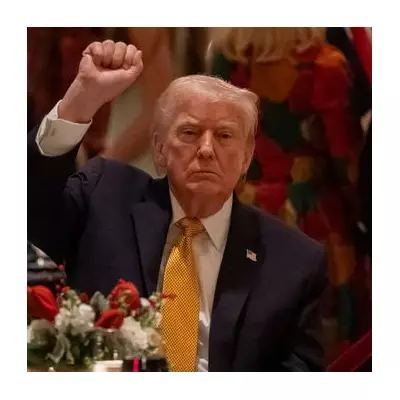
This retaliatory action stems from a policy move by US President Donald Trump on 16th December 2025. On that date, the Trump administration expanded existing travel restrictions to include an additional 20 countries. Among those newly listed were Mali, Burkina Faso, and their neighbour Niger.
All three nations are currently governed by military juntas that seized power from civilian governments. They have also formed a breakaway alliance, distancing themselves from the main regional political and economic bloc, the Economic Community of West African States (ECOWAS). The White House pointed to persistent attacks by armed groups as a primary reason for including these countries in the travel ban.
Security Challenges and Regional Dynamics
The security situation in the Sahel region provides crucial context. Both Mali and Burkina Faso have struggled for years to contain the rapid spread of violent armed groups, a primary reason cited by their military governments for deposing the previous civilian administrations. Despite vows from the juntas to combat this insecurity, the threat persists, destabilising much of the region.
This tit-for-tat travel ban marks the latest twist in the increasingly frosty relationship between the United States and the military-led governments in West Africa. It underscores a growing diplomatic rift, where punitive measures are being met with swift and equivalent responses, further complicating international cooperation and security efforts in the volatile Sahel.