Middle East Conflict Death Toll Exceeds 1,100 as Operation Epic Fury Continues
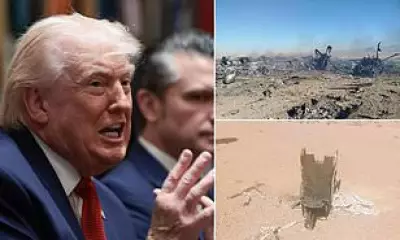
The death toll across the Middle East has now surpassed 1,100 individuals as missile strikes and military operations persist in the ongoing regional conflict. Operation Epic Fury, the offensive launched by the United States and Israel against Iran on 28 February, currently has no specified end date, with President Donald Trump notifying Congress that the full scope and duration of necessary military actions remain uncertain at this time.
Operation Epic Fury Enters Prolonged Phase
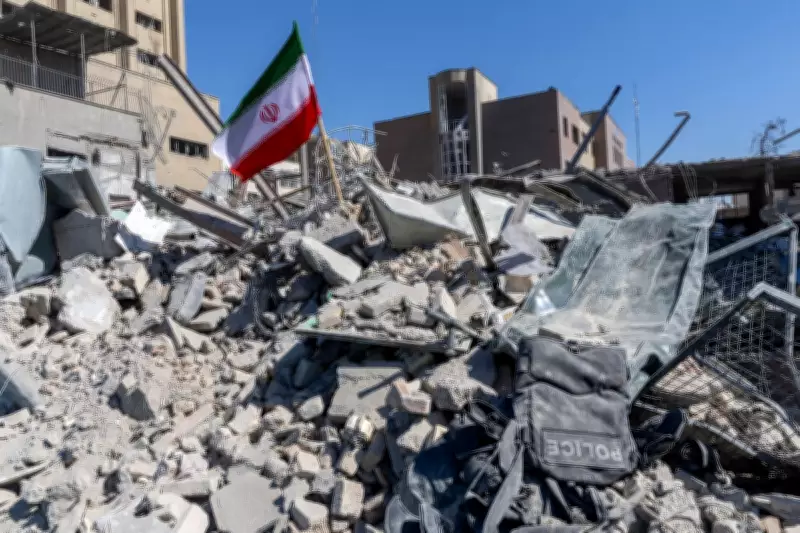
Hundreds of people have been killed since the initiation of Operation Epic Fury, which has rapidly drawn in Gulf states hosting US military bases and personnel, as well as Lebanon, into the escalating hostilities. The offensive, dubbed Operation Epic Fury, has completed what has been described as '100 hours' of intense military engagement, with the US vowing to 'finish this war' despite the lack of a clear conclusion timeline.
In his formal notification to Congress, President Trump emphasized that while the United States seeks a quick and enduring peace, it is currently impossible to predict the complete extent and length of the military operations that may be required. This statement underscores the fluid and unpredictable nature of the conflict as it enters a more prolonged phase.

Casualty Reports from Involved Nations
The following death tolls have been reported by the involved countries as of 5 March, though these figures have not been independently verified by external sources:
- Iran: 1,045 people killed, according to the Iranian Red Crescent Society. This total includes 175 schoolgirls and staff members who perished in a missile strike on a primary school in Minab, located in the south of the country, on the first day of the war. It remains unclear whether the overall death toll incorporates casualties from the Islamic Revolutionary Guard Corps military forces.
- Israel: 10 civilians killed, as reported by Israel's ambulance service, Magen David Adom. Nine of these fatalities occurred in an Iranian missile strike on Beit Shemesh near Jerusalem on 1 March. The Israel Defense Forces have not reported any military casualties at this time.
- Lebanon: 77 people killed in Israeli strikes, according to the Lebanese health ministry.
- Bahrain: One person killed after a fire erupted in Salman Industrial City in the coastal town of Al Hidd following missile interception activities, as stated by the country’s interior ministry.
- Kuwait: Three people, including two Kuwaiti soldiers, killed in Iranian attacks on the nation, according to Kuwait's health and foreign ministries.
- Oman: One person killed after a projectile struck the Marshall Islands–flagged product tanker MKD VYOM off the coast of Muscat.
- United Arab Emirates: Three people killed, as confirmed by the UAE's defence ministry.
- United States: Six military service members were killed in a strike on a facility in Kuwait, according to US Central Command.
- Syria: Four people were killed when an Iranian missile hit a building in the southern Syrian city of Sweida on Saturday, as reported by the state news agency SANA.
These casualty figures highlight the widespread and devastating impact of the conflict across the region, affecting both military personnel and civilians in multiple nations. The involvement of various countries underscores the complex and interconnected nature of the hostilities, with Gulf states, Lebanon, and Syria becoming entangled in the fighting alongside the primary belligerents.
Humanitarian and Strategic Implications
The significant death toll, particularly the high number of civilian casualties including schoolchildren, raises serious humanitarian concerns and questions about the conduct of the war. The attack on the primary school in Minab, Iran, represents one of the most tragic incidents reported so far, emphasizing the peril faced by non-combatants in the conflict zone.

Strategically, the continuation of Operation Epic Fury without a defined end date suggests a potentially protracted engagement, with the US commitment to seeing the conflict through to its conclusion. The drawn-in involvement of Gulf states and other regional actors further complicates the geopolitical landscape, potentially leading to broader instability if the hostilities persist.
As the situation develops, international observers and humanitarian organizations will be closely monitoring the verification of casualty reports and the overall trajectory of the conflict. The lack of independent verification for the current death tolls adds a layer of uncertainty to the understanding of the war's true human cost.