Russia Sends Upgraded War Drones to Iran, Officials Confirm
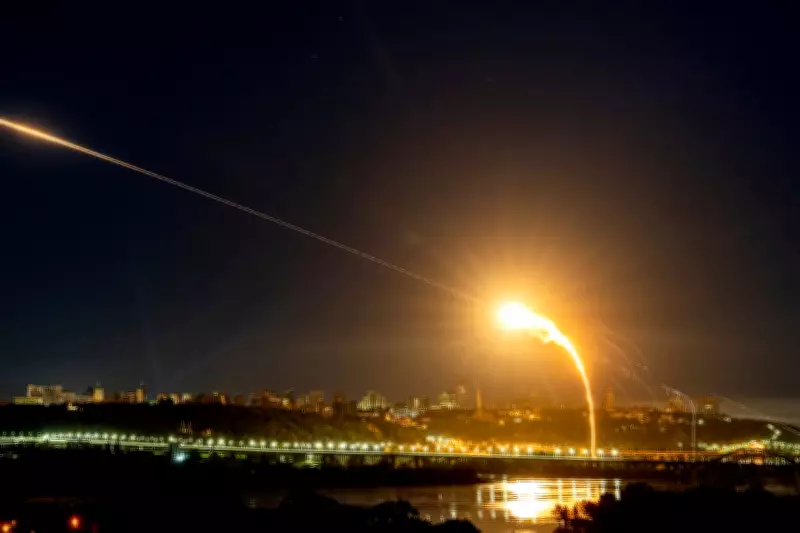
U.S. and European officials have informed The Associated Press that Russia is dispatching a shipment of drones to Iran, featuring enhanced versions of the drone technology originally supplied by Tehran to Moscow following the invasion of Ukraine. This development occurs as Iran has been launching drone barrages at Israel, Gulf neighbours, and U.S. bases across the Middle East for over a month, in response to U.S. and Israeli attacks.
Details of the Drone Transfer
According to a European intelligence official, Russian and Iranian officials have engaged in "very active" discussions this month regarding the transfer of drones from Russia to Iran. A U.S. defense official noted it is unclear whether this shipment is a one-time delivery or part of a series, with neither official able to specify the significance or quantity of drones involved. Another European official suggested that a small number of drones would not substantially impact the war's outcome, with all officials speaking anonymously due to the sensitivity of the matter.
The U.S. defense official highlighted that Moscow's motivation for providing Tehran with more advanced drones remains ambiguous, as each munition sent to Iran reduces Russia's capacity to target Ukraine. U.S. Secretary of State Marco Rubio commented in Paris after a Group of Seven meeting, stating that Russia's actions do not impede U.S. operations, though the White House and Pentagon declined to comment further.

Transport and Logistics
A European official indicated that intelligence suggests a drone shipment is en route, but the exact transportation method is unconfirmed. It is speculated that drones could be concealed within convoys of trucks labelled as humanitarian aid, which have travelled from Russia to Iran via Azerbaijan. Reports from the Russian Embassy in Baku and Russia's Emergency Ministry detail deliveries of food, medicine, and other aid to Astara in northern Iran, though drone contents are not officially acknowledged.
A second European official added that if drones are being transported by truck, the numbers are likely small and may serve as a symbolic gesture to maintain Moscow-Tehran relations. This official also mentioned that Moscow is assisting Iran with targeting capabilities.
Intelligence Sharing and Historical Context
The U.K.'s latest defense intelligence assessment confirms that Russia has provided training and intelligence to Iran, including on drones and electronic warfare, prior to the Middle East conflict. Iran is reciprocating by sharing information "quite generously" with Russia, according to a European intelligence official, who noted that Russian officials were aware of Iranian security official Ali Larijani's death before it was publicly known.
However, the relationship has faced strains; Iranian officials felt "deeply disappointed" after Russia did not assist during Iran's 2025 conflict with Israel, which led to a U.S. attack on Iranian nuclear sites. Kremlin spokesman Dmitry Peskov dismissed reports of drone supplies as "false news stories."
Technological Advancements and Production
Following a $1.7 billion deal signed after President Vladimir Putin's 2022 invasion of Ukraine, Russia began using Iranian Shahed drones, initially shipped disassembled before establishing a production line at the Alabuga plant in Tatarstan. This facility has expanded rapidly, recruiting workers including African women who claim they were deceived into drone manufacturing.
Russian specialists have upgraded the Shahed drones by creating decoys without explosives to overwhelm air defenses and incorporating jet engines, cameras, advanced anti-jammers, radio links, AI computing platforms, or Starlink internet devices. Drone debris found in Ukraine indicates further collaboration, with exchanges in anti-jamming systems and jet-powered engines also used in Iran's cruise missiles.

Potential Implications and Challenges
The U.S. official expressed uncertainty about which drone versions are being shipped to Iran. Earlier this year, Ukrainian officials reported that Russian troops lost access to Starlink terminals after Ukraine requested SpaceX to deny service, impairing command-and-control capabilities. Moscow might be transferring Starlink-capable drones to Iran due to difficulties in Ukraine, or providing jet-propelled variants with AI piloting or reconnaissance cameras.
Advanced drones could challenge U.S. and allied interception abilities in the Middle East, depending on the quantity and application of the technology. Jet-propelled drones, being faster, are harder to counter with existing anti-drone systems without resorting to costly high-end weapons.
AP Diplomatic Writer Matt Lee in Paris contributed to this report.