Spain Emphatically Denies US Assertions of Changed Position on Iran Conflict
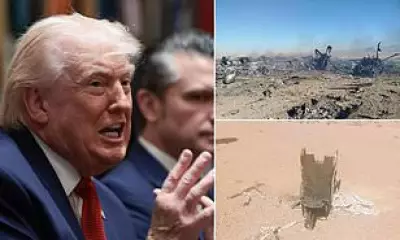
Spain has issued a strong and unequivocal dismissal of suggestions from the United States that it has altered its view on the Iran war and is now prepared to allow the US military to utilise its bases in support of the ongoing mission. The controversy erupted following comments from White House Press Secretary Karoline Leavitt, who indicated to reporters that Madrid had shifted its stance after facing public criticism from former President Donald Trump.
White House Comments Spark Diplomatic Tensions
During a news briefing, Leavitt suggested that Spain now backs US military action in the region, stating, "I think they heard the president's message yesterday loud and clear. It is my understanding over the past several hours they've agreed to cooperate with the US military." This assertion came after Trump threatened to "cut off all dealings with Spain" in response to what he perceived as insufficient support.
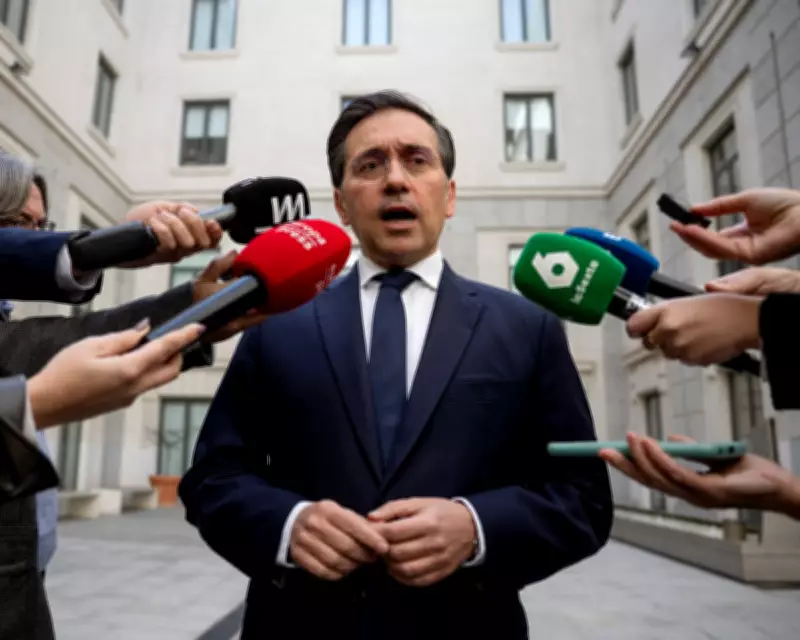
However, Spanish officials have categorically rejected this characterisation. Foreign Minister José Manuel Albares responded sharply in an interview with Cadena Ser radio, declaring, "Our 'no to war' stance remains clear and unequivocal. She may be the White House press secretary, but I'm the foreign minister of Spain and I'm telling her that our position hasn't changed at all." This forceful rebuttal underscores the diplomatic rift between the two nations.

Broader European Context and Regional Developments
Amid this dispute, European Union foreign ministers convened virtually to discuss the escalating situation in the region. Numerous countries have initiated evacuation flights for their citizens, with some utilising military aircraft to facilitate these operations. Additionally, there are growing indications that more nations may decide to deploy reinforcements to support EU ally Cyprus, with Germany reportedly considering such a move.
The Spanish government's reaffirmation of its anti-war policy highlights the complex geopolitical dynamics at play, as European allies navigate their responses to the conflict while maintaining diplomatic relations with the United States. This incident illustrates the ongoing challenges in international coordination and the potential for miscommunication between global powers.