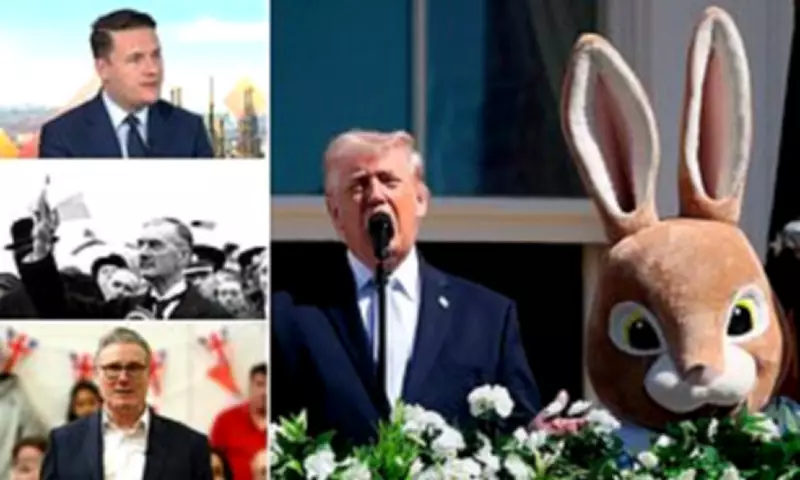
Wes Streeting Condemns Trump's Iran War Strategy as Transatlantic Ties Fray
Health Secretary Wes Streeting has delivered a sharp rebuke to former US President Donald Trump over his handling of the ongoing Iran war, highlighting growing strains in the Transatlantic 'special relationship'. In a pointed intervention, Streeting asserted that Prime Minister Keir Starmer's decision to keep Britain out of the conflict is being vindicated daily, following Trump's latest verbal assault on the UK leader.
Trump's Neville Chamberlain Comparison
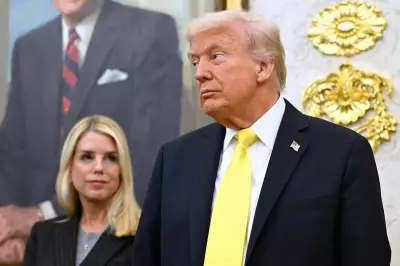
The controversy erupted after Trump used a White House appearance featuring a giant Easter Bunny to draw a provocative parallel between Sir Keir and Neville Chamberlain. The former prime minister is historically remembered for his policy of appeasement towards Nazi Germany in the 1930s. During the event, Trump told reporters: 'We won't want another Neville Chamberlain, do we agree? We don't want Neville Chamberlain.' Although the exact context of his remarks remained unclear, Trump added that the UK had 'a long way to go'.
Streeting's Robust Defense of Starmer
Speaking to Sky News, Mr Streeting offered a robust defense of the Prime Minister's position. 'There has not been a single day that has passed in this war with Iran where I have not felt that the PM has been entirely vindicated for his judgement in keeping Britain out of the war in Iran,' he declared. The Health Secretary emphasized that Sir Keir deserves 'enormous credit' for resisting pressure to join the US-led offensive, which has now entered its sixth week.

War Crime Concerns Over Civilian Infrastructure Threats
Mr Streeting also addressed Trump's repeated threats to target Iranian civilian infrastructure, including power plants and bridges. The Health Secretary stated that the United States must 'justify its actions' if such attacks proceed, noting that experts have warned these actions could constitute war crimes. Trump reinforced these threats during Monday's event, setting a deadline for Iran to reopen the Strait of Hormuz—a critical waterway whose closure has sent global energy prices soaring.
Broader Diplomatic Context
The diplomatic spat unfolds against a complex backdrop:
- The King is preparing for a state visit to the United States as part of celebrations marking 250 years since American independence, despite calls from some politicians to cancel the trip.
- Trump has repeatedly attacked not only the Prime Minister but also the UK's military and other NATO allies for refusing to assist in the Iran conflict.
- The former president claimed to have achieved 'regime change' by eliminating Iran's previous leaders, including former Supreme Leader Ayatollah Ali Khamenei, asserting that current Iranian negotiators are 'much more reasonable'.
- However, some experts counter that removing the previous ayatollah has actually empowered a more hardline faction in Tehran.
UK's Firm Stance on Non-Involvement
The UK government has reiterated its commitment to avoiding offensive operations against Iran. Prime Minister Starmer has vowed not to 'buckle under pressure' or allow Britain to be 'dragged into the war'. This firm stance comes despite Trump's expletive-laden social media posts and public ultimatums, which have sparked widespread accusations that the former president is threatening to commit war crimes.
As the special relationship continues to show signs of significant strain, Streeting's comments underscore the deepening divide between British and American approaches to the Iran conflict, with London prioritizing diplomatic caution over military escalation.