Trump Announces Historic Israel-Lebanon Talks Amid Ongoing Conflict
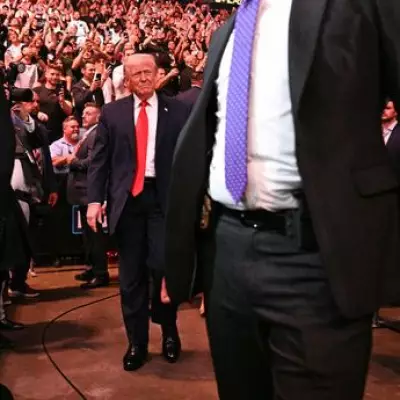
US President Donald Trump has revealed that Israeli and Lebanese leaders will engage in historic discussions later on Thursday, marking a significant diplomatic development even as Israel continues its airstrikes in southern Lebanon. In a midnight post on Truth Social, Trump stated, "It has been a long time since the two leaders have spoken, like 34 years. It will happen tomorrow." This announcement follows the first direct diplomatic talks between Lebanon and Israel in decades, held in Washington on Tuesday, amidst over a month of war between Israel and the Iran-backed Hezbollah militant group.
According to Lebanon's health ministry, Israeli strikes have resulted in at least 2,124 fatalities and displaced more than one million people. The deadliest incident occurred last week when Israel launched 100 airstrikes across Lebanon within 10 minutes, including in the capital, killing over 350 individuals. Despite Hezbollah's outright rejection, these talks represent a major step for two nations with no diplomatic relations, officially at war since Israel's establishment in 1948.
White House Optimistic on Iran Deal as Pakistan Mediates
Concurrently, the White House has expressed optimism regarding a potential deal to end the war with Iran. White House Press Secretary Karoline Leavitt told reporters, "We feel good about the prospects of a deal." However, Leavitt clarified that reports suggesting the US has requested an extended ceasefire in the Iran war are inaccurate. The current ceasefire, described as fragile, is set to expire next week.

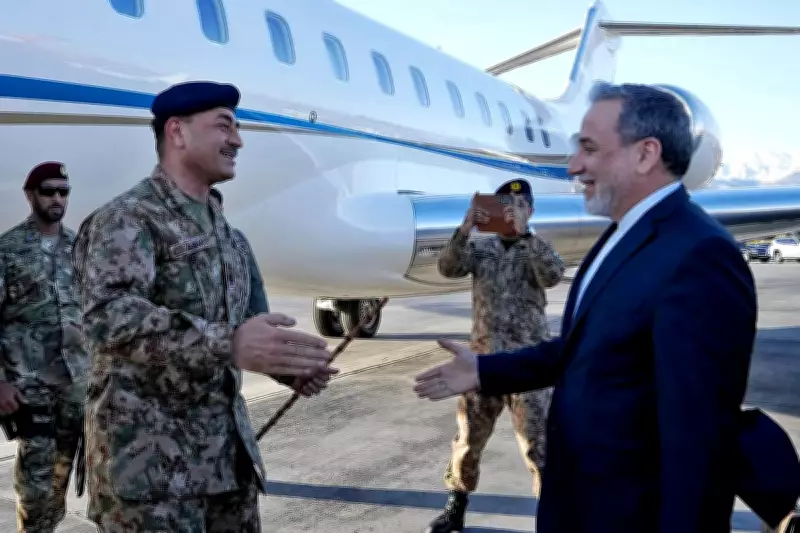
In a diplomatic effort, Pakistan's army chief, Field Marshal Asim Munir, arrived in Tehran to revive peace talks between the US and Iran. Iranian Foreign Minister Abbas Araghchi welcomed Munir, emphasizing Pakistan's role in hosting dialogue and their shared commitment to regional peace and stability. Talks are scheduled to continue on Thursday to discuss messages exchanged between Tehran and Washington since peace negotiations faltered last weekend.
US Enforces Naval Blockade on Iranian Ports
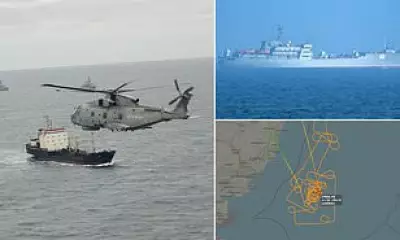
The United States has implemented a naval blockade on Iranian ports, with vessels patrolling the Gulf of Oman. Admiral Brad Cooper, head of US Central Command, announced that Trump's forces have "completely halted economic trade going in and out of Iran by sea." During the blockade's first 48 hours, which began on Monday, no vessels have successfully passed US forces, with 10 ships complying with directions to turn back toward Iranian ports or coastal areas.
Central Command stated that the blockade is being enforced "impartially against all vessels of all nations entering or leaving coastal areas or ports in Iran," while vessels avoiding Iranian ports remain unaffected. This move aims to increase economic pressure on Tehran, with the White House warning of further measures if Iran remains defiant.
Oil Prices Fall Amid Hopes for Eased Tensions
Oil prices experienced a decline in early trading as hopes for reduced US-Iran tensions outweighed concerns over ongoing supply disruptions. Brent crude futures dropped 44 cents, or 0.5 percent, to $94.49 a barrel, while US West Texas Intermediate crude futures fell 70 cents, or 0.8 percent, to $90.59 a barrel. This drop follows reports that Iran might allow ships to pass through the Strait of Hormuz, a critical chokepoint for global oil shipments.
A Quinnipiac University poll revealed that 65 percent of US voters blame President Trump for high gas prices amid the war, with Americans paying over $4 per gallon at the pump. Iran's closure of the Strait of Hormuz after US and Israeli strikes began on February 28 has contributed to surging oil prices.
International Reactions and Ongoing Violence
China has urged Iran to restore normal navigation in the Strait of Hormuz, with Foreign Minister Wang Yi emphasizing the need to respect Iran's sovereignty while ensuring freedom and safety of navigation. Wang described the current situation as reaching a "critical stage between war and peace," highlighting the international community's call to restore normal strait operations.

On the ground, Israeli strikes in Lebanon have targeted medical personnel, with paramedic groups reporting a fourth Lebanese rescue worker killed after three consecutive strikes yesterday that wounded six others. The attacks hit multiple groups of medics responding to distress calls in the southern village of Mayfadoun. The Israeli military has previously accused Hezbollah of using ambulances as cover for militant activities, though no evidence has been provided.
In Tehran, Iranians participated in anti-US and anti-Israel rallies during the ceasefire, reflecting ongoing tensions. Meanwhile, analysis of Iran's military capabilities indicates that despite six weeks of US and Israeli bombardment degrading nuclear facilities and parts of its military, Iran's offensive strengths have been built over nearly 50 years of conflict, shaping the potential trajectory of Operation Epic Fury.