Trump Insists Iran Strikes Were Unexpected Despite Prior Intelligence Briefings
President Donald Trump has publicly claimed that no one could have anticipated Iran's retaliatory strikes against multiple Middle Eastern countries, directly contradicting reports that his administration received intelligence warnings about such potential outcomes.
Contradiction Between Public Statements and Intelligence Reports
According to Reuters, Trump was briefed on the possibility that Iran might retaliate against Gulf allies following U.S. military operations. A U.S. official and two sources familiar with the matter confirmed these pre-conflict intelligence assessments, which indicated that strikes against countries like Qatar, Saudi Arabia, UAE, Bahrain, and Kuwait were "on the list of potential outcomes" though not guaranteed.
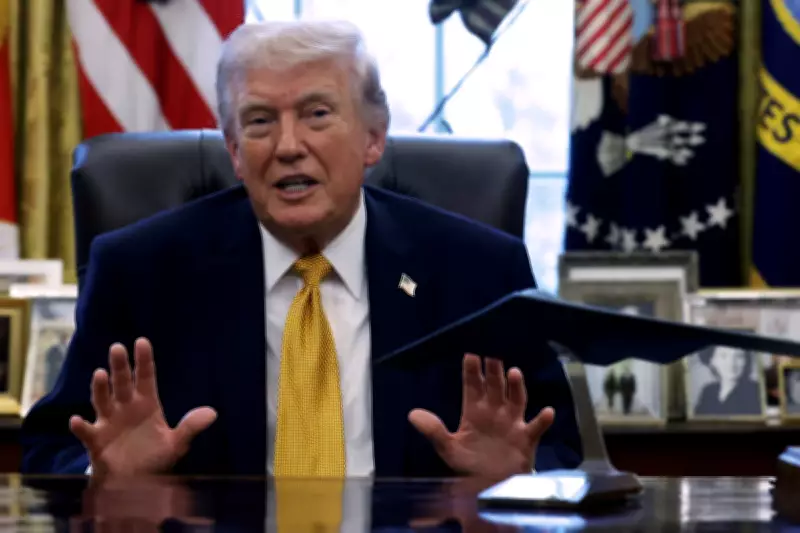
"They weren't supposed to go after all these other countries in the Middle East," Trump declared during a Kennedy Center board meeting on Monday. "Those missiles were set to go after them. So, they hit Qatar, Saudi Arabia, UAE, Bahrain, Kuwait. Nobody expected that. We were shocked."

Persistent Denials of Foreknowledge
When questioned later that same day about whether he had been briefed on the possibility of such attacks, Trump responded emphatically: "Nobody, nobody, no, no, no. The greatest experts, nobody thought they were going to hit."
This contradicts earlier Reuters reporting from late last month indicating Trump received briefings characterizing the military operation against Iran as "high-risk, high-reward." Those assessments reportedly outlined risks of U.S. casualties and highlighted potential geopolitical shifts that could favor American interests.
Mounting Casualties and Divided Public Opinion
The conflict has resulted in significant American losses, with at least 13 U.S. service members killed and 200 wounded since hostilities began. Recent polling reveals a divided American public regarding the ongoing military campaign.
- A Washington Post survey found 42% of Americans support the military campaign against Iran
- 40% oppose the operations
- 17% remain uncertain about their position
- Approximately 42% believe the strikes should end
- 34% want military actions to continue
Unverified Claims About Former Presidents
During his Monday remarks, Trump also made controversial claims about conversations with a former president, stating: "I've spoken to a certain president, who I like, actually. A past president, a former president. He said, 'I wish I did it.' But they didn't do it. I'm doing it."
However, representatives for all four living former presidents have denied these conversations occurred when contacted by multiple media outlets. Trump declined to identify which former president he allegedly spoke with, stating: "I can't tell you that. I don't want to embarrass him. It would be very bad for his career, even though he's got no career."
The White House has not responded to requests for comment regarding the apparent discrepancy between Trump's public statements and the intelligence warnings reportedly provided to his administration before Iran's retaliatory strikes across the Middle East.