UN General Assembly Passes Landmark Resolution on Slavery Reparations
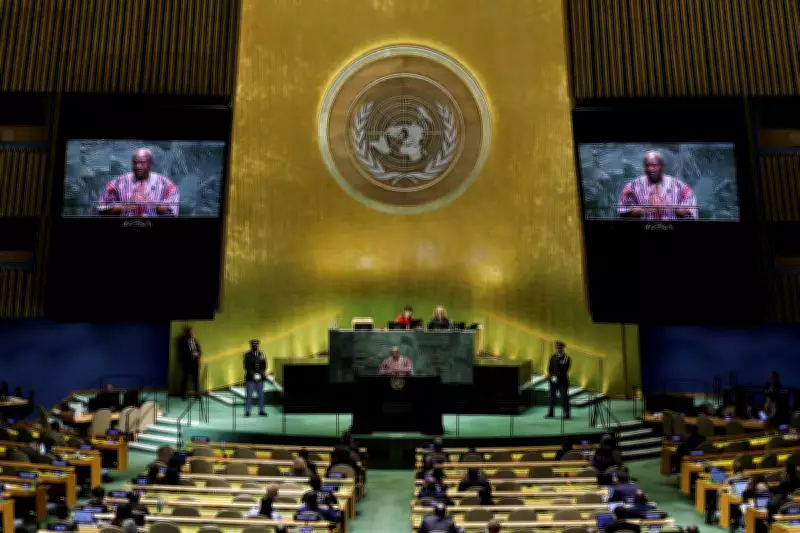
The United Nations General Assembly has formally adopted a historic resolution that recognises the transatlantic trafficking of enslaved Africans as "the gravest crime against humanity." This significant measure, which passed on Wednesday 25 March 2026, calls for reparations to address the enduring historical injustices stemming from centuries of slavery and colonialism.
Vote Breakdown and International Positions
The resolution garnered strong support, with 123 member states voting in favour. However, it faced opposition from Argentina, Israel, and the United States, while 52 countries chose to abstain. Notably, the United Kingdom was among those abstaining, a decision that has drawn attention given its historical role in the slave trade. The resolution also urges the prompt and unhindered restitution of cultural artefacts to their countries of origin without any financial charge, aiming to rectify cultural losses inflicted during colonial eras.
Key Advocates and Global Implications
Ghana's President John Dramani Mahama, a pivotal architect of the resolution, emphasised its critical role in safeguarding collective memory and actively pursuing reparative justice. He stated that the measure is a vital step toward acknowledging past atrocities and fostering reconciliation. This development follows recent expressions of regret, such as Prince William's "profound sorrow" over slavery during his visit to Jamaica, highlighting ongoing international discourse on historical accountability.

The resolution's passage underscores a growing global movement to address the legacies of slavery, though the abstentions and oppositions reveal persistent diplomatic divisions. Advocates argue that reparations are essential for healing and equity, while critics often cite practical and political challenges. The call for artefact restitution adds a cultural dimension, pressing museums and institutions worldwide to reconsider their holdings.
As nations grapple with these complex issues, the UN vote marks a pivotal moment in the ongoing struggle for justice and recognition, setting a precedent for future actions on historical wrongs and their contemporary repercussions.