UK Commandos Authorised to Seize Russian Shadow Fleet Oil Tankers
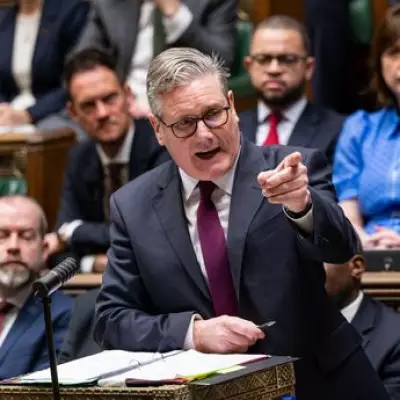
British Prime Minister Keir Starmer has granted the United Kingdom military explicit permission to board and detain Russian vessels identified as part of a clandestine network enabling Moscow to export oil while evading Western sanctions. This aggressive new directive aims to directly target the financial lifeline sustaining President Vladimir Putin's ongoing war in Ukraine.
Starmer's Decisive Action Against Sanctions Evasion
In a firm statement, Prime Minister Starmer declared that President Putin was likely "rubbing his hands" at the recent surge in global oil prices, exacerbated by the US-Israel conflict with Iran. "That's precisely why we're intensifying our pursuit of his shadow fleet," Starmer asserted. "Our objective is twofold: safeguarding Britain's security and systematically starving Putin's war machine of the illicit profits that bankroll his barbaric campaign in Ukraine."
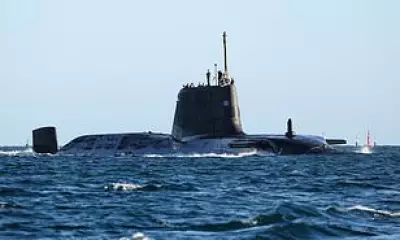
British military and law enforcement agencies are now preparing for potential boarding operations against Russian vessels that refuse to surrender, are found to be armed, or employ sophisticated surveillance technology to avoid capture. This marks a significant escalation in the West's physical enforcement of sanctions.

Understanding Russia's Shadow Fleet
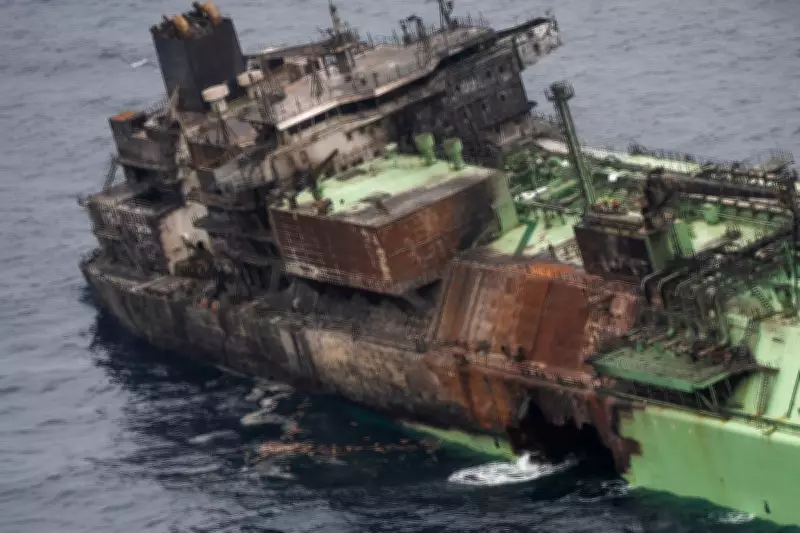
The so-called shadow fleet comprises a network of foreign-flagged oil tankers with opaque ownership structures, often ageing and poorly regulated vessels prone to spills and mechanical failures. The United Kingdom accuses Russia of utilising this fleet to continue profiting from its energy exports despite comprehensive international restrictions imposed following the 2022 invasion of Ukraine.
Analysts estimate Russia has acquired approximately 155 tankers and 435 total ships since sanctions took effect. According to analytics firm Kpler, this shadow fleet moves roughly 3.7 million barrels of oil per day, representing about 65% of Russia's seaborne trade and generating up to $100 billion annually. The UK government has already sanctioned over 500 vessels suspected of being part of this network.
Evasion Tactics and International Response
The fleet employs numerous tactics to avoid detection and accountability. These include conducting ship-to-ship transfers in international waters with minimal monitoring, using falsified identification numbers, spoofing location data, and registering under flags of convenience from countries with lax oversight. Most tankers are owned by shell companies, complicating efforts to establish legal accountability.
European nations have recently intensified efforts to disrupt these operations. In March, the French Navy intercepted the Deyna, a suspected shadow fleet tanker sailing under the Mozambique flag. French President Emmanuel Macron condemned such vessels as "war profiteers" directly financing Russia's military campaign.
Gonzalo Saiz Erausquin of the Royal United Services Institute (RUSI) highlighted the persistent challenges, noting, "The ownership is very opaque." He warned that while enforcement actions disrupt operations, they risk merely pushing Russia to establish new alternative structures or jurisdictions through practices like "flag hopping."
Fuelling the War in Ukraine
Russia remains the primary beneficiary of shadow fleet exports, according to Ukraine, the UK, and France. While European nations have sought alternative energy suppliers, China and India continue purchasing substantial quantities of Russian crude, albeit at significant discounts. The recent US-Israel conflict with Iran and subsequent disruption in the Strait of Hormuz pushed oil prices above $100 per barrel, further enriching Moscow.
The Financial Times reports that Russia has gained an additional $150 million daily from rising oil prices since the war began. Earlier this year, a UK government source revealed that Britain was considering using confiscated oil from seized shadow fleet vessels to directly fund Ukraine's military, creating a "double impact" strategy against Russian exports.

Legal Complexities and Future Steps
The legal basis for seizing ships is complex, governed by the UN Convention on the Law of the Sea, which typically permits seizure only in cases of piracy. Consequently, European nations are exploring novel legal frameworks to justify stopping and boarding these vessels. Ukrainian President Volodymyr Zelensky has confirmed collaboration with European partners to establish legal mechanisms for blocking such ships and confiscating their cargo.
As the shadow fleet continues to evolve, replacing blacklisted vessels with older, cheaper tankers often lacking proper Western insurance or safety certifications, the international community faces an ongoing challenge. The concerted effort led by the UK under Prime Minister Starmer represents a bold new phase in the economic and maritime battle against Russia's war funding.