UK Evacuation Flight Grounded Amid Iran Crisis, Stranding 180 Britons
The first UK government evacuation flight for 180 British nationals stranded in the Middle East has failed to take off as the regional crisis spirals. Technical issues kept the chartered aircraft grounded in Muscat, Oman, overnight, despite plans for a Wednesday departure.
Flight Delays and Consular Challenges
The Foreign Office confirmed the flight was scheduled to leave Oman's capital late on Wednesday but remained on the tarmac due to unresolved technical problems. Ministers now hope it can depart on Thursday to evacuate Britons from the volatile region.
This setback comes as the Foreign Office confronts its largest consular crisis since the Covid pandemic, with approximately 138,000 British nationals registered in the Middle East. The vast majority—112,000—are based in the United Arab Emirates.

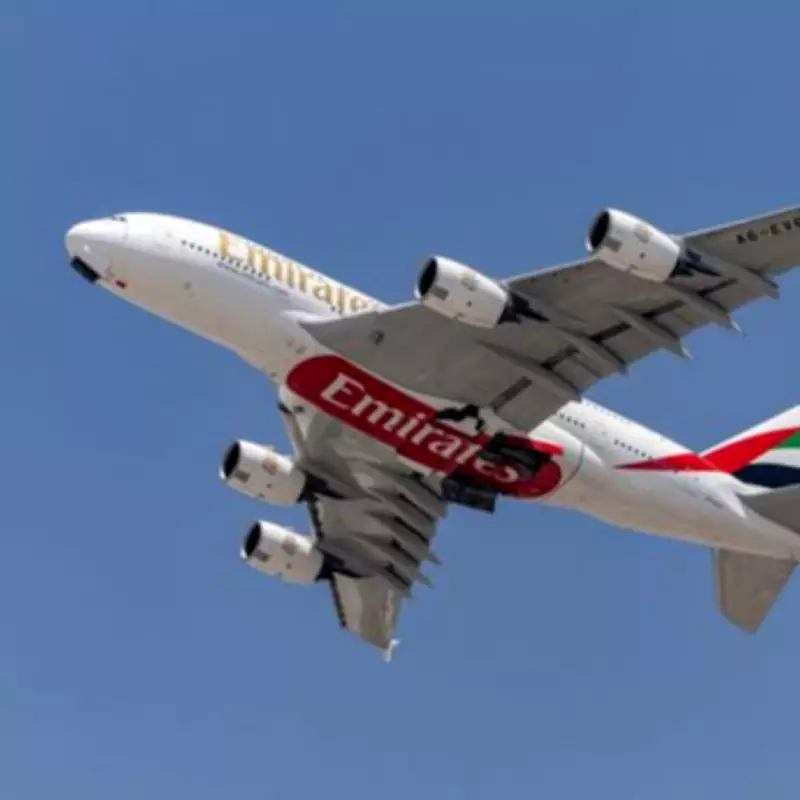
Most stranded individuals will need to secure seats on commercial flights. The Prime Minister informed MPs that over 1,000 British nationals returned to the UK on commercial flights from the UAE on Tuesday alone. Eight additional commercial flights were scheduled to depart the UAE on Wednesday.
Government and Diplomatic Efforts
Foreign Secretary Yvette Cooper has met with executives from Emirates and British Airways to increase flight availability. Meanwhile, Foreign Office minister Hamish Falconer summoned the Iranian ambassador to condemn Iran's attacks, which he warned threaten hundreds of thousands of British citizens in the region.
Falconer stated, "We know that airspace closures and restrictions are making it extremely hard for British people to get home. It's why the government and our embassies are working intensively with airlines, travel companies and regional governments to find safe routes home for people."
He added that officials are working around the clock, having taken over 4,000 calls since the conflict erupted. "Due to the volatility of the situation, circumstances on the ground may remain challenging for some time," Falconer cautioned.
Personal Accounts of Stranded Travellers
Shelagh Knight, a 69-year-old pensioner from Bristol, was among those reunited with relatives at Heathrow on Wednesday after being stranded in Dubai for four days. She described seeing missiles from her hotel pool and being terrified by nighttime alarms.
"It was the alarms at night that used to really freak us out. I was very scared," Knight said. "I was on my own, but I made some amazing friends. We call ourselves the hopeful survivors."
Her son, Stephen Knight, 43, noted the psychological toll: "I imagine it was quite scary, with the alarms going and not being able to relax, not having any sort of north star in terms of target flight."
Lee Smart, 36, and partner Nina Luminati, 35, from Thornton Heath, also returned to Heathrow after sleeping on chairs in Dubai airport. Stranded while traveling from a wedding in India, Smart praised the UAE government's handling of the situation despite the chaos.
"It was pretty calm in the city, despite everything that was going on. I think the UAE government did an amazing job to be honest," he remarked.
Broader Context and Future Plans
Keir Starmer had previously promised two additional government-chartered flights to rescue Britons trapped in the region "in the coming days." The ongoing crisis underscores the complexities of large-scale evacuations amid geopolitical tensions and logistical hurdles.
As airspace restrictions persist, the UK government continues to prioritize safe repatriation for its citizens, balancing diplomatic pressures with urgent consular needs in one of the most significant overseas emergencies in recent years.