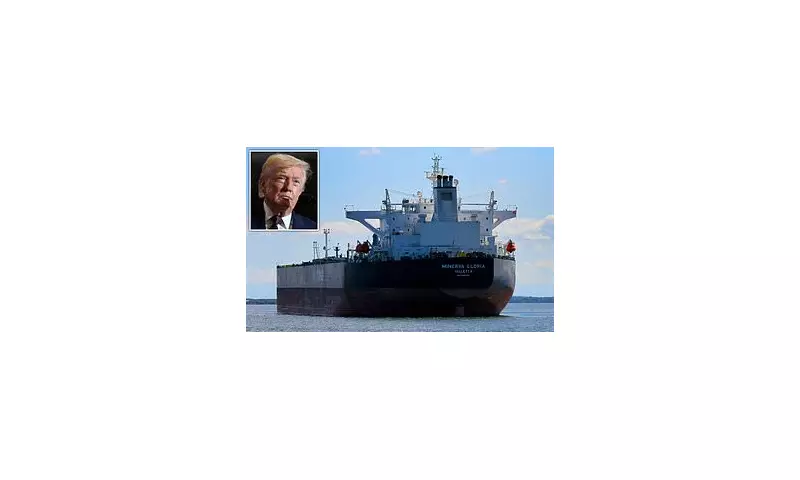
The United States Coast Guard is spearheading the seizure of another oil tanker in international waters off the coast of Venezuela, according to reports from three unnamed US officials. This marks the second such interdiction in a week, as tensions between Washington and Caracas reach a new peak under the Trump administration.
Escalation to a 'Total Blockade'
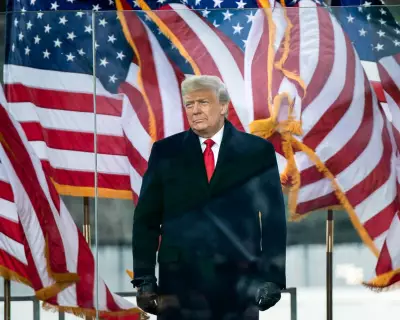
The latest maritime seizure follows President Donald Trump's dramatic declaration that the Venezuelan government is a foreign terrorist organisation. In a significant escalation, he ordered 'a total and complete blockade' of all sanctioned oil tankers travelling to and from the South American nation. The Trump administration justifies its aggressive stance by accusing President Nicolás Maduro of using nationalised oil revenues to finance narco-terrorism, human trafficking, and other illicit activities, though it has provided no public evidence directly linking Maduro to drug smuggling.
This hardline policy has already had a deadly toll. The administration's campaign of drone strikes against vessels it claims are smuggling drugs has, so far, resulted in 95 fatalities. The White House maintains these operations target boats ferrying illegal narcotics to the United States under the direction of Maduro's government.
Historical Grievances and Military Buildup
President Trump has framed the confrontation partly as redress for historical grievances, arguing Venezuela 'stole US property' by nationalising oil fields belonging to American companies in the 1970s. He labels Maduro an illegitimate leader, accusing him of self-enrichment and using 'stolen oil' to fund criminal enterprises.
The rhetorical and legal offensive is backed by a substantial military deployment. In recent weeks, the US has significantly increased its naval presence near Venezuela, with at least 11 warships and 15,000 troops now operating in the vicinity. This show of force underscores the seriousness of the declared blockade.
Political Standoff and Reward for Capture
The maritime seizures occur against a backdrop of intense political conflict over Venezuela's leadership. Maduro, who has been in power since 2013, faces widespread accusations of authoritarianism and election fraud. The disputed 2018 presidential vote led opposition legislators to recognise National Assembly president Juan Guaidó as the country's legitimate leader, a position once endorsed by Trump.
More recently, the July 2024 election saw Maduro declared winner by his allies, while the opposition candidate, Edmundo González, also claimed victory based on independent tallies. Both the Biden and Trump administrations, along with former Secretary of State Antony Blinken, have recognised González as president-elect. Guaidó and González have since fled Venezuela after Maduro's government issued arrest warrants for them.
Maduro himself has been a target of the US justice system since March 2020, when he was indicted in New York on charges including narco-terrorism and conspiracy to import cocaine. The reward for information leading to his capture has skyrocketed, from $15 million under Trump, to $25 million under Biden, and now to $50 million since Trump's return to office.
Reports from late November indicated Trump contacted Maduro, urging him to flee the country and offering safe passage for his family in exchange for immediate resignation—an offer Maduro reportedly rejected after unsuccessful requests for global amnesty and continued control of the military. It remains unclear if any negotiations are ongoing.
The seizure of another tanker signals that the Trump administration's 'maximum pressure' campaign on Venezuela is intensifying, moving beyond sanctions and indictments to direct military interdiction on the high seas, with no clear diplomatic resolution in sight.