China's Top Diplomat Decries Middle East Conflict as Unnecessary
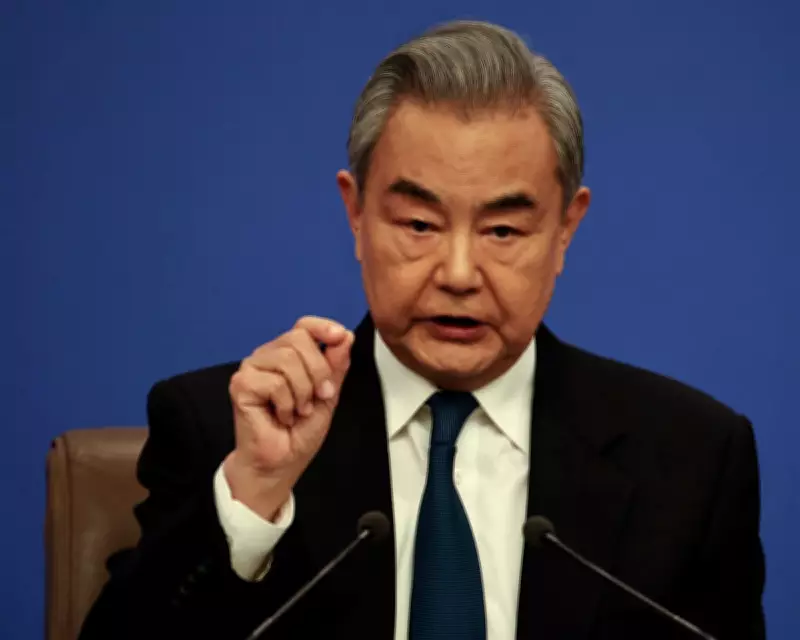
Chinese Foreign Minister Wang Yi has asserted that the war in the Middle East "should never have happened," delivering his remarks during a press conference at China's annual Two Sessions parliamentary gatherings. He cautioned against a regression to the "law of the jungle" in international relations, yet refrained from directly criticising US President Donald Trump, whose upcoming visit to Beijing is highly anticipated.
Conciliatory Tone Marks Shift in US-China Relations
Wang Yi emphasised China's commitment to "mutual respect" in bilateral ties, describing recent discussions between Trump and Chinese President Xi Jinping as "heartening." He highlighted 2026 as a pivotal year for US-China relations, urging both nations to engage with "sincerity and good faith." This represents a notable departure from last year's accusations of "two-faced" US behaviour over tariffs, with Wang now warning that conflict could "bring the whole world down" and stressing that "neither side can remodel the other."
Strategic Restraint Amid Global Tensions
Despite US actions in Venezuela and Iran—both key Chinese oil suppliers—China has avoided direct condemnation of Trump or postponing his visit. Analysts suggest Beijing prioritises face-to-face diplomacy to address trade, Taiwan, and global conflicts, seeing little advantage in overtly supporting Iran. William Yang of the International Crisis Group noted that China aims to gauge Trump's stance and present its perspective directly, given Middle East turmoil's impact on energy prices and trade routes.
Firm Stance on Taiwan and Japan
Wang Yi adopted a fiery tone on Taiwan, declaring reunification as an unstoppable historical process and warning that "those who defy it shall perish." He also criticised Japan's prime minister for suggesting Taiwan could trigger Japanese military deployment, accusing Tokyo of undermining its pacifist constitution and raising concerns over Japan's direction, referencing historical aggressions in Asia.
Broader Implications for Global Diplomacy
The press conference underscores China's diplomatic balancing act: condemning US-led conflicts while fostering US-China cooperation. With Trump's visit scheduled for late March, both sides appear focused on stabilising relations, despite recent US policy moves. Wang's comments reflect a strategic approach to navigating complex international dynamics, prioritising dialogue over confrontation in an increasingly volatile global landscape.