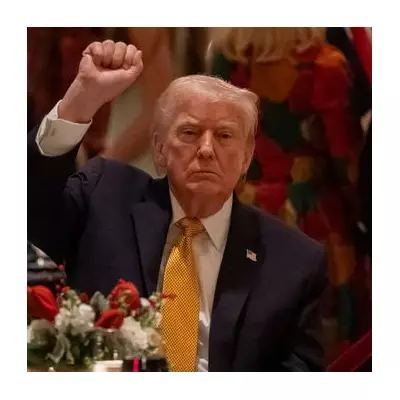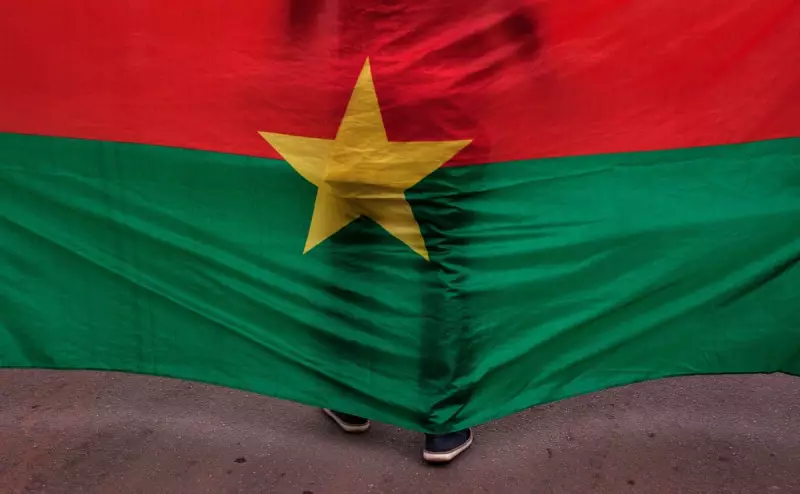
In a sharp escalation of diplomatic tensions, the West African nations of Mali and Burkina Faso have announced immediate bans on entry for American citizens. This move is a direct act of retaliation against former US President Donald Trump's decision to impose visa restrictions on their own nationals.
The Principle of Reciprocity in Action
On Tuesday, the foreign ministries of both countries issued separate statements formally declaring the new policy. The Malian government stated it would "apply the same conditions and requirements to US nationals as those imposed on Malian citizens," citing the principle of reciprocity. A parallel statement from Burkina Faso's Foreign Minister, Karamoko Jean-Marie Traoré, outlined identical reasoning for barring American travellers.
This tit-for-tat action marks the latest downturn in the already chilly relationship between the United States and the military-led governments in West Africa. The rift stems from Trump's expansion of travel restrictions on 16 December, which added 20 more countries to the list, including Mali, Burkina Faso, and their neighbour Niger.
Context: Security Concerns and Regional Fractures
The Trump administration justified the original ban by pointing to persistent security challenges. Officials cited the need to prevent the entry of individuals "about whom the United States lacks sufficient information to assess the risks they pose," particularly following an incident where two National Guard members were shot in Washington DC on 26 November.
Both Mali and Burkina Faso, governed by juntas that seized power citing rampant insecurity, have indeed struggled to contain violent armed groups operating within their borders. However, the governments have vowed to combat these threats since deposing the previous civilian administrations.
Compounding the diplomatic strain is the fact that these three nations have formed a breakaway alliance, distancing themselves from the main regional bloc, the Economic Community of West African States (ECOWAS). This move has further isolated them from Western partners.
Implications for Diplomacy and Travel
This reciprocal ban creates an immediate barrier for American diplomats, aid workers, journalists, and businesspeople seeking to enter Mali or Burkina Faso. It represents a significant hardening of positions and suggests a further deterioration in US engagement with the Sahel region.
The announcements underscore a growing trend where nations are increasingly willing to employ mirror-image immigration policies as a tool of diplomatic leverage and protest. For now, the door has been firmly shut in both directions, with no indication of when or how these reciprocal measures might be lifted.