A recent survey from Emerson College Polling has unveiled a stark reality for potential contenders in the 2028 United States presidential election: none currently command a favourability rating exceeding 50 per cent among the electorate. This finding underscores a significant disconnect between prominent political figures and the broader public sentiment as the race begins to take shape.
Vance Tops Poll Despite High Unfavourability
Vice President JD Vance emerges as the frontrunner in this early assessment, securing a favourability rating of 46 per cent. However, this lead is tempered by the fact that 41 per cent of respondents view him unfavourably, highlighting a polarising presence that could challenge his campaign efforts. The poll suggests that while Vance has a base of support, he faces substantial opposition that may hinder broader appeal.
Musk and Other Figures Lag Behind
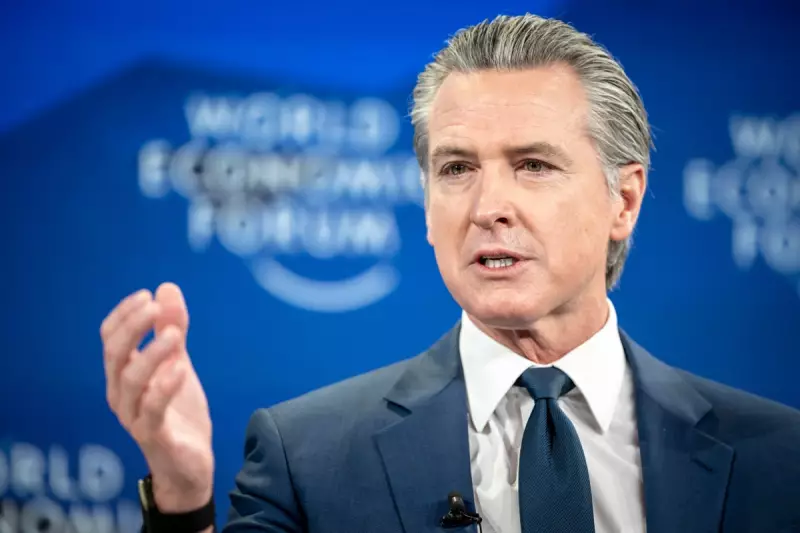
Tech billionaire Elon Musk ranks second in the poll with a 40 per cent favourability rating, but his position is overshadowed by a higher unfavourability of 46 per cent. This indicates that Musk's public image is even more divisive than Vance's, potentially complicating any political aspirations he might harbour. Other notable figures, including Republican House Speaker Mike Johnson and Democratic governors Josh Shapiro and Gavin Newsom, also recorded low favourability ratings, reflecting a general trend of dissatisfaction with established politicians.

Current President's Approval Ratings and Key Issues
The survey further reveals that the current president's job approval stands at a modest 41 per cent, with 50 per cent disapproval, pointing to widespread discontent with the incumbent administration. Healthcare was identified as the worst-performing issue for the president, suggesting that policy failures in this area are particularly damaging to public trust. This context adds pressure on all potential candidates to address such critical concerns effectively.
Implications for the 2028 Election Landscape
The poll results paint a picture of an electorate that is largely unimpressed with the current slate of political leaders, setting the stage for a highly competitive and unpredictable election cycle. With no candidate achieving majority favourability, the race for the 2028 presidency appears wide open, potentially encouraging new entrants or shifting strategies among existing contenders. This dynamic could lead to increased focus on policy solutions and personal outreach to bridge the gap with voters.
In summary, the Emerson College Polling survey highlights a challenging environment for all potential 2028 presidential candidates, with JD Vance leading but facing significant unfavourability, and other figures struggling to gain traction. As the election approaches, these early ratings may evolve, but for now, the nation's political landscape remains fragmented and contentious.