The Scottish Parliament election campaign officially launches today, with party leaders presenting their opening pitches to voters who feel disillusioned with politics. This follows the conclusion of what has been described as a dismal five-year session at Holyrood, marked by the resignations of two first ministers and a lack of substantial legislation.
MSPs were frequently forced to react to major events, including the end of the Covid-19 pandemic, which severely impacted businesses, and the war in Ukraine, which drove inflation and fuel prices to record highs, causing hardship for households across Scotland. The NHS continues to struggle post-pandemic, and serious concerns have been raised about the safety of the £1bn Queen Elizabeth University Hospital in Glasgow.
Roz Foyer, general secretary of the Scottish Trades Union Congress (STUC), acknowledged some successes, such as legislation to pardon striking miners and implement safe access buffer zones, but stressed that the Parliament is still falling short of delivering the change that communities need. She called on candidates to focus on redistributing wealth, developing a credible industrial strategy, and standing against divisive forces.

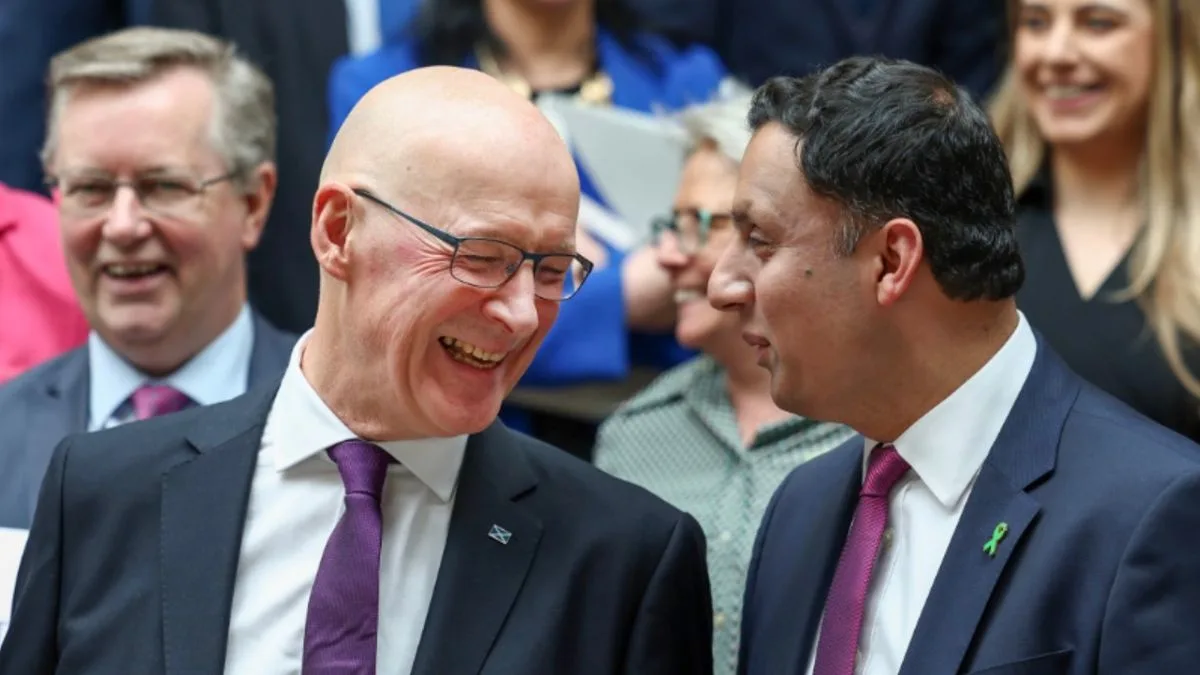
Despite a change of government at Westminster in 2024, Scottish Labour has not won a Holyrood election since 2003. However, the SNP remains ahead in opinion polls, with John Swinney expected to lead the party into a third decade in power. Swinney will launch the SNP's campaign in Glasgow, insisting his party offers a "fresh choice." Meanwhile, Anas Sarwar, Scottish Labour leader, will also speak in Glasgow, urging voters to end 20 years of SNP government and cast their votes for Labour on May 7.
Scottish Conservative leader Russell Findlay faces a challenging campaign, with polls suggesting his party could lose half of its MSPs. He warned that Swinney would use an SNP majority to push for another independence referendum, urging Scots to back the Conservatives to stop the break-up of the UK.