Holyrood Leaders Clash in First TV Debate as Independence Dominates
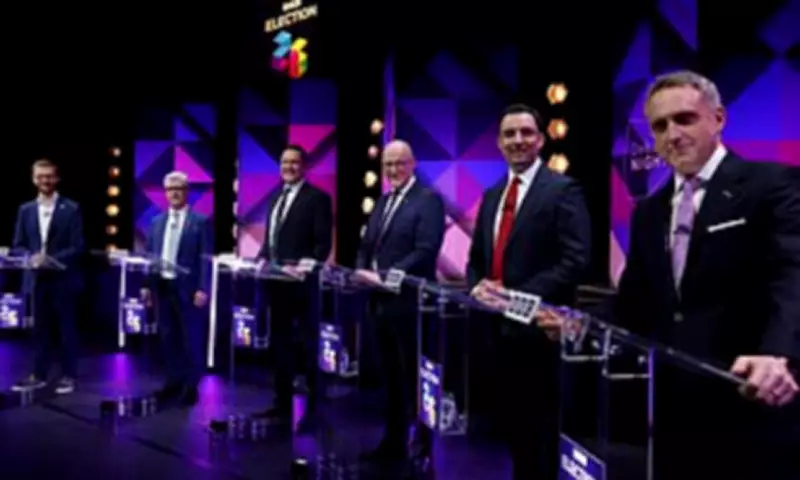
The opening televised debate of the Holyrood election campaign brought together six party leaders in a studio in Paisley, broadcast live with an audience and cameras. With just 25 days remaining until the vote, BBC presenter Stephen Jardine framed the event as a chance for voters to decide Scotland's future leadership.
A Colourful Cast of Characters
The debate featured a diverse lineup of political figures. SNP leader John Swinney appeared sharp but subdued, while Labour's Anas Sarwar frequently interrupted opponents with assertive remarks. Conservative Russell Findlay projected a stern demeanour even while discussing tax cuts, and Liberal Democrat Alex Cole-Hamilton earned his nickname "Alex Deserves-Better" by repeatedly sighing that Scotland deserved more from its politicians.
Reform Scotland's Malcolm Offord spoke in a quiet, morose tone that contrasted with his populist messaging, and Green co-leader Ross Greer stood out as the only participant without a tie. The studio audience, who seemed to be enduring the event as much as participating, included one woman who openly questioned whether to vote at all, challenging the leaders to persuade her otherwise.

Policy Clashes and Audience Reactions
Swinney responded to the undecided voter by asserting the SNP would "always be on Scotland's side," while Sarwar delivered one of the debate's most memorable lines: "The SNP have had their chance. They've had 20 years. Give me five." Offord revealed troublingly that about one-third of voters he encountered planned to abstain, highlighting widespread apathy.
Audience sympathies shifted throughout the evening. Swinney garnered applause for criticising Labour's broken energy promises, and Greer received hearty clapping for advocating full nationalisation of the energy sector. Sarwar's persistent interruptions finally paid off when he sharply told Swinney to "take some responsibility," winning crowd approval. The Labour leader further impressed by attacking the SNP over the ferries procurement scandal.
Ideological Divides and Constitutional Focus
The debate revealed clear ideological splits. Findlay positioned himself firmly on the right, echoing Margaret Thatcher's view that "there is no such thing as public money, only taxpayers' money." Greer countered by denouncing Thatcherite policies in energy markets. Swinney, once known for his agility, appeared weary compared to the energetic Green leader, who accused Westminster of "democracy denial" regarding independence referendum calls.
Independence dominated the second half, disproving any notion that the constitutional question is settled. Audience members repeatedly voiced opinions on both sides, while Sarwar argued the election should focus on "the here and now" and Findlay revived Conservative talking points about "getting on with the day job."
A Shouty Conclusion with Football Relief
The debate grew increasingly heated, but Jardine restored a lighter tone by asking how Scotland should celebrate a hypothetical World Cup victory. This provided a moment of unity amid the political divisions, though perhaps reflected more optimism than any policy promise delivered during the evening.
Overall, the debate showcased the personalities and priorities shaping Scotland's political landscape, with independence remaining a central fault line as voters prepare to head to the polls.