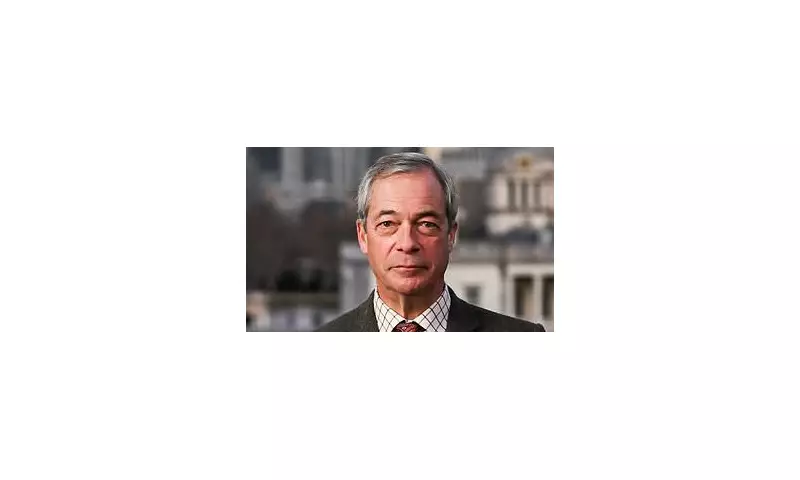
As 2025 comes to an end, the leader of Reform UK has delivered a stark assessment of a nation gripped by deepening pessimism. In a preview of his annual New Year's address, set for Greenwich in south London, he painted a picture of a country where living standards are falling, unemployment is climbing, and public debt is spiralling uncontrollably.
A Nation in Decline and a Call for Historical Pride
The speech will argue that the British people are feeling poorer and less safe, with many now fearful of wearing valuable items in public. He also criticised what he described as an overreach in policing, suggesting that "rude" comments on Facebook could lead to a visit from the authorities.
Choosing Greenwich as the backdrop is deeply symbolic. The Reform leader highlighted its central role in Britain's maritime and imperial history, from the Battle of Trafalgar to the empire. He particularly emphasised the Royal Navy's historic campaign against the slave trade. However, he accused the education system under recent governments of teaching children to be "ashamed of their past" instead of proud, vowing that a Reform government would correct this.

The Crypto Revolution and an Energy Crisis
Looking from Greenwich's historic buildings towards Canary Wharf's skyscrapers, the speech turns to the future. It identifies a burgeoning new world of AI, financial innovation, and digital assets like cryptocurrency, which he claims neither the Conservative nor Labour parties comprehend.
He promised that Reform does understand, declaring cryptocurrencies are "firmly here to stay" and represent a "golden opportunity" for the UK economy. He positioned them as offering freedom from state interference and argued there is a chance to make Britain the world's premier crypto and blockchain hub, potentially creating a second 'Big Bang' for the City of London.
This potential, however, is threatened by what he termed "fanatical net zero policies" pursued by both major parties. He asserted that cheap, abundant domestic energy is a prerequisite for harnessing new technologies, and without it, Britain will be "literally left behind".
The Alaa Abd El-Fattah Case and the 2026 Electoral Battle
The speech took aim at the handling of Egyptian activist Alaa Abd El-Fattah, who was granted British citizenship. The Reform leader cited what he called "abominable, hateful tweets" from El-Fattah about killing Jews and white people and fighting police. He demanded the government strip El-Fattah of his citizenship and deport him immediately, dismissing claims from Labour and the Tories that they were unaware of his social media history as not credible.
Looking ahead to a major set of elections in 2026—covering Scotland, Wales, London boroughs, and councils nationwide—the leader framed them as the most critical before the next general election. He accused the Labour government of enabling an "authoritarian" move by allowing some councils to cancel elections, as Conservative-controlled East and West Sussex have done.
Confident after leading over 175 consecutive opinion polls, he predicted that a strong Reform performance in the local elections on 7 May 2026 would set the party on a path to win the next general election, due by 2029. He concluded with a direct appeal, asking the public to make it their New Year's resolution to support, join, and spread the word about Reform UK, which he called the last chance to restore values of family, community, and country.