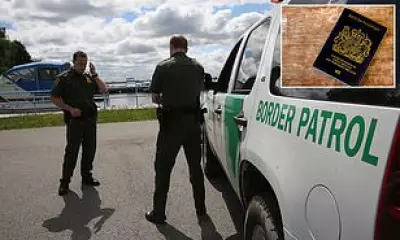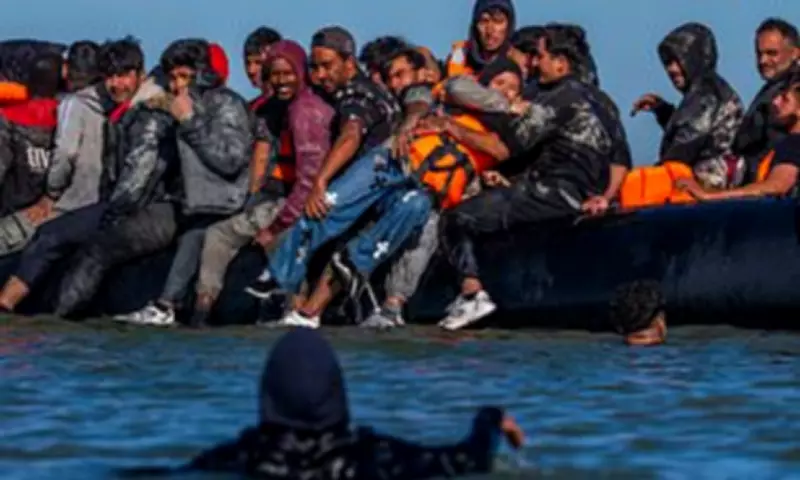
Government data has revealed that thousands of migrants from Asia, Africa, and the Middle East have entered Britain under official schemes designed to provide free visas for Ukrainian refugees fleeing Russia's full-scale invasion. The disclosure has ignited a significant political debate regarding the integrity and intended purpose of these humanitarian programmes.
Scope of Non-Ukrainian Participation
According to an analysis of Home Office statistics, nearly 3,500 visas have been issued to individuals from 112 different countries under two separate Ukrainian refugee schemes. These visas represent almost one in every 80 of the 279,223 total applications granted by the Government. The schemes allowed Ukrainians to enter the UK either through family connections already residing in Britain or via the Homes for Ukraine sponsorship programme, which matches refugees with British hosts offering accommodation.
Nationality Breakdown and Political Reaction
Russians constitute the largest group of non-Ukrainians admitted under these schemes, with 588 individuals granted visas. Other significant nationalities include Nigerians (408), Afghans (294), Iraqis (161), Indians (124), and Iranians (107). Additional nationalities benefiting from the Ukrainian visa schemes include Ghanaians, Syrians, Libyans, Chileans, and Argentinians.

Shadow Home Secretary Chris Philip has voiced strong criticism, stating: 'The Government should not be allowing non-Ukrainians into the UK under the Ukrainian visa scheme. It is supposed to be for Ukrainians, not Afghans and Iraqis.' This sentiment reflects broader concerns about potential misuse of the schemes.
Official Eligibility Criteria and Legal Precedents
A Home Office spokesman clarified the official position: 'The Homes for Ukraine sponsorship scheme is primarily for Ukrainian nationals. Third-country nationals can only be eligible if they apply as part of a family group, which must include an immediate family member who is a Ukrainian national, and they must apply at the same time.' The spokesman further emphasised that these schemes remain temporary, aligning with the Ukrainian government's desire for the eventual return of its citizens, and do not provide a pathway to permanent settlement.
The issue gained additional prominence following a court ruling last year that allowed a Palestinian family fleeing the Gaza conflict to enter Britain through the Ukrainian refugee scheme. The family successfully argued that they had no alternative route to seek refuge in the UK and should be permitted to live with a relative under the visa programme.
Political and Legal Controversies
Philip contended that this case demonstrated an abuse of the European Convention on Human Rights, effectively twisting the Ukrainian scheme into a route for Palestinians to enter the UK. The Ukrainian visa schemes were originally established by the previous Conservative government but have continued under the current Labour administration, maintaining the same eligibility framework.
The ongoing situation highlights the complex challenges of managing refugee and immigration policies during international crises, balancing humanitarian imperatives with strict programme boundaries. As debates continue, the Government faces pressure to ensure these schemes serve their intended purpose while addressing legitimate concerns about eligibility and oversight.