A survivor of torture who endured nearly a decade inside one of the world's most brutal prison systems has issued a direct plea to the UK Government to abandon its planned overhaul of the asylum system.
From Death Row to Exile in London
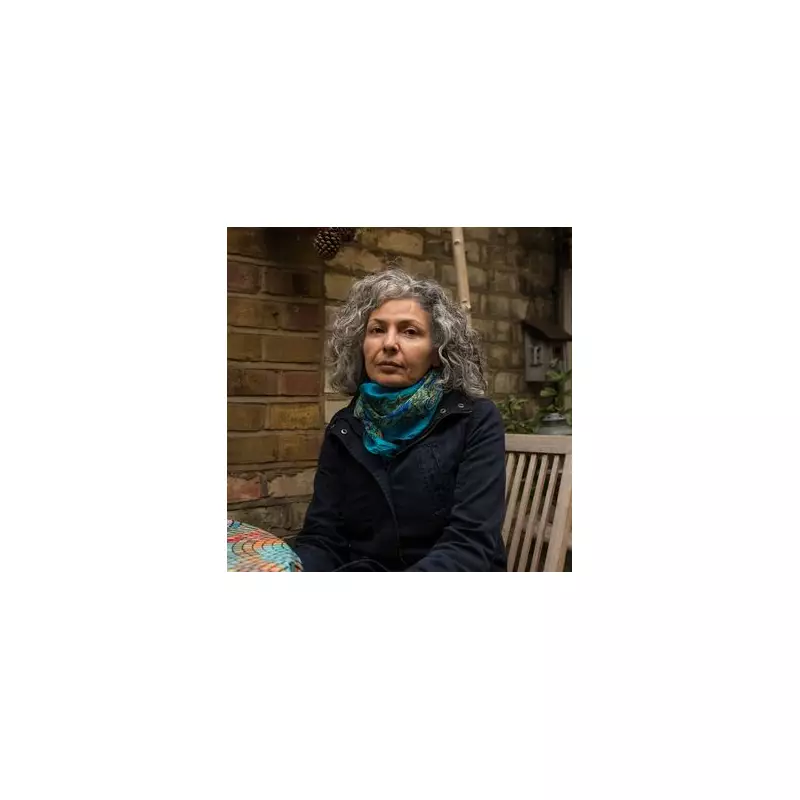
Nasrin Parvaz, now 67 and living in exile in London, was first sentenced to death in Iran at the age of 23. Her so-called crime was campaigning for women's rights and fairer wages. Arrested in Tehran in 1982, she was held in a blood-stained cell in the notorious Evin Prison for a year before learning her death sentence would not be carried out.
During her years of imprisonment, she was beaten so severely she was paralysed for weeks and left with permanent scars. From her cell, she listened to the gunshots that killed many of her friends and fellow activists. After her release, she was followed by state police and fled Iran, fearing for her life. She has never returned, not even to say goodbye to her parents, knowing she would face immediate arrest.
A Warning Against "Hostile" New Policies
Nasrin now warns that the language used by politicians and a series of new, restrictive policies are scapegoating refugees and creating a climate of fear. She argues that forcing people to return to their homelands based on periodic safety reviews will cost lives.
"In Iran I was suffering from systemic sexism, here is systemic racism," she stated. "We escape and we think now we have survived the torture, arrest, execution. But the trauma doesn't stop because of systemic racism. It's following us."
Her warning comes after Home Secretary Shabana Mahmood announced a major shake-up last month. Key measures include:
- Forcing those granted refugee status to undergo reviews every two-and-a-half years.
- Removing individuals if their home country is later deemed safe.
- Making asylum seekers wait 20 years to apply for permanent settlement.
- Proposing to rip up the legal duty to support asylum seekers.
- Granting authorities the right to seize valuables from small boat arrivals.
Ms Mahmood has argued previous governments lacked the necessary toughness, stating the UK must assert its right to return those with no right to remain.
"Prison is Torture": The Human Cost of Policy
Nasrin draws a direct line between her past trauma and the potential impact of UK policies. She strongly warns against housing asylum seekers in military bases or former prisons. "As an ex prisoner, I cannot imagine coming here and staying in prison until my case was processed," she said. "Prison is torture. And keeping people in prison until their case is processed means torturing people for escaping torture."
She cites the experiences of other exiles who believed it was safe to return home after many years, only to be arrested or assassinated. "I know one person who was killed and his body left in the street," she revealed.
Instead of blaming refugees, Nasrin urges the Government to address the root causes of displacement. "If these regimes are under pressure to release all the political prisoners and stop executions there won't be refugees," she asserted. "The only way to stop the movement of people due to persecution is through universal rights."
Her concerns are echoed by human rights advocates. Natasha Tsangarides, Associate Director of Advocacy at Freedom from Torture, said: "Stories like Nasrin’s are shared in our therapy rooms every single day... Stripping away protections that stop survivors being sent back into the hands of their torturers is not who we are as a country."
A Home Office spokesperson responded: "This government is committed to protecting the integrity of our asylum system while safeguarding genuine refugees fleeing war and danger... No individual will be returned to an unsafe country if they face a risk of persecution or serious harm."