The Home Office will not strip British-Egyptian activist Alaa Abd el-Fattah of his UK citizenship, government sources have confirmed, stating his past social media posts do not meet the high legal threshold required for such a sanction.
Political Storm Over Decade-Old Tweets
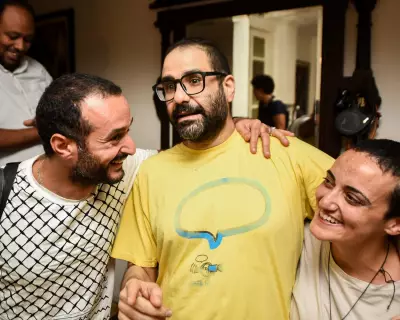
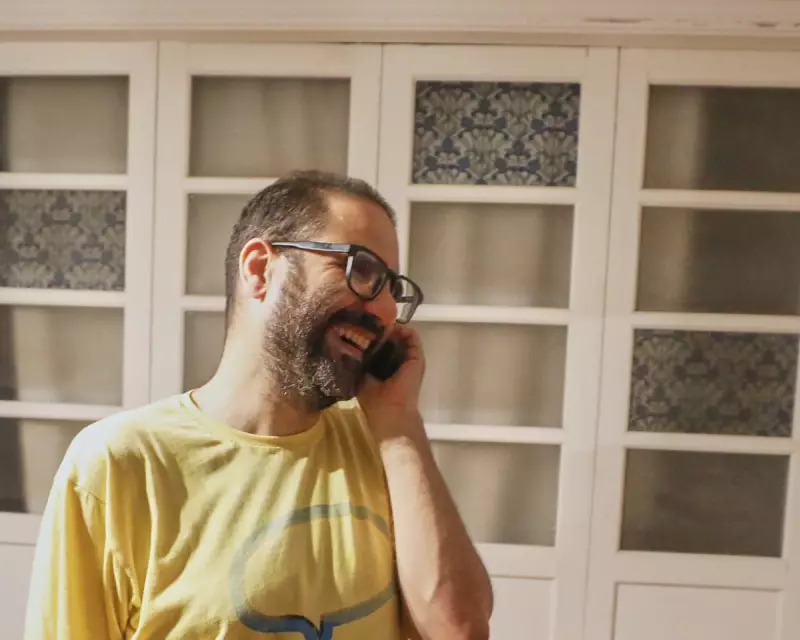
Alaa Abd el-Fattah arrived in London from Egypt on Boxing Day, following a high-profile campaign by successive UK governments to secure his release from detention. His arrival, initially welcomed by Prime Minister Keir Starmer, was swiftly followed by controversy when historic social media posts resurfaced.
The posts, published over a decade ago, included tweets in which the activist called for Zionists to be killed and made derogatory remarks about white people and the British. The backlash led to calls from opposition parties, including the Conservatives and Reform UK, for his deportation and for his citizenship to be revoked.
Foreign Secretary Yvette Cooper has launched a review into "serious information failures" surrounding the case, questioning what vetting was undertaken before Abd el-Fattah was granted citizenship in 2021 and before the government lobbied for his release.
High Legal Bar Prevents Citizenship Stripping
Despite the political furore, government sources have made clear the legal bar for revoking citizenship has not been met. The evidential case regarding Abd el-Fattah's posts is reported not to have changed in the 12 years since they were made, a period during which he was granted citizenship.
Home Secretary Shabana Mahmood is understood to be unlikely to remove someone's British citizenship unless they obtained it by fraud or are considered to be terrorists, extremists, or serious organised criminals. The decision carries a right of appeal, as seen in the protracted case of Shamima Begum.
Abd el-Fattah, who was granted citizenship in 2021 through his mother's British birth while he was imprisoned in Egypt, has since apologised "unequivocally" for the historic posts.
Warnings Over an 'Authoritarian Step'
The calls for citizenship stripping have drawn sharp criticism from human rights campaigners. Steve Valdez-Symonds, Amnesty International UK’s migrant rights director, stated: "Stripping someone of their citizenship because of what they may say or tweet would be an extremely authoritarian step."
Chris Doyle of the Council for Arab-British Understanding, while condemning the tweets as "appalling," warned against politicians calling for citizenship removal on a "bandwagon," emphasising that citizenship is a right.
Conservative MP and former cabinet minister David Davis expressed a similar view, arguing that while citizenship may be awarded too easily, the power to remove it should not rest with politicians. "It should not be in the gift of politicians... to determine someone’s citizenship. That is an almost vertical slippery slope," he said.
Downing Street has defended the government's actions, with the Prime Minister's spokesperson stating the UK welcomes the return of any British citizen unfairly detained abroad. They reiterated, however, that the government considers the historic tweets to be "abhorrent." The spokesperson confirmed Keir Starmer was not aware of the tweets until after Abd el-Fattah had entered the UK.