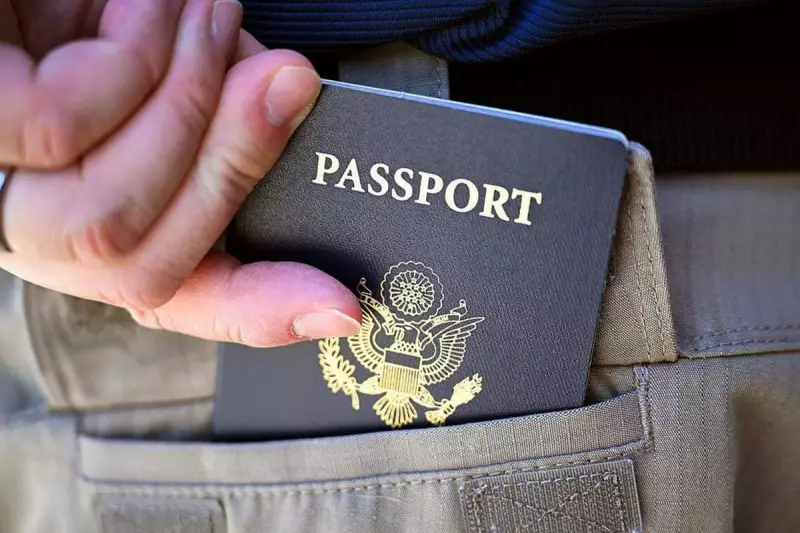
Across the United States, a growing number of citizens are taking an extraordinary precaution in their daily lives: carrying their passports. This trend emerges amid widespread immigration enforcement raids and circulating reports of American citizens being detained, creating a pervasive climate of fear.
Living in a State of Heightened Alert
Munira Maalimisaq, a family nurse practitioner in Minneapolis, began carrying her passport daily from 2 December. This decision coincided with a surge of federal agents in the city. A naturalised US citizen for over two decades, having arrived from Somalia as a child, she previously only used her passport for international travel.
Her clinic, which serves marginalised communities, is in an area targeted by ICE. Patients now increasingly present passports instead of driver's licences, and Maalimisaq has initiated telehealth and safe ride services to allay their fears. As a headscarf-wearing woman, she feels visibly identifiable. "I do look like an immigrant. It's not something that I can hide who I am," she stated, adding, "No one should have to carry a passport just to exist safely in their own city."
The Burden of Proving Belonging
In Kenner, Louisiana, Walter Cruz Perez, a citizen since 2022, now carries his passport in a weatherproof case with his phone. The 58-year-old landscaper, originally from Guatemala, started this practice after federal agents descended on his suburb in early December and media reported detentions of Latino citizens. He worries his accent and appearance could make him a target.
"It's stressful," Cruz said. "But you see on the news that people don't have the chance to identify themselves … so you do what you have to do to avoid problems."
Carola Lopez, an educator from Puerto Rico living outside New Orleans, has carried her passport since an unexplained stop by authorities in 2015. The ongoing crackdown reinforces her habit. "It's really sad that we have to do this," she said. "I never thought I'd feel like I have to prove where I'm from, … and that we are from the United States."
Impact on Daily Life and Family Security
In Los Angeles, born-and-raised citizen Miguel Rios, 49, and his family now carry passport copies. He cancelled road trips and worries about his parents' safety at large gatherings. A turning point was hearing about a citizen associate detained and taken to an ICE facility. The Supreme Court ruling allowing stops based on speaking Spanish or appearing Latino particularly distressed him.
"It's really scary for the elders," Rios said. "You're tearing families apart. The numbers have come out, it's not like they're catching criminals."
For Ana, a southern California educator and daughter of Mexican immigrants, the detainment of US citizen Andrea Velez in Los Angeles was a chilling wake-up call. Velez was allegedly dragged into a vehicle by masked immigration officials. "I thought if that happened to her that could happen to me," Ana said. She now carries her passport and ID constantly, stating, "I'm a citizen but nonetheless I feel the need to carry my damn passport." She describes the current moment as "very dangerous," fearing the erosion of due process.
These accounts from Minnesota, Louisiana, and California paint a unified picture of American citizens, both naturalised and native-born, adapting their routines and bearing the psychological weight of proving their right to belong in their own country.