Federal Judge Finds Pentagon Violating Court Order on Reporter Access
A federal judge has ruled that the Defense Department is violating his earlier judicial order to restore access to the Pentagon for journalists and reporters. The ruling came on Thursday, 09 April 2026, with U.S. District Judge Paul Friedman determining that the Pentagon's actions contravene constitutional protections for the press.
Constitutional Rights Violation and Judicial Response
Judge Friedman initially sided with The New York Times earlier this month, deciding that the Pentagon's new credential policy violated journalists' constitutional rights to free speech and due process. In his latest ruling, he affirmed that the Defense Department has attempted to evade his previous decision by implementing new rules that expel all reporters from the building unless they are accompanied by escorts.
"The department simply cannot reinstate an unlawful policy under the guise of taking 'new' action and expect the court to look the other way," Friedman wrote in his judicial opinion. This statement underscores the court's firm stance against what it perceives as procedural manipulation by the Pentagon.

Specific Orders and Broader Implications
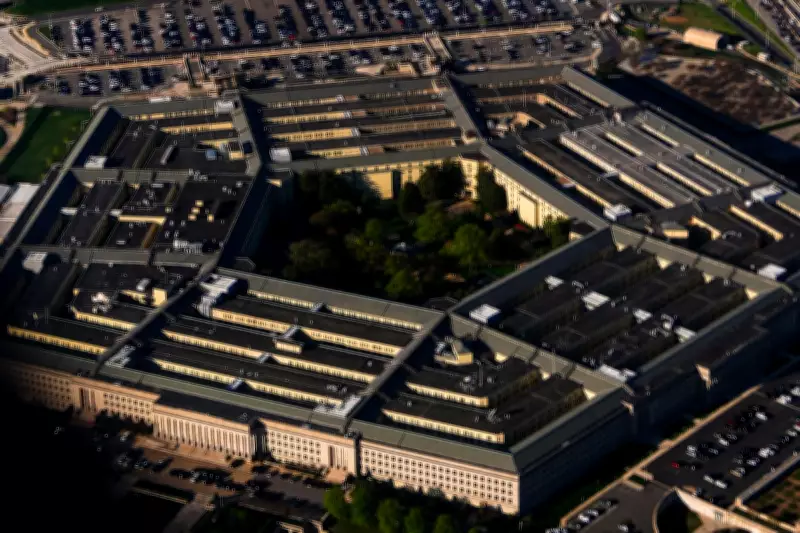
Friedman had previously ordered Pentagon officials to reinstate the press credentials of seven New York Times reporters. He emphasized that his decision applies comprehensively to "all regulated parties," indicating that the ruling has wider implications beyond just the involved media organization. The Pentagon building, which serves as the headquarters for U.S. military operations, is now at the center of this legal and constitutional dispute over press freedom.
The case highlights ongoing tensions between government security protocols and First Amendment rights, with the judge's findings suggesting that the Defense Department's measures may be overly restrictive. Legal experts note that this ruling could set a precedent for how similar cases are handled in the future, particularly regarding access to government facilities for journalistic purposes.
As the situation develops, observers are watching to see how the Pentagon will respond to the court's directives and whether further legal actions will be necessary to ensure compliance. The outcome may influence press access policies across various federal agencies, potentially reshaping the landscape of government-media relations in the United States.