Supreme Court Trans Ruling Sparks Outrage and Calls for Feminist Unity
In a powerful critique, columnist Aimée Walsh has declared her unwavering allyship with the trans community, condemning a landmark Supreme Court ruling from April 2025 as a devastating blow to feminism. The court's decision, which defined the term 'woman' solely by biological sex, has ignited fierce debate and division.
A Divisive Legal Judgment
The ruling emerged from an appeal by the organisation For Women Scotland against the Scottish Government's usage of the term 'woman'. The Supreme Court sided with the group, leading to celebratory scenes on the court steps that Walsh described as 'sickening'. She argues this judgment reduces women to mere reproductive organs, chromosomes, and hormones, promoting a reductive and harmful view of gender roles.
Walsh emphasises that this ruling benefits neither cis nor trans women. Instead, it entrenches outdated stereotypes and distracts from pressing issues like violence against women and girls. Police data from 2024 labelled such violence as 'endemic' and a 'national emergency', with Refuge reporting it constitutes 20% of all recorded crime in England and Wales.

Escalating Threats and Misguided Debates
The threat is even more acute for the trans community. Hate crimes against trans people in the UK have risen over the past five years, with Stonewall UK noting that 41% of trans individuals have experienced hate incidents due to their gender identity. Despite this, public discourse often fixates on trivial matters like bathroom access or sports participation for a tiny minority of elite athletes.
Walsh labels these discussions as 'hate-speech' rather than genuine debate, criticising the internalised misogyny that blames trans women instead of addressing the real perpetrators of violence. She asserts that exclusionary feminism is not feminism at all, and that stripping rights from any group undermines equality.
A Growing Movement for Inclusion
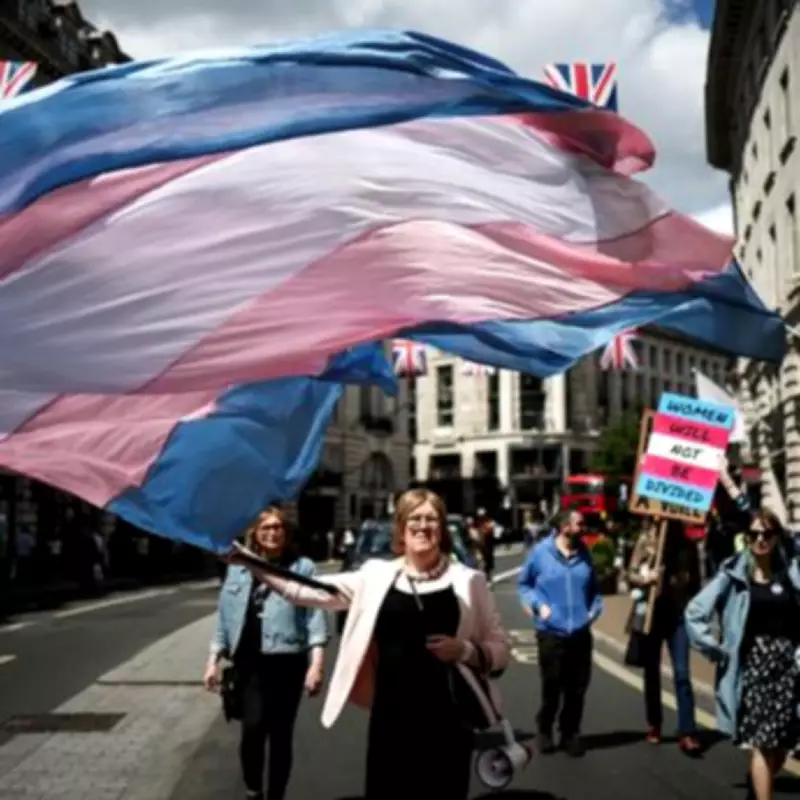
In response, Walsh highlights the Not in Our Name (NION) petition, which has garnered over 100,000 signatures from cis women like Kate Nash and Denise Welch. This collective rejects the ruling as a 'win' for cis women, arguing it has polarised conversations and silenced many who felt uncomfortable with the toxic discourse.
The petition has provided an outlet for ordinary women—mothers, teachers, nurses—to express solidarity with the trans community. Walsh, a signatory herself, stresses that women's safety should be a uniting force, as violence affects and kills both cis and trans women alike. She warns that divisions within feminism only reinforce extreme right-wing misogyny, reminiscent of dystopian narratives like Margaret Atwood's 'The Handmaid's Tale'.
The Path Forward: Allyship and Action
Allyship, Walsh contends, is the bare minimum in a society striving for equality. Organisations like TransActual offer guidelines on being a good ally, emphasising kindness, inclusivity, and vocal opposition to hatred online or in person. She calls on all women to unite in this fight, urging those who agree to sign the Not in Our Name letter and stand against exclusionary policies.
Ultimately, Walsh's message is clear: the Supreme Court ruling is a blight on feminism, and true progress requires solidarity, not division. By focusing on shared goals like safety and equality, women can overcome the harmful essentialism that the judgment perpetuates.