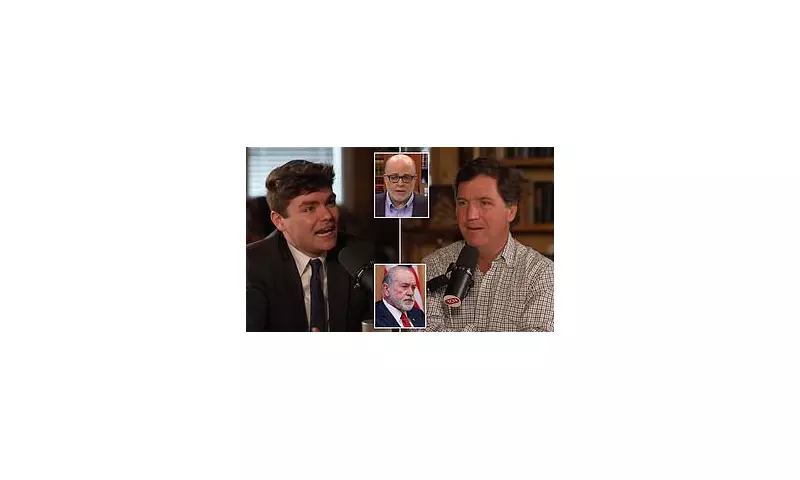
In a move that has sent shockwaves through media and political circles, former Fox News presenter Tucker Carlson has hosted controversial far-right figure Nick Fuentes on his online show, sparking immediate backlash and debate about the boundaries of free speech.
Controversial Comments Take Centre Stage
During the appearance, Fuentes made incendiary remarks claiming that "Zionists" exert disproportionate control over American foreign policy, particularly regarding support for Israel. The comments immediately drew criticism from various groups who labelled them as antisemitic conspiracy theories.
"The Zionist class is the real ruling class in America," Fuentes declared during the interview, adding that they "control the foreign policy of this country."
Carlson's Platform Under Scrutiny
Carlson, who has built a substantial independent media presence since his departure from Fox News, faced immediate criticism for providing Fuentes with such a prominent platform. Critics argue that by hosting known extremists, Carlson is normalising dangerous rhetoric that could incite real-world harm.
The interview represents another controversial moment in Carlson's post-Fox career, where he has increasingly platformed figures considered beyond the mainstream political spectrum.
Who is Nick Fuentes?
Nick Fuentes is no stranger to controversy. The 25-year-old political commentator leads the "America First" movement and has been banned from multiple social media platforms for violating hate speech policies. His previous appearances have included associations with high-profile figures, including a dinner with former President Donald Trump that drew widespread condemnation.
Fuentes has repeatedly faced accusations of promoting white nationalist ideology and antisemitic conspiracy theories throughout his public career.
Immediate Backlash and Responses
The Anti-Defamation League and other civil rights organisations have condemned the interview, calling it "dangerous normalization of hate." Meanwhile, free speech advocates have argued that while offensive, such discussions should be allowed in public discourse.
The controversy comes at a sensitive time in American politics, with rising concerns about antisemitism and political polarization following recent conflicts in the Middle East.
As the debate continues, questions remain about the responsibility of media figures in platforming controversial voices and where to draw the line between free speech and harmful rhetoric.