In the wake of a devastating 2024 election defeat, the Democratic Party in the United States has been forced to confront a stark digital reality. While soul-searching over issues from inflation to Gaza, one diagnosis achieved striking consensus: the party had been comprehensively drowned out online by the right's vast and well-funded digital army. A year on, a frantic course-correction is underway, with Democrats streaming onto platforms like TikTok and liberal donors being inundated with pitches for podcasts and projects aimed at constructing a rival media ecosystem.
The Chaotic Era: Mapping the Left's Digital Reckoning
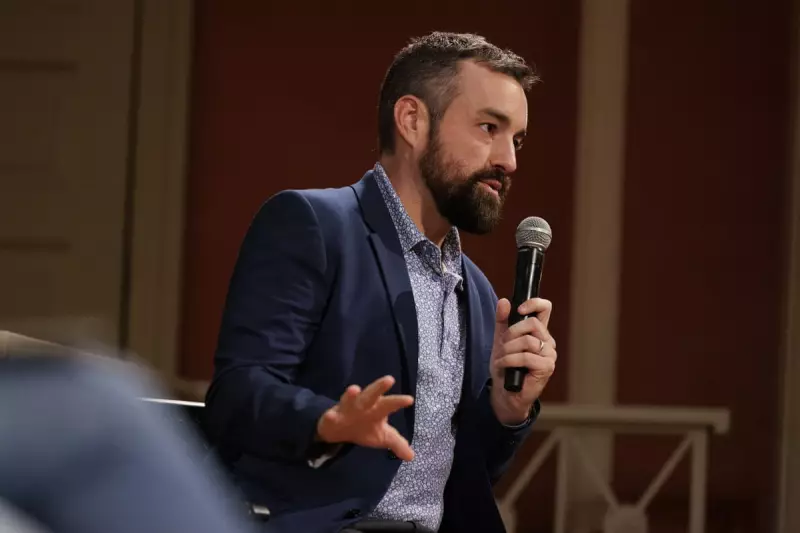
Few have chronicled this shift more closely than Kyle Tharp, the progressive writer and researcher behind the Chaotic Era newsletter. Launched in January 2025, just days before Donald Trump's second inauguration, Tharp's work tracks the surge in liberal media projects and the rise of left-leaning creators. "The 2024 election was a wake-up call," Tharp explained, noting his shock at the results and a feeling that traditional political reporting was missing the new forces shaping campaigns.
According to Tharp's analysis, Democrats have made progress in three key areas over the past year. Firstly, there has been a significant shift in embracing long-form audio and video. Inspired by Trump's success on podcasts like Joe Rogan's, prominent Democrats including Ro Khanna, Chris Murphy, Pete Buttigieg, Gavin Newsom, and JB Pritzker have collectively sat for hundreds of podcast interviews, ranging from friendly progressive shows to conservative platforms.

Secondly, a new partisan media ecosystem is emerging to counter established right-wing outlets like Fox News and the Daily Wire. "There's now a whole new bench of creators and progressive media brands," Tharp observed, pointing to grassroots-funded efforts like the Bulwark and Zeteo, and rapid growth on social media platforms.
Thirdly, Democratic campaigns have integrated paid social media creator engagements into their standard media mix. What was once a strategy of TV ads and mailers now routinely includes creator marketing strategies to leverage influencers with large, dedicated audiences.
The Persistent Conservative Advantage and the 'Rage Bait' Formula
Despite this activity, Tharp is clear that Republicans retain a decisive advantage, rooted in a decades-long head start. Conservative media infrastructure from the Daily Wire to Breitbart was built during the Obama era, granting a 10 to 20-year lead in cultivating influencers. "Now those influencers – whether it be Candace Owens, Ben Shapiro, Tucker Carlson – are all spinning off into their own media outlets," Tharp noted.
This ecosystem is also lavishly funded. Tharp highlights that conservative philanthropy has funnelled hundreds of millions into groups like Turning Point USA and PragerU, which boasts an annual budget of $70 million. "There's nothing like that on the left," he stated. The conservative playbook of counter-cultural messaging, rage bait, and click-bait headlines has proven highly effective in driving rapid growth and engagement.
Some on the left are now adopting similar tactics. The progressive outlet MeidasTouch has seen millions of new YouTube subscribers, using all-caps headlines and flashing graphics to drive grassroots energy against Trump. On the political side, California Governor Gavin Newsom is cited as a standout for his authentic, aggressive online posture, which has resonated with a Democratic base eager for a fighter.
Winning Digital Campaigns and the Fractured Audience
Tharp points to specific campaigns where digital strategy shaped success. He was initially sceptical of Newsom's ballot measure campaign in California, but it won handily after deploying top messengers like Alexandria Ocasio-Cortez, inviting influencers to rallies, and a relentless podcast tour. Similarly, Zohran Mamdani's campaign in New York stood out for the sheer volume and intensity of its digital content.

Reaching voters, however, means navigating an intensely fractured landscape. "Both parties' electoral coalitions consume their news and information in 1,000 different places," Tharp said. The practical result is a multi-platform strategy where a figure like Newsom might appear on the MeidasTouch podcast to reach older male donors, then do a TikTok interview to connect with Gen Z women.
This has led to more Democrats appearing on hostile or right-wing platforms to expand their tent. Newsom faced criticism for platforming right-wing influencers on his own podcast, but the show is now one of the most listened-to political podcasts in the country.
Substance Over Style: The Road Ahead for Democrats
The critical question remains whether Democrats have found the right message, not just the right tactics. "Democrats have really tried to tread water as the anti-Trump party for many years," Tharp reflected, noting that while this worked in the 2022 midterms, it failed in 2024. The party is now building muscle memory for the necessary digital tactics but must focus on comprehensive messaging and policy substance to prove it can govern.
Tharp's biggest takeaway from a year of chronicling this shift is that Democrats have had a significant learning year, showing up and investing in the new online ecosystem. The imperative now is rapid growth. "Donors on the left need to take the threat of the right-wing media ecosystem seriously," he urged, "and start investing a lot more." The digital arms race for American political influence is intensifying, and the left is finally building its army.