World Cup Fans Confront Staggering Train Ticket Price Hikes for New Jersey Matches
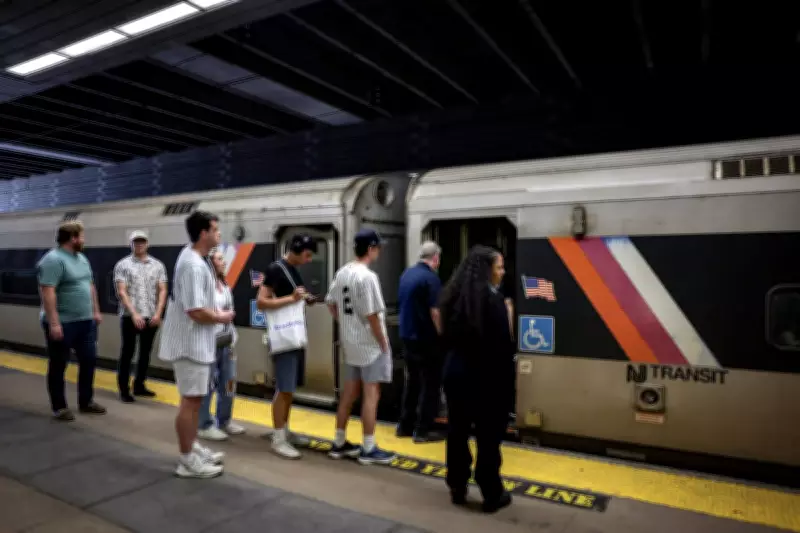
World Cup enthusiasts planning to attend matches at MetLife Stadium in New Jersey this summer have been dealt a significant financial blow, with confirmed train ticket prices soaring to unprecedented levels. A round-trip journey from New York City to the stadium will cost fans $150, equivalent to approximately £111, marking a nearly twelve-fold increase from the regular fare of $12.90, or about £9.50.
Justifications and Projections for the Price Surge
NJ Transit officials have defended the steep price hike, asserting that it is essential to recoup the substantial costs associated with hosting the tournament. They project total expenses to reach £46.2 million, with only £10.3 million covered by grants, leaving a significant shortfall that must be addressed through increased ticket prices. Approximately 40,000 fans are expected to rely on mass transit for the matches, amplifying the financial impact of these adjustments.
Political and Organizational Responses to the Controversy
New Jersey Governor Mikie Sherrill has intervened in the situation, urging FIFA to cover the transportation expenses to alleviate the burden on fans. In response, FIFA expressed surprise at the price surge, citing prior agreements that stipulated free fan transport and federal funding for host cities. This disagreement highlights the ongoing tensions between local authorities and international organizations over the financial responsibilities of hosting major sporting events.

Comparisons with Other Host Cities and Alternative Options
While other World Cup host cities, such as Los Angeles and Atlanta, plan to maintain regular transit fares, similar high prices are anticipated for matches in Boston. Fans exploring alternatives like shuttle buses and parking are also finding these options to be costly, further limiting affordable transportation choices. This disparity in pricing strategies across different locations underscores the varied approaches to managing tournament logistics and fan accessibility.
Broader Implications for Fan Experience and Event Planning
The confirmation of these exorbitant train ticket prices raises concerns about the overall fan experience and the economic barriers to attending World Cup matches. As discussions continue between state officials and FIFA, the outcome could set a precedent for how future events handle transportation funding and cost recovery. Fans are left navigating a complex landscape of expenses, with the hope for resolutions that balance financial sustainability with accessibility.