

Trump Downplays Iran Differences Ahead of Anticipated Talks
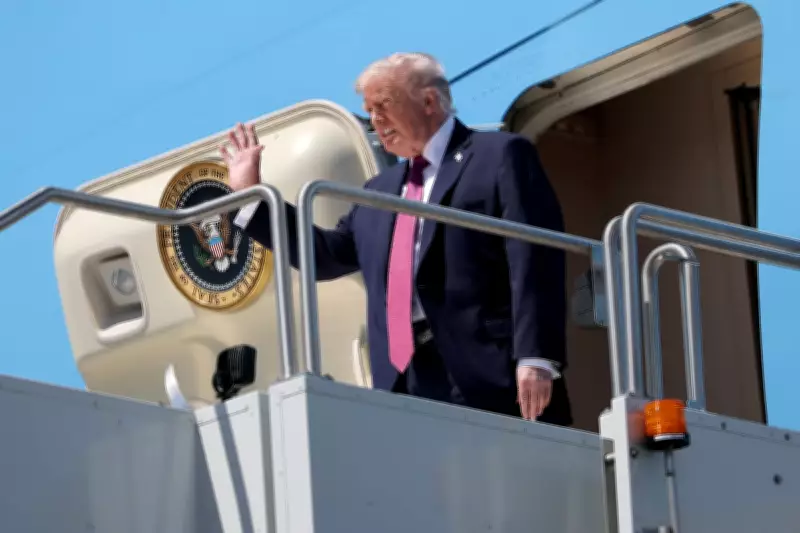
Former President Donald Trump has asserted that key issues with Iran have been largely resolved, expressing confidence that any remaining differences can be straightened out. Speaking to reporters on the tarmac in Arizona, where he arrived for a Turning Point USA rally in Phoenix, Trump addressed concerns about ongoing tensions between Tehran and Washington.
"If there are, we’ll have to straighten it out, but I don’t think there’s too many significant differences," Trump stated late on Friday, playing down the caution from a reporter who noted that differences persist ahead of anticipated talks. This comes as Iran has disputed Trump's recent claim that it is handing over a stockpile of uranium to the US, highlighting the complex backdrop to these discussions.
Mental Health Concerns Raised by Former White House Counsel
In a separate development, a former White House counsel has voiced serious concerns about Trump's mental health, suggesting that his decline has accelerated since his first term. This warning adds a layer of scrutiny to Trump's public appearances and statements, including his remarks on Iran.

The counsel's comments emerge amid a politically charged environment, as Trump engages with supporters at events like the Turning Point USA "Build the Red Wall" rally in Phoenix. This event aims to rally support among young Republicans ahead of November's primaries, with Erika Kirk also scheduled to speak.
Political Context and Young Voter Dynamics
Trump's appearance in Arizona follows closely on the heels of Vice President Vance's speech at a separate Turning Point event in Georgia. During that event, Vance acknowledged criticism from young voters regarding Trump's Middle East policy, even as he faced heckling from the crowd.
This highlights the ongoing challenges within the Republican base, particularly among younger demographics, as the party navigates foreign policy stances and internal divisions. The juxtaposition of Trump's optimistic take on Iran with Vance's more contentious reception underscores the volatile nature of current political discourse.
As the 2026 political season heats up, these developments signal a continued focus on international relations and leadership stability, with implications for both domestic politics and global diplomacy.






