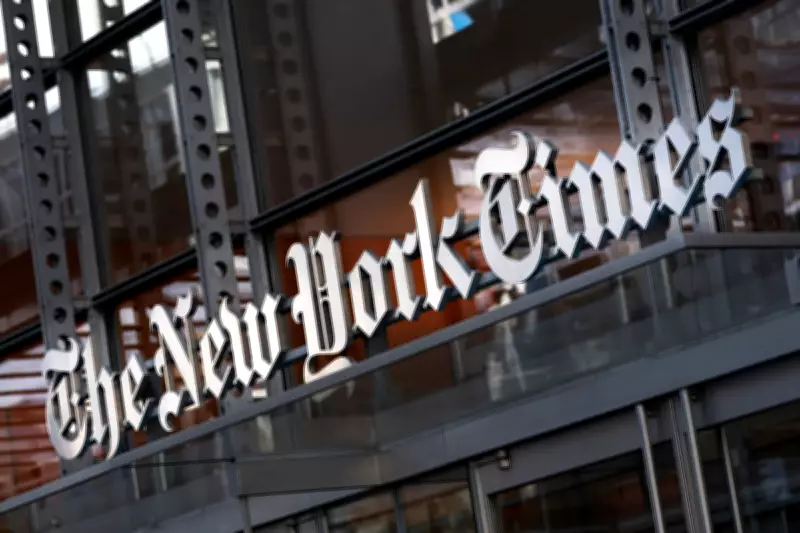
The U.S. Equal Employment Opportunity Commission (EEOC) has filed a discrimination lawsuit against the New York Times, alleging that the newspaper passed over a white male employee for a promotion in favor of a less qualified woman to fulfill its diversity objectives. The lawsuit, lodged on Tuesday, claims the Times violated Title VII of the Civil Rights Act of 1964 by considering race and gender in its hiring decisions.
Details of the Complaint
The complaint centers on a senior staff editor who applied for the role of deputy real estate editor in 2025 but was not selected. The EEOC asserts that the editor, a white man, was excluded from the final round of interviews, while three women and a Black man advanced. The woman ultimately hired allegedly lacked experience in real estate journalism, with one interviewer describing her as "a bit green overall." The EEOC contends that the Times' publicly stated goals to increase diversity in leadership influenced the decision.
New York Times Response
The New York Times has vehemently denied the allegations, calling the lawsuit politically motivated. Spokeswoman Danielle Rhoades Ha stated that the EEOC "deviated from standard practices in highly unusual ways" and that the filing "makes sweeping claims that ignore the facts to fit a predetermined narrative." She emphasized that the most qualified candidate was hired, and neither race nor gender played a role in the decision.

EEOC Chair's Stance
EEOC Chair Andrea Lucas, a Republican appointee, has been a vocal critic of corporate diversity policies that she argues discriminate against white men. In December, she urged white men to report any perceived discrimination from such policies. Lucas stated, "No one is above the law — including 'elite' institutions. There is no such thing as 'reverse discrimination;' all race or sex discrimination is equally unlawful."
Broader Context
The lawsuit references the Times' diversity initiatives, including a 2021 "Call to Action" plan aiming to increase Black and Latino leadership by 50% by 2025, a goal achieved in 2022. The EEOC notes that white employees still held 68% of leadership roles in 2024. Critics of the EEOC's actions argue that attacking diversity practices undermines efforts to address historical workplace discrimination. The agency has also launched a separate investigation into Nike's diversity policies.